

News
Home > News
-
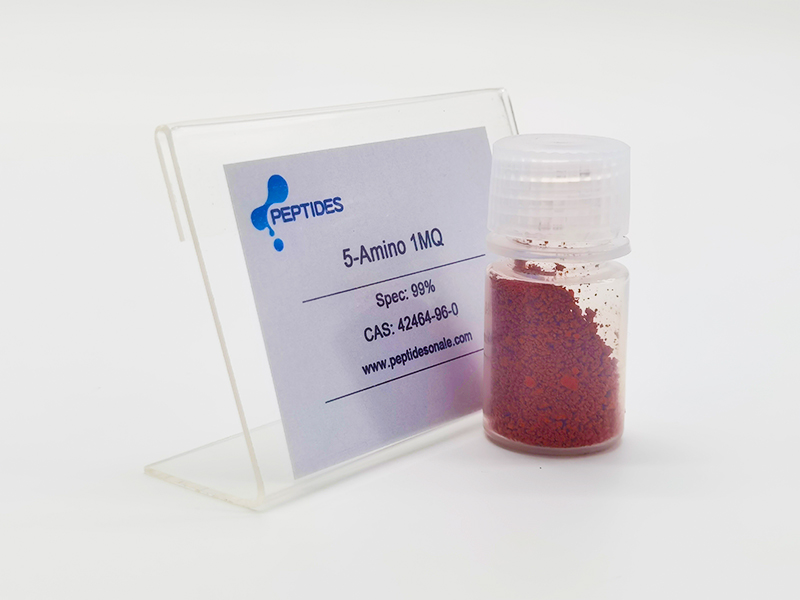
Pros and Cons of 5-Amino 1MQ
5-Amino 1MQ (5-amino-1-methylquinolinium) is a research-stage NNMT inhibitor studied for effects on metabolism and cellular energy. Its profile is based mainly on cell and animal studies, not human clinical trials. Pros of 5-Amino 1MQ 1. Strong metabolic effects in preclinical studies One of its most notable findings is fat loss without strong appetite suppression, suggesting a metabolic mechanism rather than a hormonal one. 2. Increased energy expenditure 3. NAD⁺ pathway support (indirect) By inhibiting Nicotinamide N-methyltransferase: 4. Improved metabolic health markers (preclinical) Animal studies suggest: 5. Small-molecule advantages Compared with peptides or biologics: 6. Useful research tool Cons of 5-Amino 1MQ…
-

Uses of 5-Amino 1MQ
5-Amino 1MQ (5-amino-1-methylquinolinium) is a research-only small molecule studied for its ability to inhibit Nicotinamide N-methyltransferase, a metabolic enzyme involved in energy balance, fat storage, and NAD⁺ metabolism. It has no approved medical uses in humans, and its applications are currently limited to laboratory and preclinical research. 1. Primary Research Use: Metabolic Studies The main use of 5-Amino 1MQ is to study how NNMT affects metabolism. Researchers use it to: 2. Obesity and Body Fat Research One of the most common experimental uses is in obesity models. In animal studies, it is used to evaluate: This helps researchers understand metabolic…
-

Benefits of 5-Amino 1MQ
5-Amino 1MQ is an experimental NNMT (nicotinamide N-methyltransferase) inhibitor. Most of its reported benefits come from cell and animal studies, with very limited human clinical evidence available so far. 1. Reduced Body Fat The most studied benefit is fat loss. Research in obese mice found that inhibiting NNMT with 5-Amino 1MQ reduced fat mass and fat-cell size without reducing food intake, suggesting the effect is metabolic rather than appetite-driven. Potential effects: Possible reduction in visceral fat accumulation 2. Increased Energy Expenditure NNMT inhibition appears to shift fat cells from “energy storage” toward “energy burning.” Potential benefits include: 3. Higher NAD⁺…
-

Basic Information of 5-Amino 1MQ
5-Amino 1MQ (5-amino-1-methylquinolinium) is a synthetic small-molecule research compound studied for its effects on metabolism through inhibition of the enzyme Nicotinamide N-methyltransferase (NNMT). 1. Identification Common name: 5-Amino 1MQ Full chemical name: 5-amino-1-methylquinolinium Chemical class: Quinolinium-based small molecule Type: Experimental metabolic research compound Target enzyme: NNMT (Nicotinamide N-methyltransferase) 2. Chemical Information Molecular formula (cation): C₁₀H₁₁N₂⁺ Typical salt form: iodide or chloride Molecular weight: Structure: Aromatic quinoline ring with: 3. Physical Properties Appearance: Off-white to light yellow powder Solubility: Highly soluble in water Polarity: High (due to permanent positive charge) Stability: Chemically stable under normal storage conditions Lipophilicity: Moderate (balances aromatic ring + charged…
-

Application of 5-Amino 1MQ
5-Amino 1MQ is primarily a research compound being investigated for its ability to inhibit the enzyme Nicotinamide N-methyltransferase (NNMT). Its potential applications are centered around metabolism, obesity, and cellular energy regulation. Most evidence comes from laboratory and animal studies rather than human clinical trials. 1. Obesity and Weight Management Research The most extensively studied application is the treatment of obesity and excess fat accumulation. Researchers have investigated 5-Amino 1MQ for its ability to: Animal studies have shown reductions in body weight and fat mass through metabolic effects rather than appetite suppression. 2. Metabolic Syndrome Research 5-Amino 1MQ is being explored…
-

Efficacy and functions of 5-Amino 1MQ
5-Amino 1MQ is a research-stage small molecule that inhibits the enzyme Nicotinamide N-methyltransferase, which regulates both fat metabolism and NAD⁺ energy pathways. Its efficacy profile is based almost entirely on cell and animal studies, not human clinical trials. 1. Core Biological Function (What it does) 5-Amino 1MQ works by blocking NNMT activity. Normally, NNMT: When NNMT is inhibited: In simple terms: it helps cells preserve and reuse energy-building resources instead of wasting them. 2. Metabolic Efficacy (Fat loss & energy) Strongest observed effects (animal studies) In obese rodent models, NNMT inhibition has been associated with: No major increase in appetite…
-
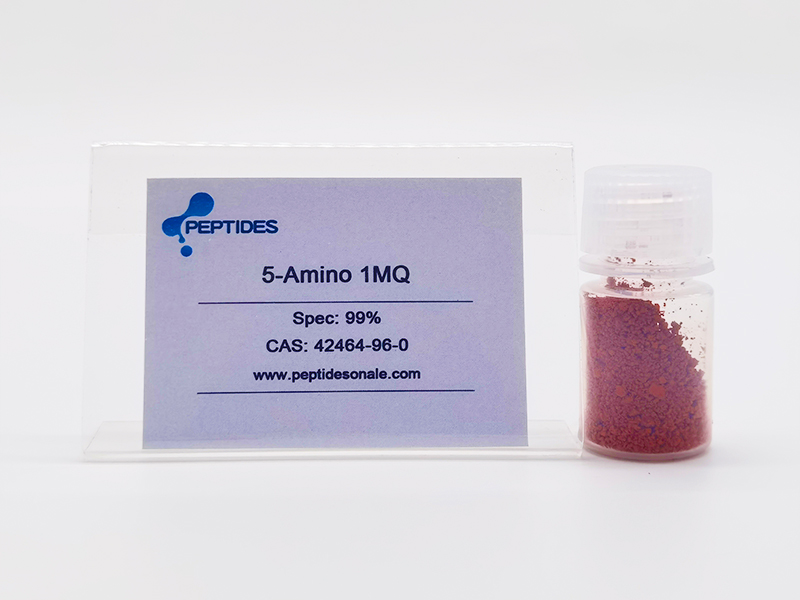
Origin, Properties, and Introduction of 5-Amino 1MQ
5-Amino 1MQ (5-amino-1-methylquinolinium) is a synthetic small-molecule research compound developed as a selective inhibitor of the metabolic enzyme Nicotinamide N-methyltransferase (NNMT). It is widely studied in metabolic biology, obesity research, and NAD⁺ regulation. Origin of 5-Amino 1MQ 1. Academic development 5-Amino 1MQ was developed through medicinal chemistry research aimed at understanding why NNMT is elevated in obesity and metabolic disease. Key origin points: 2. Why it was created Researchers were investigating NNMT because: 5-Amino 1MQ was designed to: 3. Timeline of discovery Chemical and Physical Properties Chemical identity Molecular characteristics Molecular weight: Structure type: Aromatic heterocycle with: Physical properties Appearance…
-
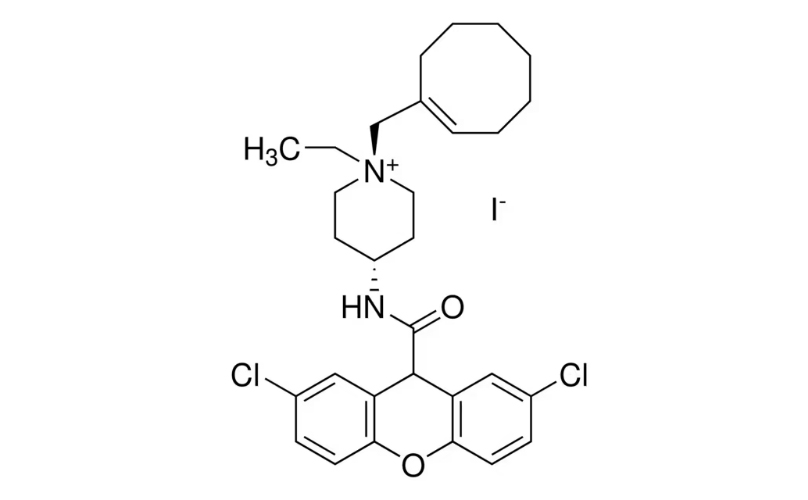
Chemical Structure and Physical Properties of 5-Amino 1MQ
5-Amino 1MQ (5-amino-1-methylquinolinium) is a small-molecule quaternary quinolinium compound (not a peptide) that functions as a selective inhibitor of the enzyme NNMT. Its structure is based on a methylated quinoline ring with an amino substitution. 1. Chemical Identity 2. Structural Features 5-Amino 1MQ has three key structural components: (1) Quinoline core (2) Quaternary nitrogen (N⁺-methyl group) (3) 5-position amino group (-NH₂) 3. Structural Representation (text form) A simplified structural description: 4. Molecular Weight Depending on form: 5. Physical Properties (1)Appearance (2)Solubility (3)Charge / Ionization (4)Stability (5)Lipophilicity 6. Functional Structure–Activity Relationship (SAR) Its structure is tightly linked to its biological activity:…
-

What is 5-Amino 1MQ?
5-Amino 1MQ (5-Amino-1-Methylquinolinium) is a small-molecule compound being investigated as a potential metabolic and anti-obesity agent. It is primarily known for its ability to inhibit the enzyme Nicotinamide N-methyltransferase (NNMT), which plays a role in cellular energy metabolism, fat storage, and methylation pathways. Overview Mechanism of Action NNMT converts nicotinamide (a form of vitamin B3) into 1-methylnicotinamide using methyl groups from S-adenosylmethionine (SAM). When 5-Amino 1MQ inhibits NNMT: 1. Nicotinamide levels increase 2. NAD⁺ production may increase 3. Fat storage may decrease 4. Energy expenditure may increase Potential Benefits Under Investigation 1. Weight Loss and Fat Reduction Animal studies have…
-
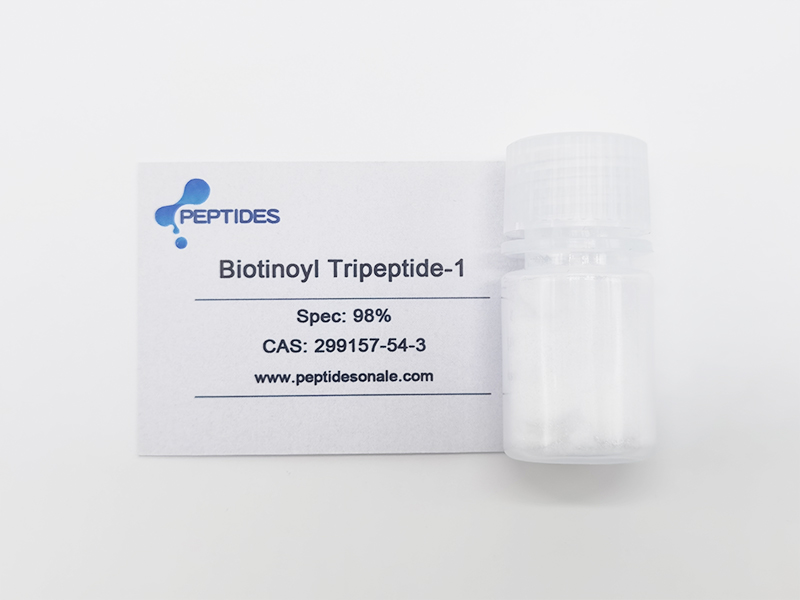
Materials and Methods of Biotinoyl Tripeptide-1
Biotinoyl Tripeptide-1 is a synthetic peptide compound widely used in cosmetic and hair care products. It is designed to improve the appearance and health of hair and skin. Chemically, it is composed of a tripeptide (three amino acids linked together) attached to biotin, which helps with targeting hair follicles and skin cells. Here’s a detailed overview of the materials and methods typically used in studies or applications involving Biotinoyl Tripeptide-1, focusing on its effects in hair and skin care research. Materials of Biotinoyl Tripeptide-1 1. Active Compound 2. Solvents & Buffers 3. Cell Lines 4. Culture Media 5. Reagents for Assays 6.…
-
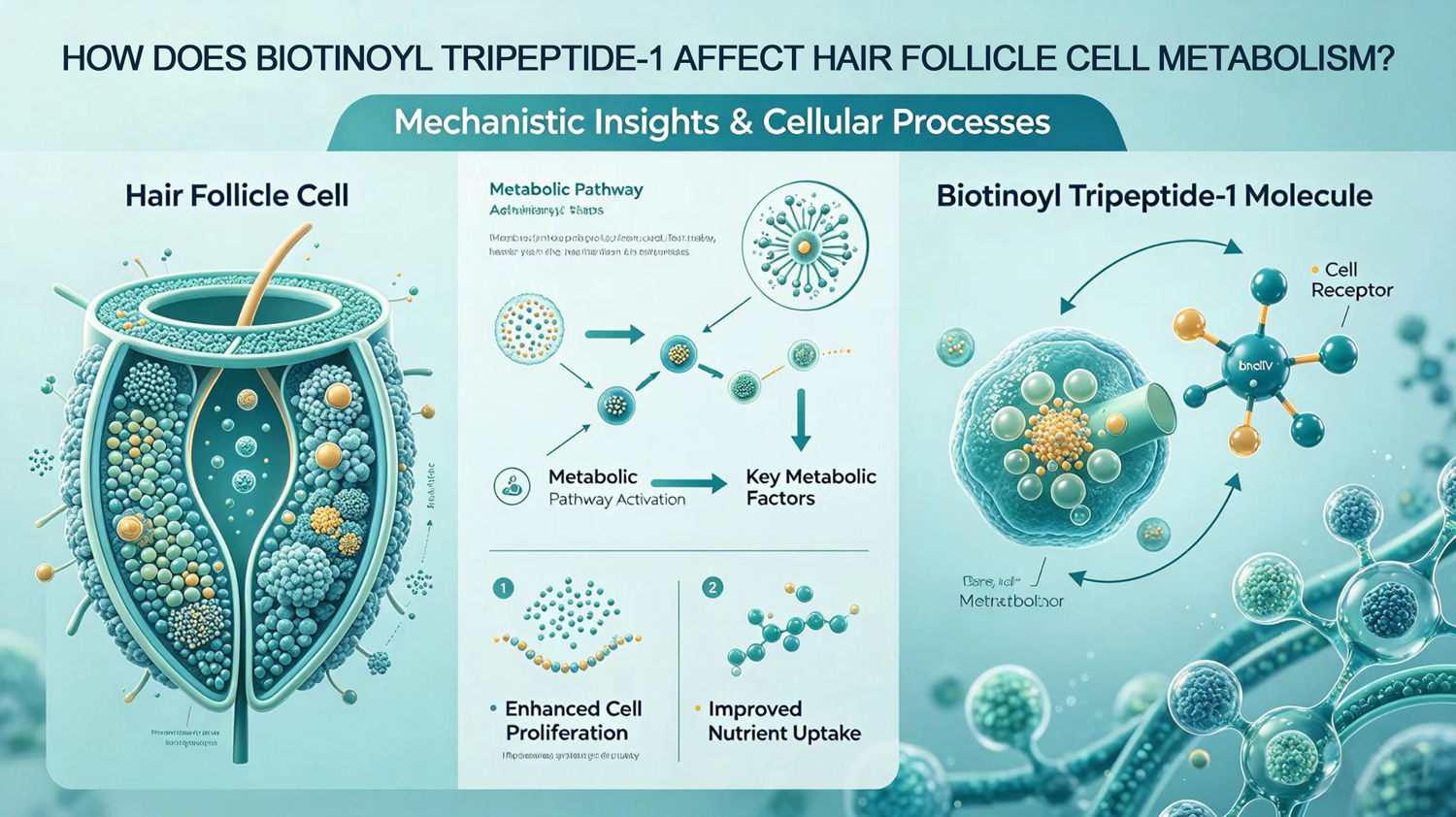
How does Biotinoyl Tripeptide-1 affect hair follicle cell metabolism?
Biotinoyl Tripeptide-1 (also called biotinyl-GHK) is a peptide used in many topical hair-care formulations because it appears to modulate hair follicle cell behavior at the molecular and metabolic level. Research is still largely preliminary (mostly in vitro and ex-vivo), but the mechanisms studied so far relate directly to hair follicle cell metabolism and function rather than just cosmetic coating of hair fibers. Here’s how it’s thought to affect follicle cells: 1. Stimulates Follicle Cell Proliferation and Metabolism Biotinoyl Tripeptide-1 has been shown in cultured human hair follicles to increase proliferation of follicular keratinocytes and dermal papilla cells, which are the…
-

Efficacy and Functions of Biotinoyl Tripeptide-1
Biotinoyl Tripeptide-1 is a bioactive cosmetic peptide (biotin + GHK tripeptide) widely used in hair care and lash/skin formulations. Its efficacy and functions are mainly centered on hair growth promotion, anti-hair loss activity, and follicle strengthening, supported by multiple biological mechanisms. 1. Core Efficacy (What it does) 1.1 Promotes Hair Growth Result: Faster, thicker, and longer hair growth 1.2 Reduces Hair Loss (Anti-shedding) Result: Less hair fall and improved retention 1.3 Increases Hair Density and Thickness Clinical studies show: Result: Fuller, more voluminous hair 1.4 Improves Hair Quality Result: Stronger, less brittle hair 2. Biological Functions (How it works) 2.1 Hair Follicle…