

News
Home > News
-
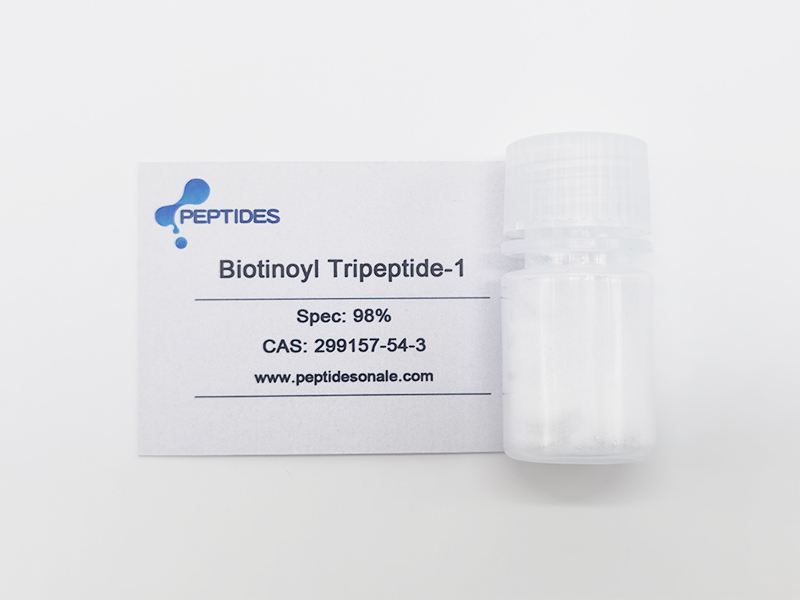
Basic Information of Biotinoyl Tripeptide-1
Biotinoyl Tripeptide-1 is a cosmetic ingredient widely used in hair and lash care formulations. Here’s a clear, structured overview of its basic information: 1. What It Is This hybrid design allows it to deliver both biological signaling (from the peptide) and nutritional support (from biotin). 2. Mechanism of Action Biotinoyl Tripeptide-1 works through multiple pathways: (1)Hair anchoring support: (2)Keratin production stimulation: (3)Microcirculation improvement: (4)Anti-hair loss signaling: 3. Applications of Biotinoyl Tripeptide-1 4. Benefits of Biotinoyl Tripeptide-1 5. Related Complex Often used as part of Procapil, which also includes: This combination targets hair loss from multiple angles (hormonal, vascular, and structural). 6. Safety…
-
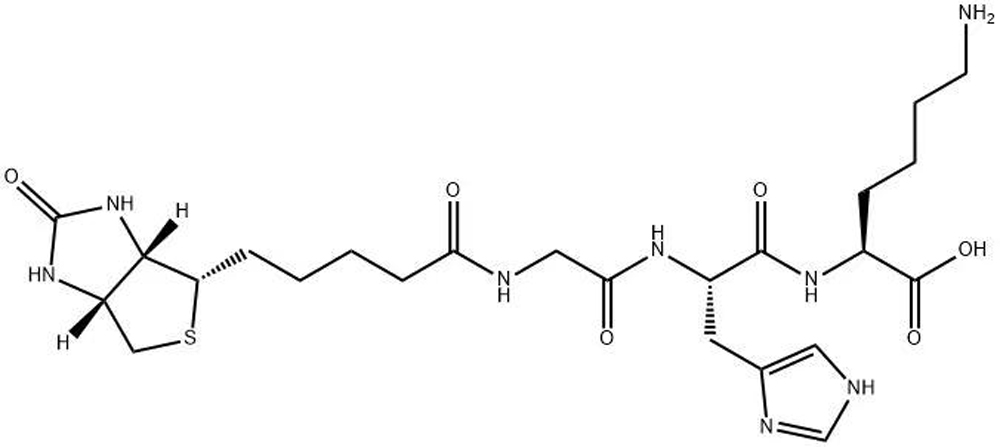
Chemical Structure and Physical Properties of Biotinoyl Tripeptide-1
Biotinoyl Tripeptide-1 is a synthetic peptide widely used in hair and lash care formulations. It combines a vitamin moiety with a short peptide chain to enhance biological activity and stability. Chemical Structure of Biotinoyl Tripeptide-1 Basic Composition Biotinoyl Tripeptide-1 is composed of: Biotin (Vitamin B7) – a lipophilic vitamin Tripeptide-1 sequence – typically: Full structure: Biotin–Gly–His–Lys (Biotinyl-GHK) Structural Features Peptide bonds link the three amino acids (–CO–NH–) Amide linkage connects biotin to the N-terminus of the peptide Contains: Molecular Information Physical Properties of Biotinoyl Tripeptide-1 Appearance Solubility Water-soluble (due to peptide portion) Slight amphiphilic character: This dual nature improves skin and follicle penetration…
-
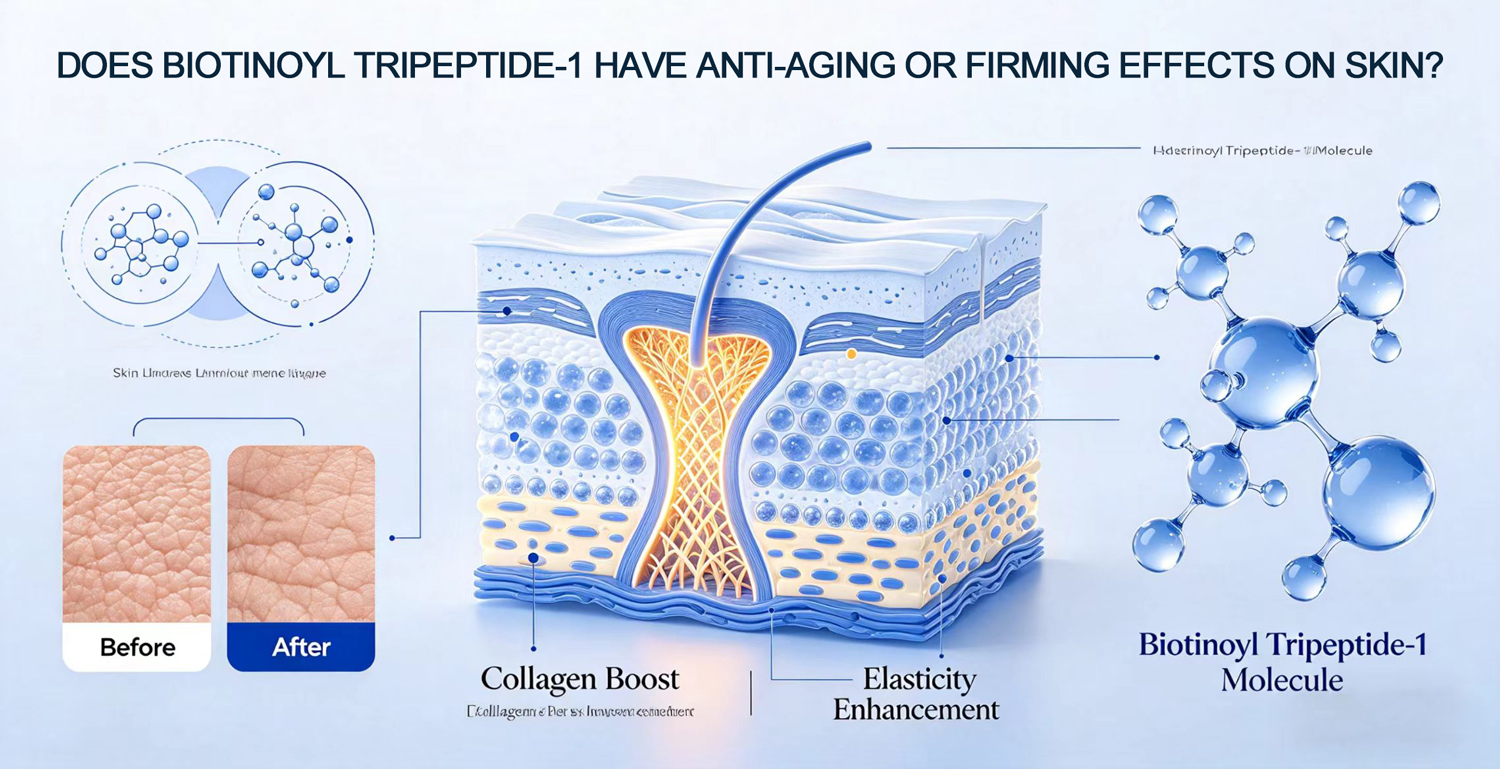
Does Biotinoyl Tripeptide-1 have Anti-Aging or Firming effects on skin?
Biotinoyl Tripeptide-1 is a synthetic peptide cosmetic ingredient made by linking biotin (vitamin B7) to a short peptide (GHK). It’s most commonly included in hair and lash products for strengthening hair and encouraging growth, and is marketed in some skincare formulas as well. What Biotinoyl Tripeptide-1 Is Biotinoyl Tripeptide-1 (also called Biotinyl-GHK or Biotin-GHK) is a synthetic peptide created by linking biotin (vitamin B7) to a short peptide called GHK (glycyl-histidyl-lysine). This design is intended to combine the potential cellular signaling of GHK with the keratin‑supporting effects of biotin. Anti-Aging Claims What the Evidence Really Supports Practical Takeaway May contribute to healthy skin signaling pathways: The…
-
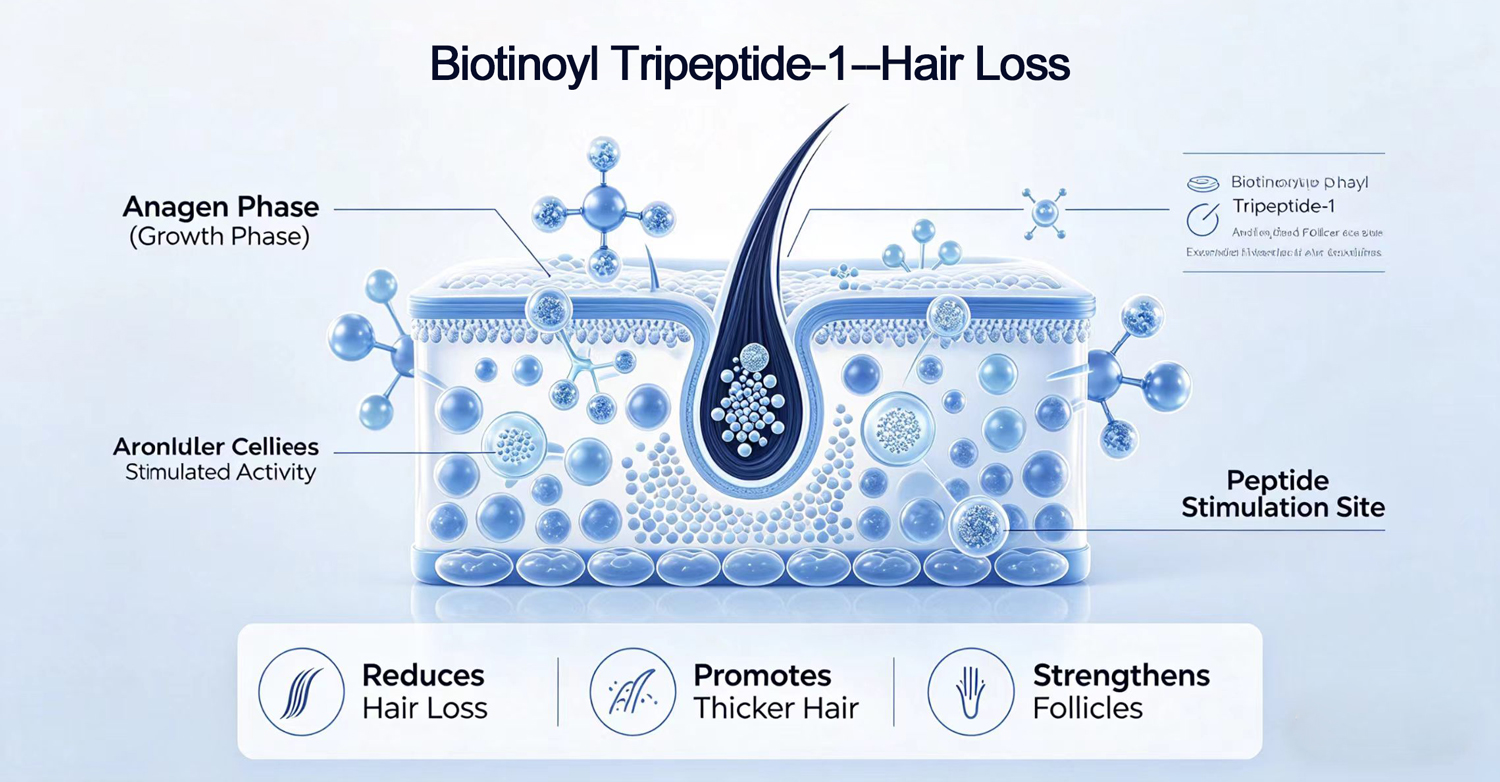
Biotinoyl Tripeptide-1–Hair Loss
Biotinoyl Tripeptide-1 is a synthetic peptide (biotin + 3 amino acids) widely used in topical hair serums to help reduce hair loss and improve hair density. Here’s a clear, evidence-based breakdown of how it works and how effective it really is. How it Works (Mechanism) Biotinoyl Tripeptide-1 targets the hair follicle environment, especially the dermal papilla cells that regulate hair growth: 1. Strengthens Hair Anchoring Result: Less shedding 2. Stimulates Keratin Production Result: Thicker, stronger hair shafts 3. Extends Growth Phase (Anagen) Result: More hairs actively growing at any time 4. May Reduce DHT Effects Result: Potential benefit for androgen-related…
-

Effectiveness, Side Effects, and Special Precautions of Biotinoyl Tripeptide-1
Biotinoyl Tripeptide-1 is a synthetic cosmetic peptide widely used in hair and lash care formulations. Here’s a comprehensive, evidence-based overview of Biotinoyl Tripeptide-1 (Biotin-GHK) covering effectiveness, side effects, and precautions: Effectiveness of Biotinoyl Tripeptide-1 1. Hair growth & anti–hair loss → In vitro studies show ~140–148% increase in cell proliferation at optimal concentrations 2. DHT-related hair loss modulation → Mechanism similar (in vitro) to minoxidil in some studies 3. Hair strengthening 4. Eyelashes & eyebrows 5. Skin benefits (secondary) 6. Limitations Side Effects of Biotinoyl Tripeptide-1 Overall, it has a very good safety profile, especially in topical use. Common (mild, rare) Less common Frequency Safety characteristics…
-
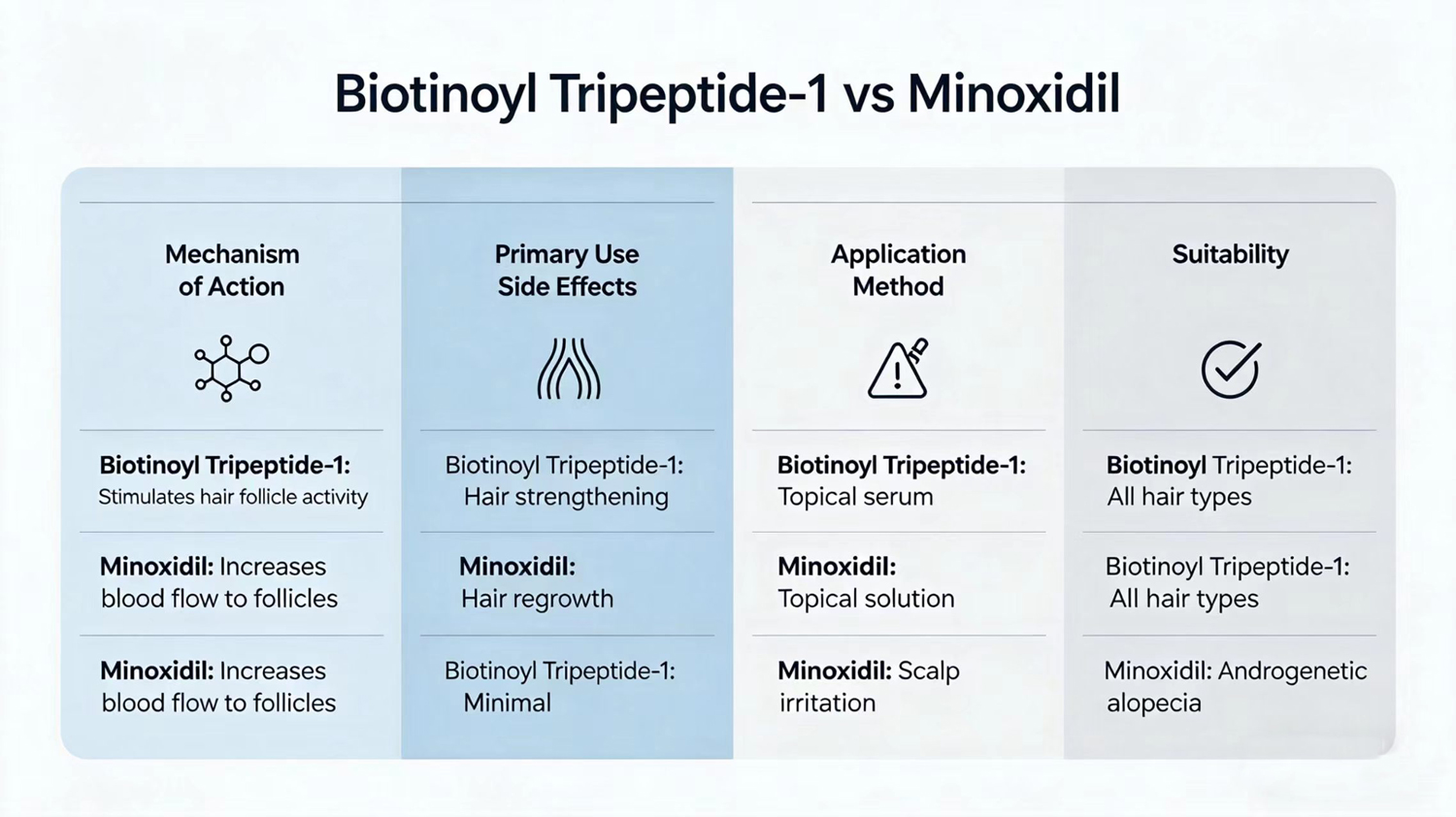
Biotinoyl Tripeptide-1 VS Minoxidil
Biotinoyl Tripeptide-1 is a synthetic bioactive peptide formed by conjugating biotin (vitamin B7) with the tripeptide sequence Gly-His-Lys (GHK). Here’s a clear, evidence-based comparison of Biotinoyl Tripeptide-1 vs Minoxidil for hair loss: 1. Mechanism of Action Biotinoyl Tripeptide-1 Peptide derived from biotin + GHK Works by: Focus: reduce hair loss + improve hair quality Minoxidil FDA-approved drug Works by: Focus: stimulate regrowth 2. Effectiveness (What studies show) Biotinoyl Tripeptide-1 ~35% increase in hair density, ~58% reduction in hair loss (3 months) Improvements in thickness, strength, and reduced shedding Some studies show comparable results to 3% minoxidil in certain formulations BUT: Minoxidil Strong clinical evidence: Works in both…
-
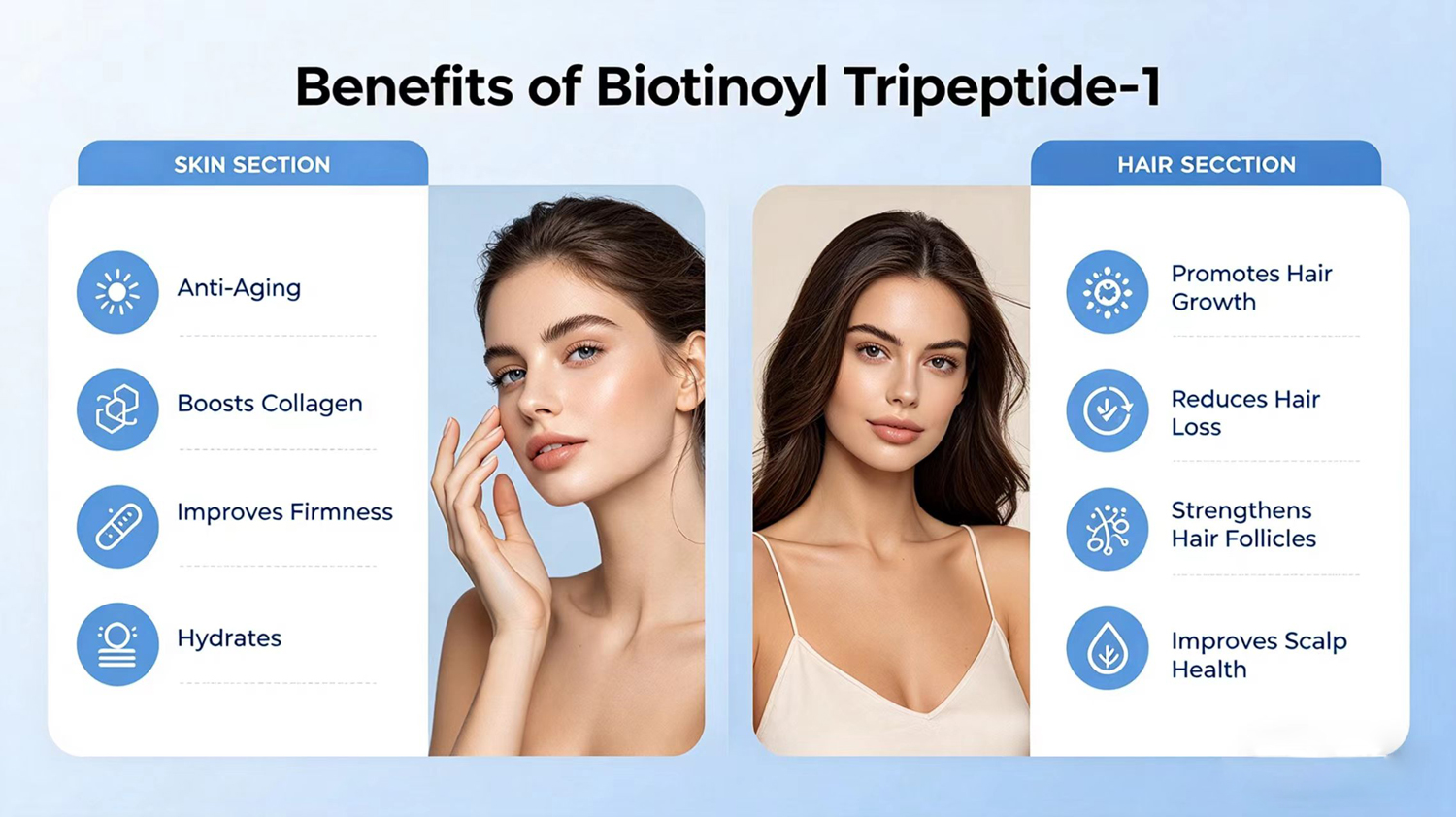
Benefits of Biotinoyl Tripeptide-1
Biotinoyl Tripeptide-1 is a cosmetic peptide widely used in hair and lash care formulations. It combines biotin (vitamin B7) with a short peptide chain, giving it both nutritional and signaling functions. Here are its main benefits: 1. Promotes Hair Growth 2. Strengthens Hair Structure 3. Reduces Hair Loss 4. Improves Scalp Health 5. Enhances Eyelash & Eyebrow Growth 6. Anti-Aging Effects on Hair Follicles 7. Synergistic Effects in Formulations Often combined with ingredients like: Enhances overall efficacy of hair and scalp treatments Summary Biotinoyl Tripeptide-1 is a multifunctional ingredient that: If you want, I can also compare it with other…
-

Mechanism of Biotinoyl Tripeptide-1
Biotinoyl Tripeptide-1 is a synthetic peptide conjugated with biotin, widely used in hair care (especially anti-hair-loss serums). Its mechanism is multi-targeted, acting at the follicular, extracellular matrix, and microcirculation levels. 1. Follicle Anchoring & ECM Reinforcement One of its primary actions is strengthening the hair anchoring system. Stimulates synthesis of key extracellular matrix (ECM) proteins: These proteins are critical in the dermal–epidermal junction (DEJ) and hair follicle basement membrane. Result: 2. Stimulation of Keratinocyte Activity Biotinoyl Tripeptide-1 promotes proliferation and differentiation of keratinocytes in the hair bulb. Result: 3. Modulation of Gene Expression It influences genes involved in: Some studies…
-
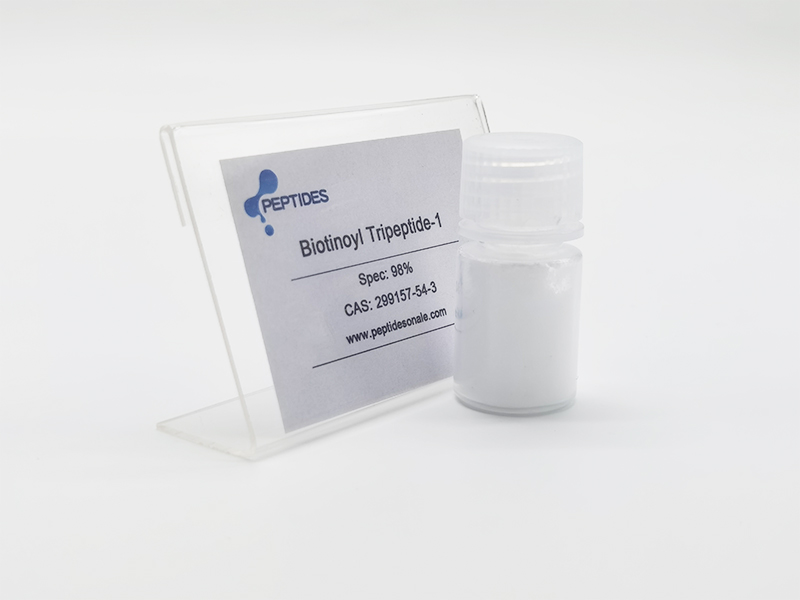
Comprehensive Study of Biotinoyl Tripeptide-1
Biotinoyl Tripeptide-1 (also called Biotinyl-GHK) is a synthetic peptide—a short chain of three amino acids—conjugated with biotin (vitamin B7). Here’s a comprehensive, science-oriented study guide to Biotinoyl Tripeptide-1 (also known in the literature as Biotinyl-GHK) covering its chemistry, mechanisms of action, biological effects, current research evidence, and safety profile. What Is Biotinoyl Tripeptide-1? Biotinoyl Tripeptide-1 is a synthetic bioactive peptide formed by conjugating biotin (vitamin B7) with the tripeptide sequence Gly‑His‑Lys (GHK). Its chemical formula is approximately C₂₄H₃₈N₈O₆S and molecular weight ~566.7 g/mol. The peptide is usually water‑soluble and stable in formulation pH 4–7. Proposed Mechanisms of Action ➤ Cellular Proliferation & Hair Follicle Activation…
-

Can Biotinoyl Tripeptide-1 promote collagen synthesis?
Biotinoyl Tripeptide-1 can promote collagen synthesis, though its effect is indirect and more nuanced compared to classic collagen stimulators like retinoids or vitamin C. Here’s a detailed breakdown: 1. Mechanism of Action: 2. Hair Follicle and Skin Effects: 3. Supporting Evidence: 4. Limitations: Summary Biotinoyl Tripeptide-1 supports collagen synthesis mainly by stimulating dermal fibroblasts, which strengthens hair follicles and dermal structure, but its effect is generally supportive rather than a primary collagen booster. Basic Ingredient of Biotinoyl Tripeptide-1 The basic ingredients of Biotinoyl Tripeptide-1 are derived from two main components: When combined, biotin is covalently attached to the tripeptide, forming…
-
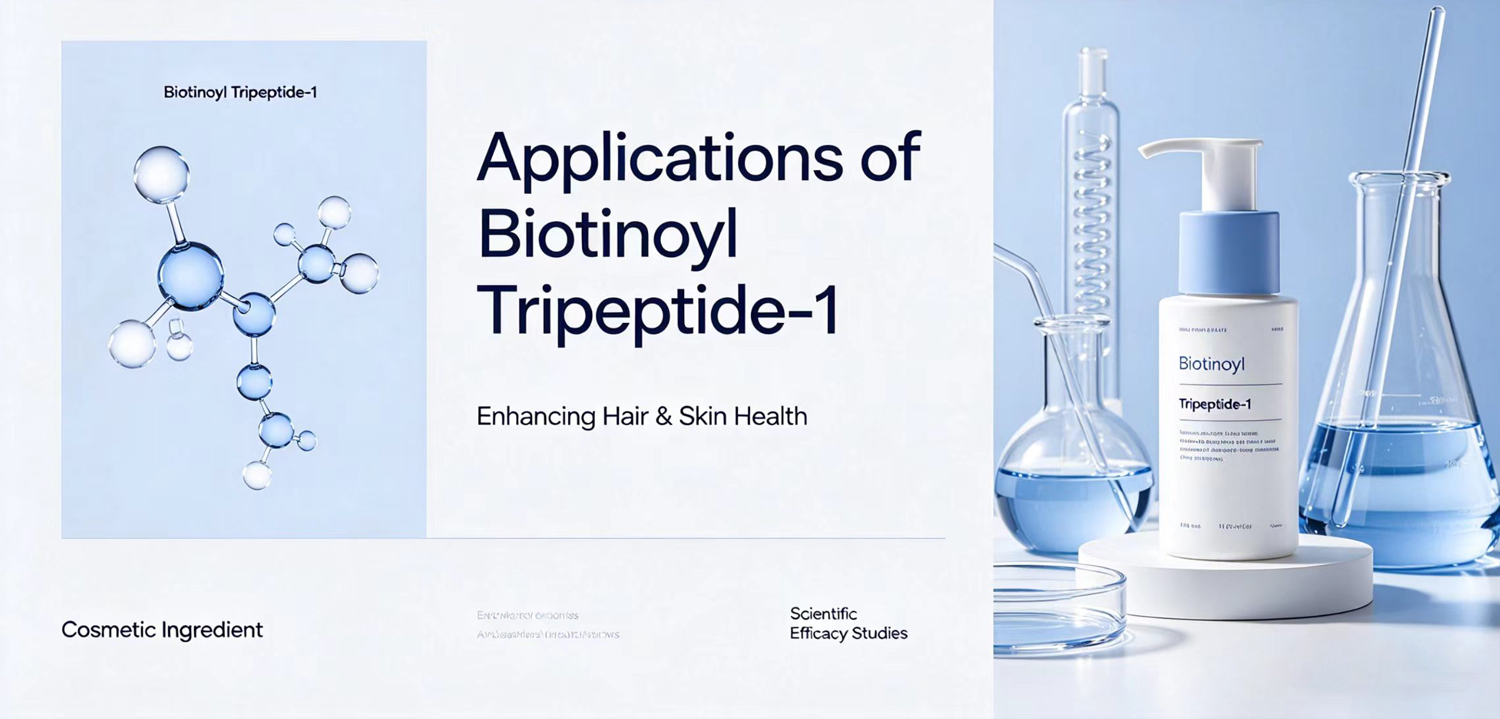
Applications of Biotinoyl Tripeptide-1
Biotinoyl Tripeptide-1 is a synthetic peptide commonly used in cosmetic and dermatological formulations, especially for hair and lash enhancement. Its applications are primarily centered around improving hair strength, growth, and overall follicle health. Main Applications of Biotinoyl Tripeptide-1 1. Hair Growth and Anti-Hair Loss Products Common in: 2. Eyelash and Eyebrow Enhancement Found in: 3. Strengthening Hair Structure 4. Scalp Health Improvement 5. Anti-Aging Hair Care 6. Cosmetic and Dermatological Formulations Incorporated into advanced cosmeceuticals Often combined with other actives like: Mechanistic Application Insight Biotinoyl Tripeptide-1 works by: Summary Biotinoyl Tripeptide-1 is mainly applied in: If you want, I can…
-
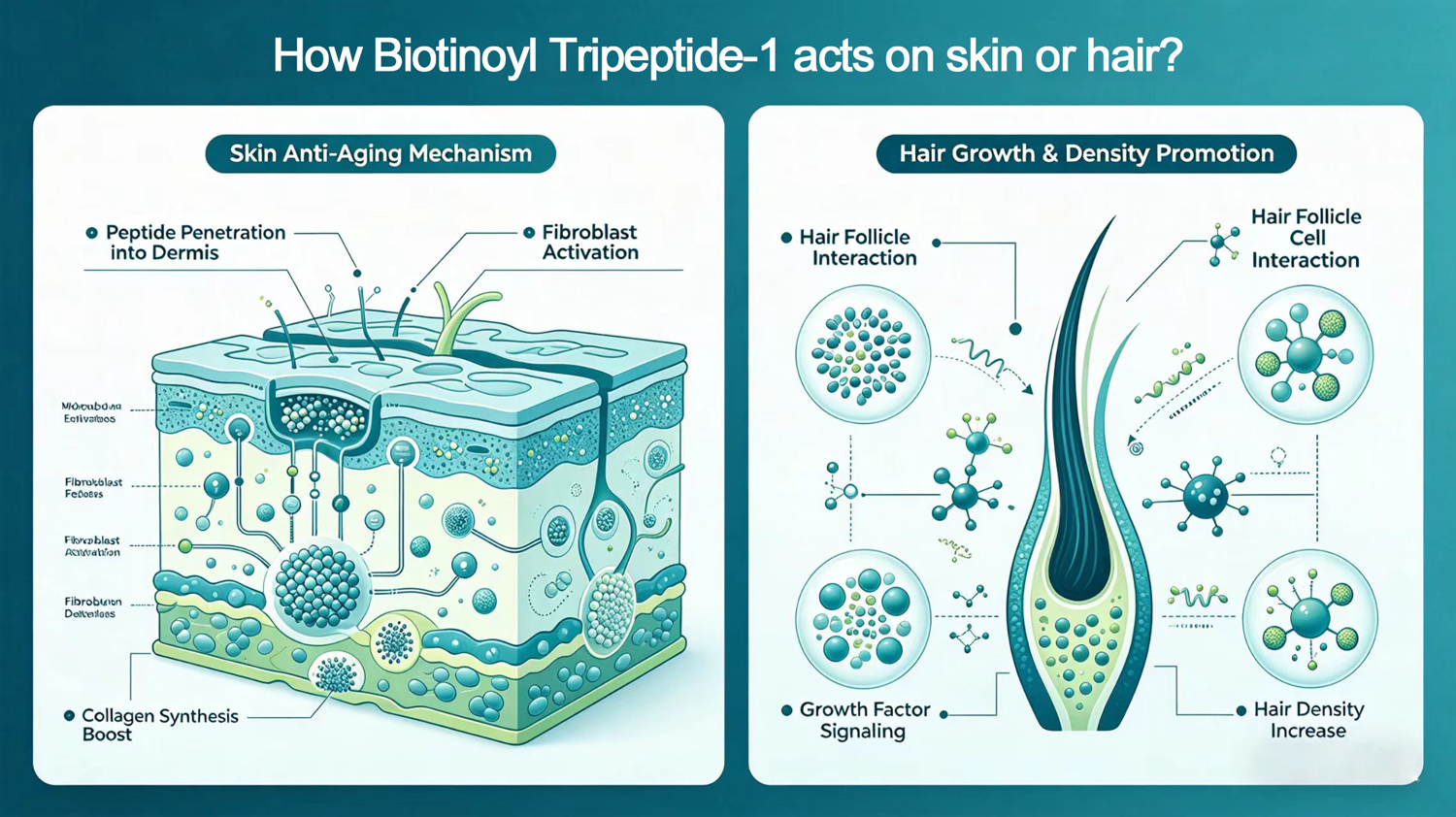
How Biotinoyl Tripeptide-1 acts on skin or hair?
Biotinoyl Tripeptide-1 is a synthetic peptide often used in cosmetic and dermatological formulations. Its effects on skin and hair are mainly mediated through its ability to stimulate cellular activity and support structural proteins. Here’s a detailed breakdown: 1. Mechanism on Hair Result: Stronger, thicker, and healthier hair with reduced hair loss. 2. Mechanism on Skin Result: Firmer, smoother skin with reduced appearance of fine lines and improved overall texture. 3. Cellular Pathways Some studies suggest it works through: In short, Biotinoyl Tripeptide-1 acts as a signal booster for structural proteins in both hair and skin, improving strength, anchoring, and regeneration. It’s often used…