

News
Home > News
-
Chemical Structure and Physical Properties of Acetyl Hexapeptide-1
Acetyl Hexapeptide-1 is a synthetic acetylated hexapeptide (6 amino acids) used in cosmetic formulations for skin tone regulation and anti-aging support. It is designed as a biomimetic signaling molecule, not a drug. 1. Chemical Structure 1.1 Basic structural identity 1.2 Structural characteristics Linear peptide chain N-terminal acetyl group (Ac-) C-terminal carboxyl group (-COOH) 1.3 Functional structural implications 2.1 Appearance 2.2 Solubility 2.3 Stability Acetyl Hexapeptide-1 is moderately stable under cosmetic conditions: Stable under: Unstable under: 2.4 Molecular behavior in skin Limited passive penetration through skin barrier Primarily active in: Requires delivery systems (liposomes, nano-carriers) for improved bioavailability 2.5 Storage properties…
-
Efficacy and Functions of Acetyl Decapeptide-3
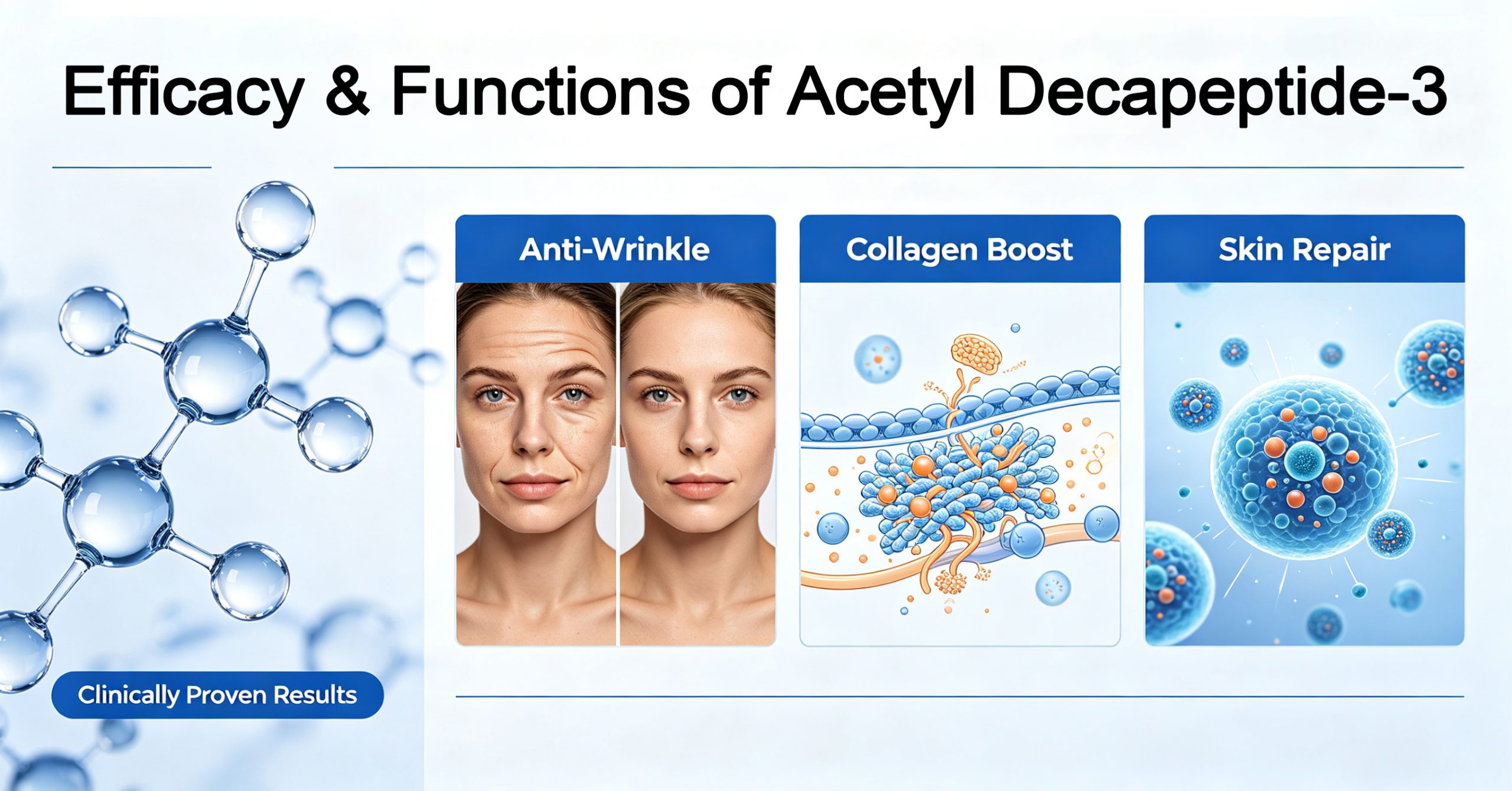
Acetyl Decapeptide-3 is a cosmetic biomimetic peptide mainly used in anti-aging and skin-repair formulations. Its efficacy and functions are best understood in the context of laboratory, cosmetic, and limited clinical-use data (not large-scale drug trials). Functions of Acetyl Decapeptide-3 1. Stimulation of dermal matrix activity It is designed to signal skin cells (especially fibroblasts) to increase production of key structural components such as: This supports skin firmness and structural integrity over time. 2. Skin regeneration support It is associated with enhanced cellular activity in the dermis, which may: 3. Anti-wrinkle activity Its main cosmetic role is reducing visible signs of…
-
Comprehensive Study of Acetyl Decapeptide-3
Acetyl Decapeptide-3 is a synthetic cosmetic biomimetic peptide belonging to the broader family of signal peptides used in anti-aging skincare formulations. It is typically marketed under trade or INCI naming conventions and is included in topical serums and creams aimed at improving skin structure and appearance. It is not a drug, but a cosmetic active ingredient. 1. Chemical Identity Core structural class Key structural features 2. Physicochemical Properties Appearance Solubility Stability Moderately stable under cosmetic conditions Degrades under: Acetylation improves resistance to enzymatic breakdown compared to unmodified peptides 3. Mechanism of Action (Proposed) Available evidence suggests multiple cosmetic signaling pathways,…
-
Uses of Acetyl Decapeptide-3
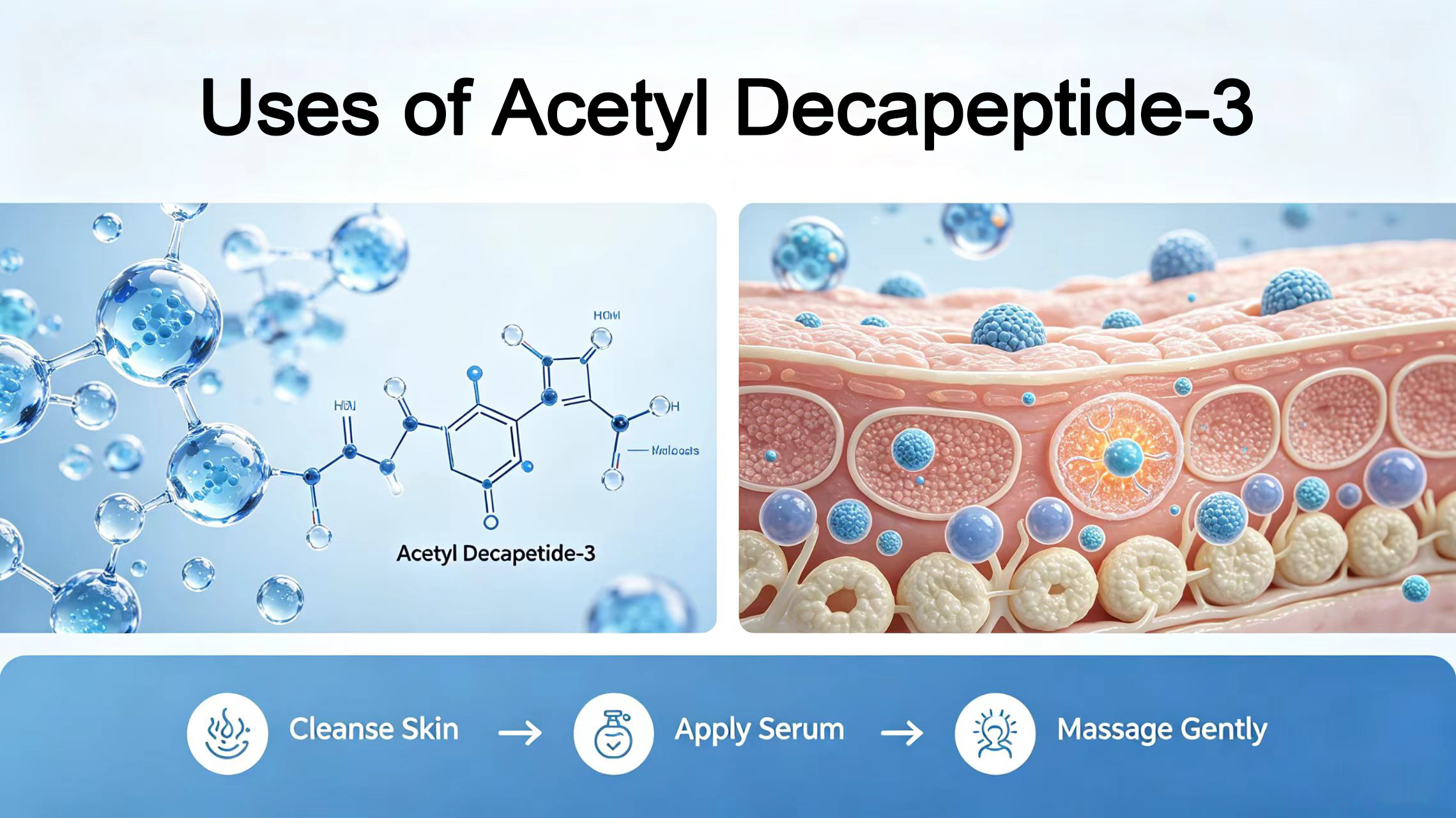
Acetyl Decapeptide-3 is used primarily as a cosmetic active ingredient in skincare formulations aimed at improving skin appearance, structure, and signs of aging. It is not used as a drug or medical treatment, but as a functional peptide in topical products. Uses of Acetyl Decapeptide-3 1. Anti-aging skincare Its most common use is in anti-wrinkle and anti-aging products, where it is included to help: It is typically found in: 2. Skin firming and elasticity improvement It is used to help support the skin’s structural proteins by influencing fibroblast activity, which may: 3. Skin repair and rejuvenation formulas In regenerative or…
-
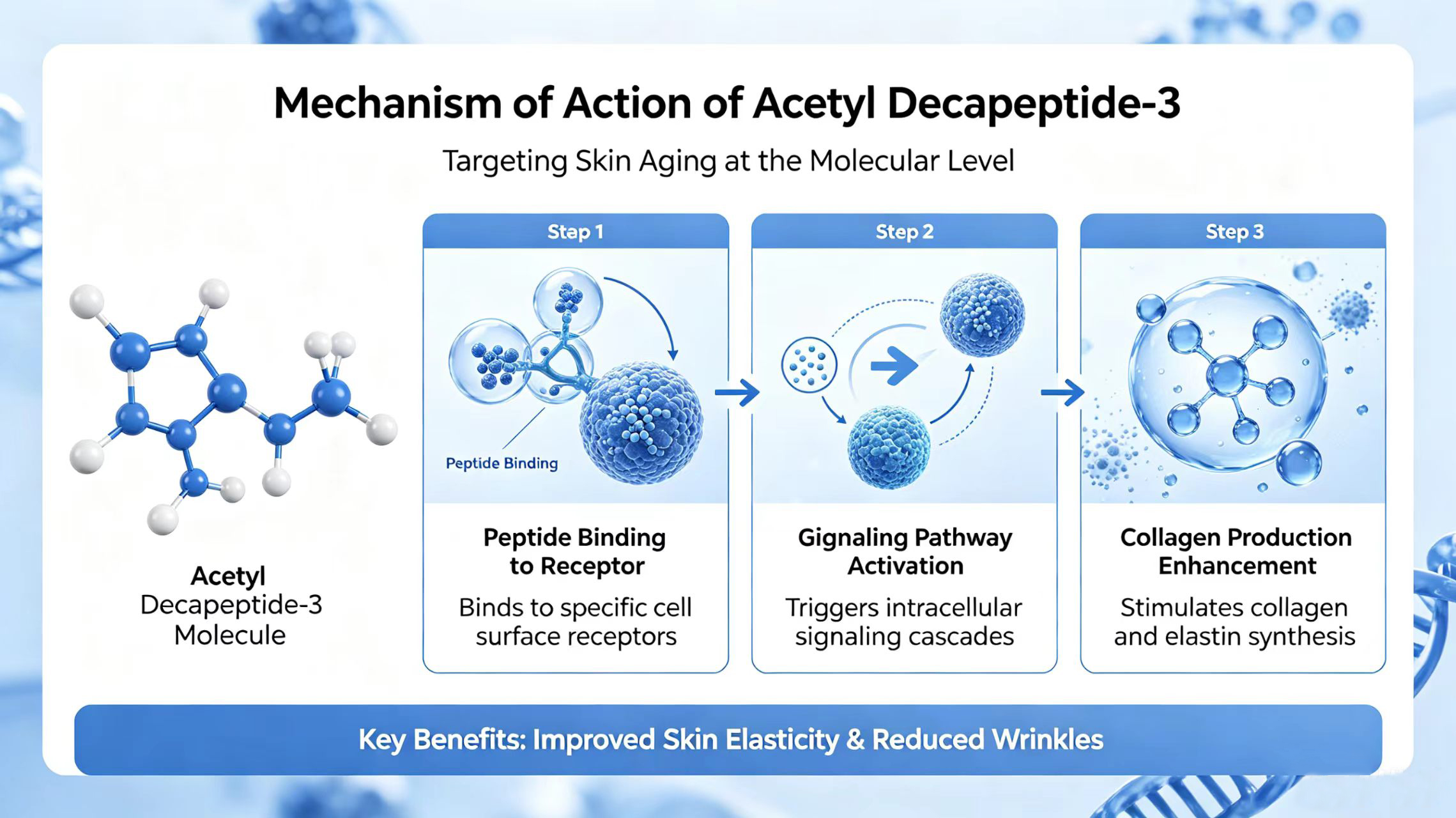
Mechanism of action of Acetyl Decapeptide-3
Acetyl Decapeptide-3 is a cosmetic signal peptide, meaning its mechanism is based on cell signaling modulation rather than pharmacological receptor binding like a drug. Its exact receptor target is not fully characterized, but its functional mechanism can be understood through how similar matrix-regulating decapeptides behave in skin biology. 1. Primary Mechanism: Fibroblast signaling activation The central proposed mechanism is activation of dermal fibroblasts, the cells responsible for maintaining skin structure. What happens: Peptide interacts with skin surface or extracellular matrix signaling systems Fibroblasts increase activity related to: Outcome: 2. Extracellular Matrix (ECM) modulation Acetyl Decapeptide-3 is thought to act as…
-
Origin, Properties, and Introduction of Acetyl Decapeptide-3
Acetyl Decapeptide-3 is a synthetic biomimetic peptide used in cosmetic science, primarily formulated for anti-aging and skin-repair applications. It belongs to the broader class of signal peptides, which are designed to communicate with skin cells and influence their activity, especially in dermal remodeling. Introduction Acetyl Decapeptide-3 is a topical cosmetic ingredient used in skincare products such as serums, creams, and anti-wrinkle formulations. Its main purpose is to: It is not a pharmaceutical drug and does not act on systemic biological targets. Instead, it works locally in the skin through cell signaling effects, mainly on fibroblasts. Origin Synthetic development Conceptual inspiration…
-
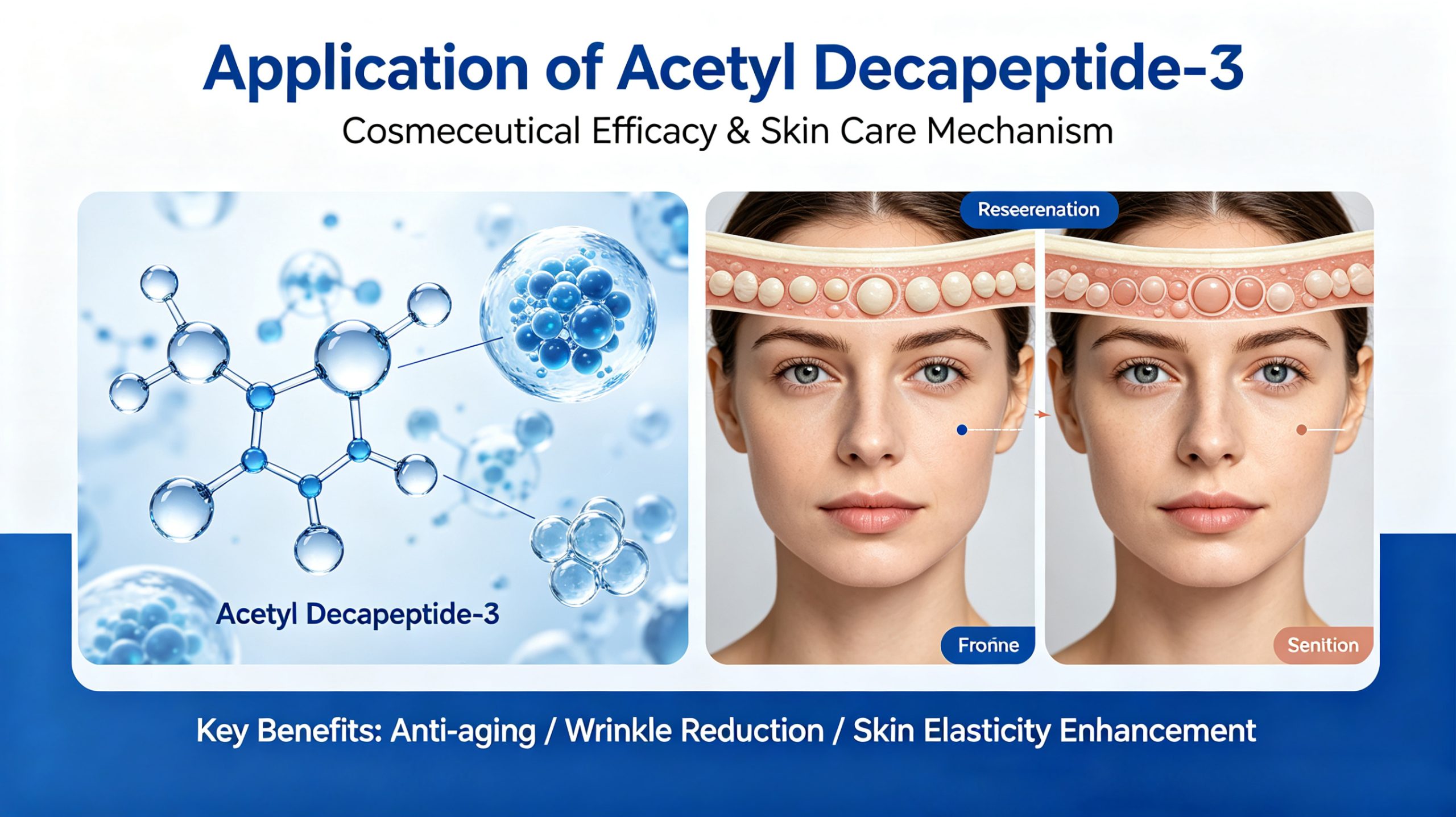
Applications of Acetyl Decapeptide-3
Acetyl Decapeptide-3 is a biomimetic peptide widely used in cosmetic and dermatological formulations due to its potential to promote skin regeneration, collagen production, and tissue repair. It is often marketed as a peptide that mimics certain biological activities associated with growth factors, particularly those involved in skin renewal. 1. Anti-Aging Skincare The primary application of Acetyl Decapeptide-3 is in anti-aging products. Benefits Common Products 2. Skin Regeneration and Repair Acetyl Decapeptide-3 is frequently included in formulations designed to enhance the skin’s natural repair processes. Functions Applications 3. Post-Procedure Recovery Many professional skincare products use Acetyl Decapeptide-3 to support recovery after…
-

Basic Information of Acetyl Decapeptide-3
Acetyl Decapeptide-3 is a synthetic cosmetic signal peptide used in skincare products for anti-aging and skin-repair support. It is primarily included in serums, creams, and professional cosmetic formulations aimed at improving skin quality rather than treating medical conditions. 1. Name & Classification 2. Origin 3. Molecular Characteristics 4. Physical Properties 5. Primary Cosmetic Functions 6. Mechanism Type (Simple Summary) It works mainly by: 7. Applications Commonly used in: 8. Evidence Level 9. Safety Profile 10. Key Takeaway Acetyl Decapeptide-3 is a cosmetic signaling peptide designed to support skin structure and anti-aging effects by enhancing fibroblast activity and extracellular matrix maintenance,…
-
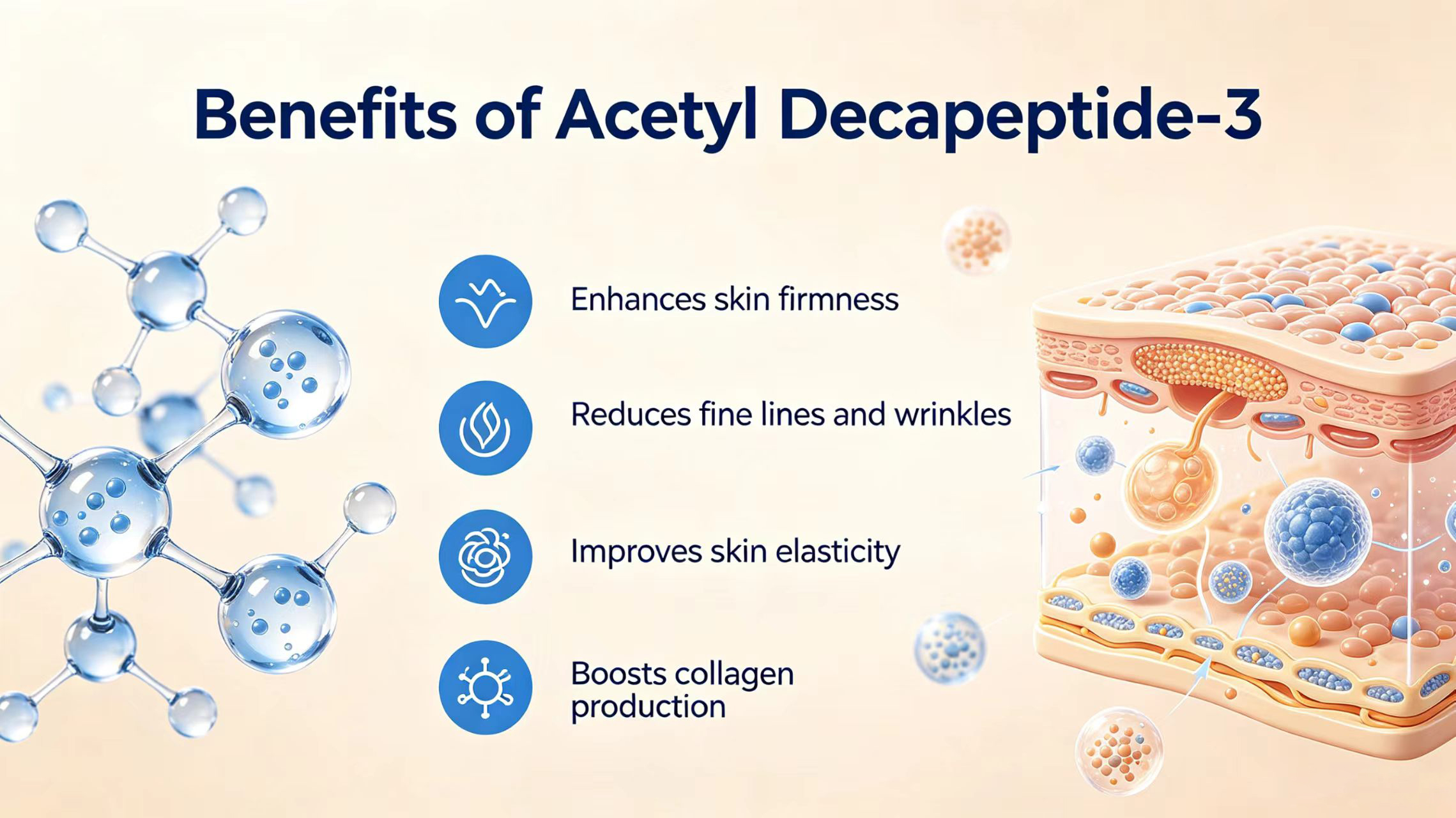
Benefits of Acetyl Decapeptide-3
Acetyl Decapeptide-3 is a synthetic biomimetic peptide commonly used in advanced skincare and cosmetic formulations. It is designed to mimic certain regenerative signals involved in skin repair and renewal, making it a popular ingredient in anti-aging and skin-rejuvenation products. Benefits of Acetyl Decapeptide-3 1. Promotes Skin Regeneration One of the primary benefits of Acetyl Decapeptide-3 is its ability to support the skin’s natural renewal process. Potential effects: 2. Helps Reduce Fine Lines and Wrinkles As skin ages, collagen and elastin production decline, leading to wrinkles and loss of firmness. Benefits: 3. Stimulates Collagen Production Collagen is essential for maintaining skin…
-
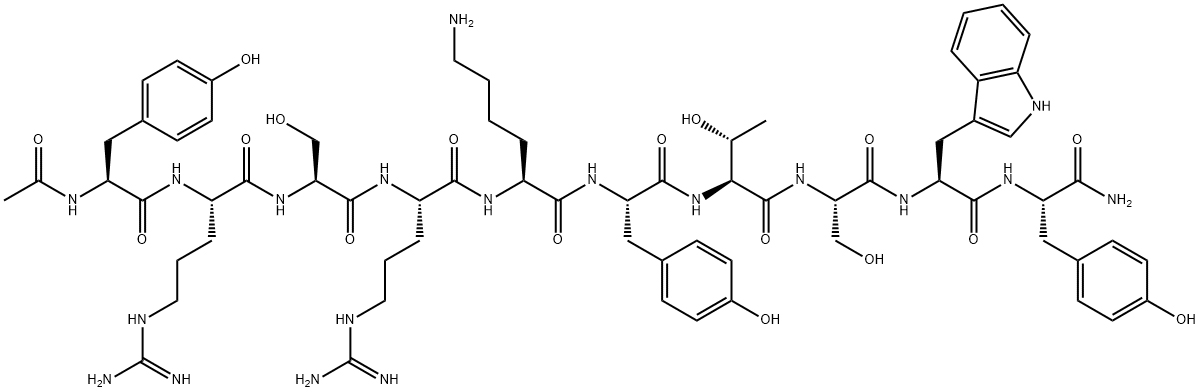
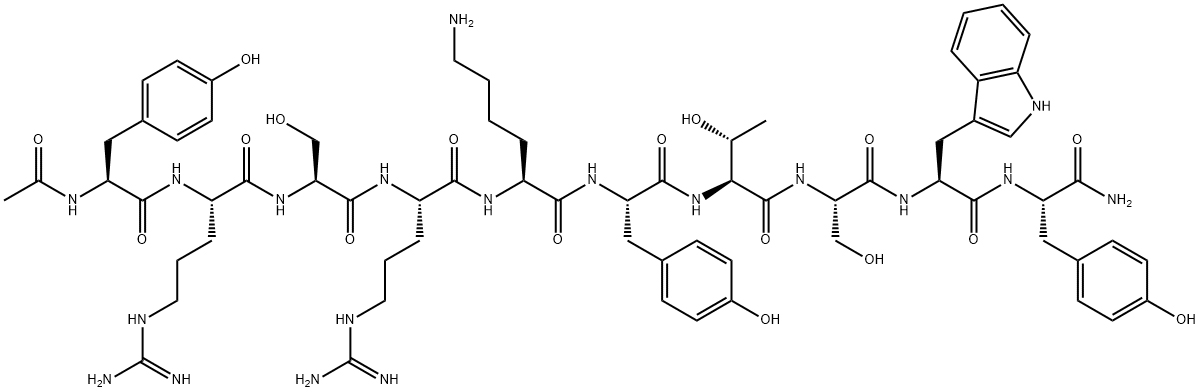
Chemical Structure and Physical Properties of Acetyl Decapeptide-3
Acetyl Decapeptide-3 is a synthetic decapeptide (10–amino-acid peptide) used primarily in cosmetic formulations. Its exact amino acid sequence is generally proprietary and not consistently disclosed in public literature, but its structural class and physicochemical properties are well understood. Chemical Structure of Acetyl Decapeptide-3 Core structural features Type: Linear decapeptide (10 amino acids) Modification: N-terminal acetylation (Ac- group) Backbone: Standard peptide bonds (-CO-NH-) linking amino acids General formula: Ac–(Amino acid)₁₀–OH (simplified representation) Key structural implications Acetyl group (Ac-) at N-terminus C-terminal carboxyl group (-COOH) Overall structure Molecular Characteristics (Typical Range) Because the exact sequence is not universally published, values are given as typical for a decapeptide…
-
What is Acetyl Decapeptide-3?
Acetyl Decapeptide-3 is a synthetic bioactive peptide composed of 10 amino acids with an acetyl group attached to its N-terminus. It is primarily used in cosmetic and skincare formulations as an anti-aging and skin-rejuvenating ingredient. It was developed to mimic certain biological activities of growth factors involved in skin repair and regeneration. Basic Information Property Description INCI Name Acetyl Decapeptide-3 Peptide Type Synthetic biomimetic peptide Amino Acid Length 10 amino acids (decapeptide) Main Use Anti-aging, skin regeneration, wrinkle reduction Solubility Water-soluble Application Serums, creams, anti-aging treatments Origin and Development Acetyl Decapeptide-3 is derived from research into the biological activity of…
-

Comprehensive Study of 5-Amino 1MQ
5-Amino 1MQ (5-amino-1-methylquinolinium) is a synthetic small-molecule NNMT inhibitor studied primarily in metabolic, obesity, and NAD⁺ biology research. It is not a peptide and not an approved drug, but a preclinical research tool compound used to probe how cellular metabolism is regulated through nicotinamide and methylation pathways. 1. Chemical and Structural Profile Core identity Structural significance The molecule’s positive charge + aromatic ring system allows it to: 2. Biological Target and Core Mechanism Primary target NNMT normally: What 5-Amino 1MQ does It inhibits NNMT, causing: (1) Preservation of nicotinamide (2) Reduced methyl-group consumption (3) Increased NAD⁺ availability (indirect) (4)Metabolic reprogramming in fat tissue…