

News
Home > News
-
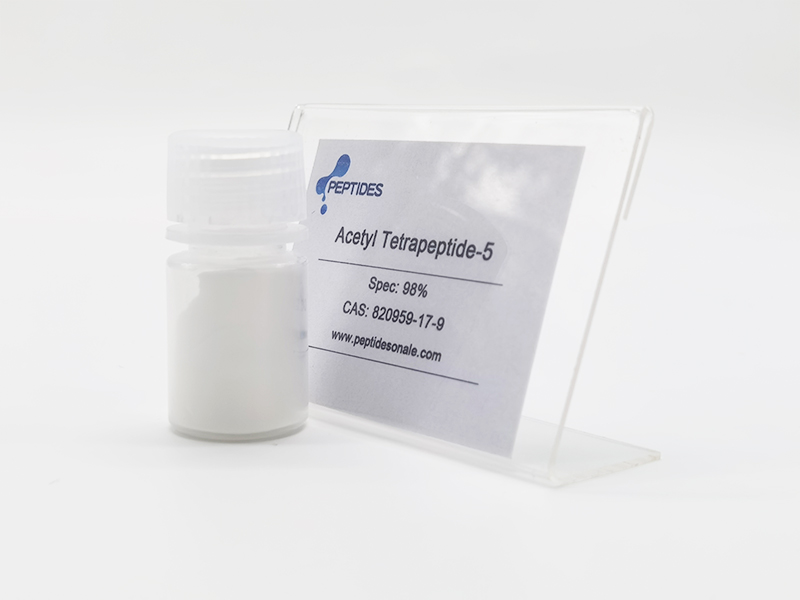
What is Acetyl Tetrapeptide-5?
Acetyl Tetrapeptide-5 is a synthetic four-amino-acid peptide derivative used primarily in cosmetic and skincare formulations, especially products targeting under-eye puffiness, dark circles, and signs of fatigue. Basic information How it is thought to work Acetyl Tetrapeptide-5 is generally described as a peptide designed to address several factors contributing to the appearance of under-eye puffiness. Proposed cosmetic mechanisms include: It is important to distinguish these cosmetic effects from treatment of medical causes of eye bags or dark circles. Evidence for specific molecular mechanisms is considerably less extensive than the marketing descriptions sometimes suggest. Main cosmetic benefits Benefit Typical cosmetic purpose Anti-puffiness…
-
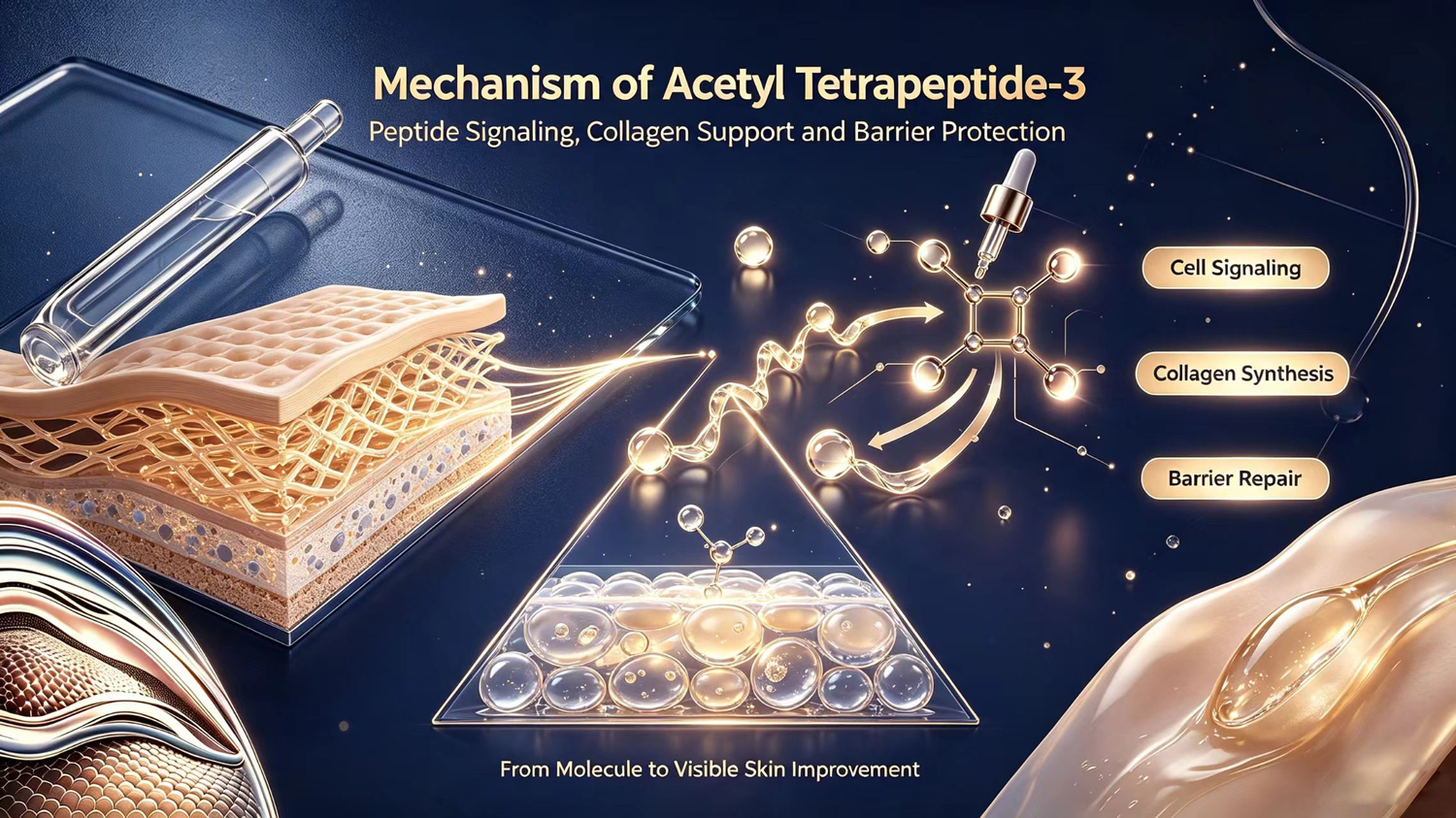
Mechanism of Acetyl Tetrapeptide-3
Acetyl Tetrapeptide-3 (Ac-KGHK) is a synthetic biomimetic signal peptide primarily studied as a hair/scalp-supporting cosmetic active. Its best-supported mechanism is not direct hormonal blockade, but remodeling and strengthening of the extracellular matrix (ECM) surrounding the hair follicle, particularly the dermal papilla and follicular anchoring structures. 1. Stimulates extracellular-matrix protein synthesis The central mechanism is stimulation of proteins that form the structural environment around the follicle. Studies have reported increased production of: In human fibroblast experiments, Acetyl Tetrapeptide-3 increased collagen III and laminin production, while studies in human skin explants found increased collagen VII expression. 2. Strengthens the follicular microenvironment The…
-
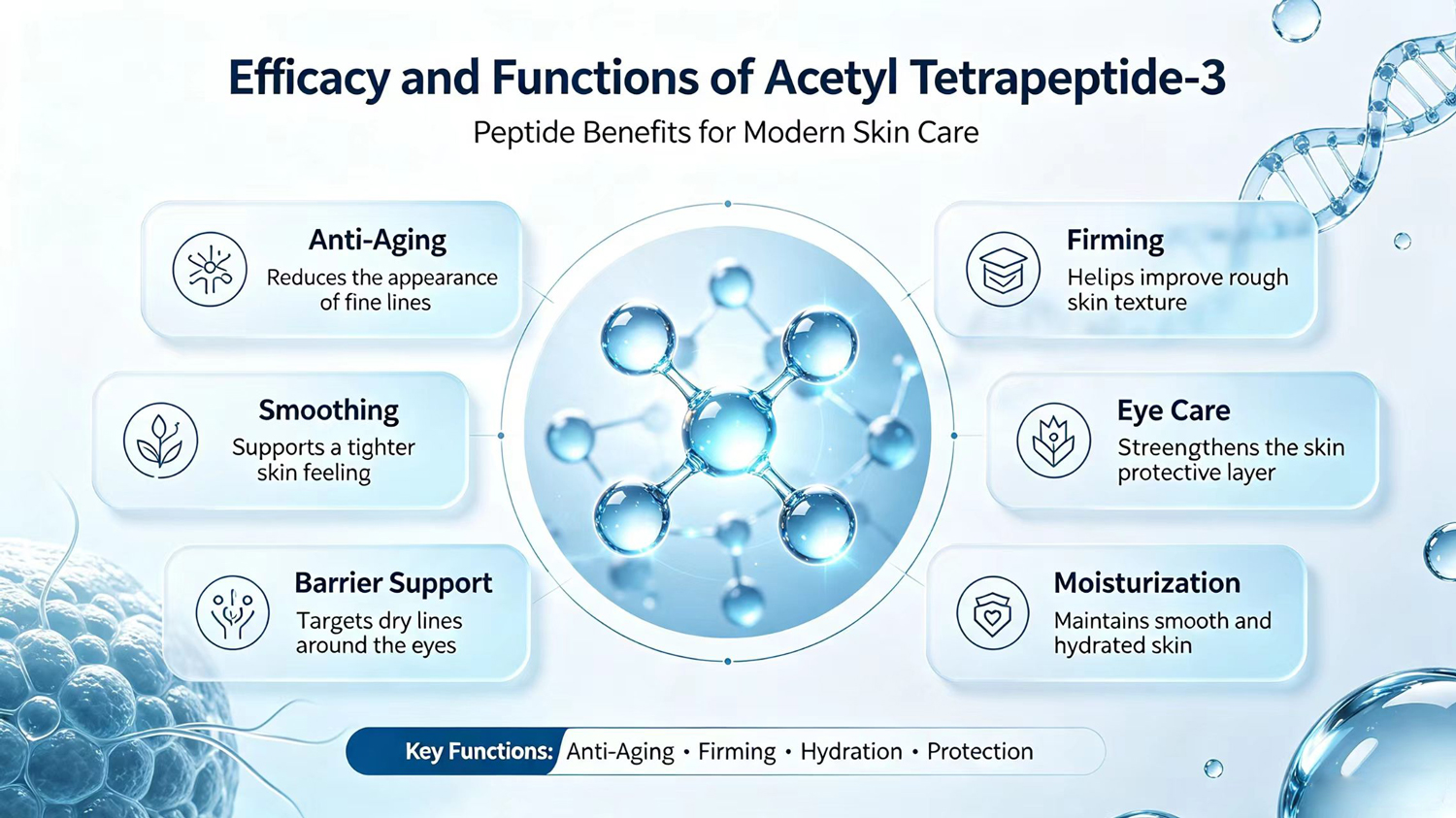
Efficacy and Functions of Acetyl Tetrapeptide-3
Acetyl Tetrapeptide-3 is a synthetic biomimetic peptide used primarily in cosmetic skin- and hair-care formulations. It is particularly associated with supporting the appearance of skin firmness, extracellular-matrix integrity, and hair/scalp condition. It is often discussed as a peptide that may help support the dermal matrix and improve the visual signs of aging. 1. Main efficacy Efficacy How it may help Skin-firming support Helps support the extracellular matrix and may improve the appearance of skin firmness and elasticity. Anti-aging support May reduce the appearance of fine lines and loss of skin resilience when used consistently. Collagen/ECM support Peptide-based signaling may support…
-
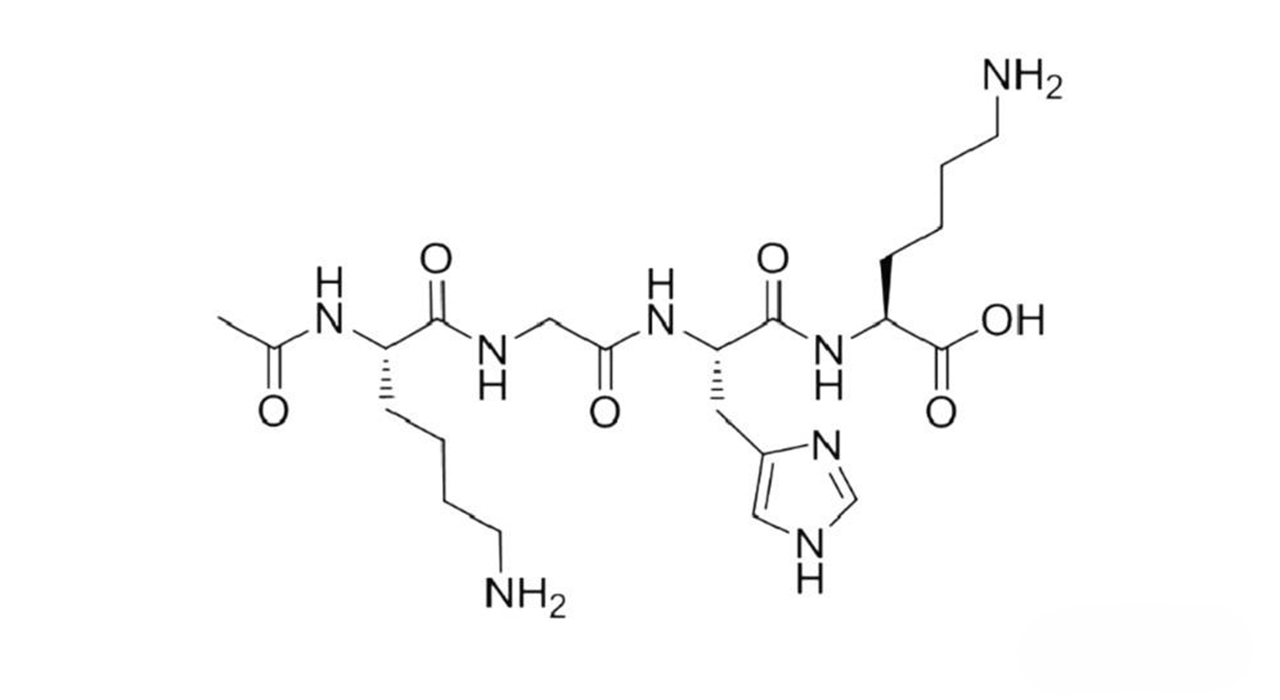
Chemical Structure and Physical Properties of Acetyl Tetrapeptide-3
Acetyl Tetrapeptide-3 is a synthetic biomimetic tetrapeptide used primarily in cosmetic and hair/scalp formulations. Chemically, it is an N-acetylated tetrapeptide composed of lysine, glycine, histidine, and lysine, with a C-terminal amide. Its peptide sequence is Ac-Lys-Gly-His-Lys-NH₂ (Ac-KGHK-NH₂). 1. Chemical structure The structure can be represented as: Ac-Lys-Gly-His-Lys-NH₂ where: The acetyl group is attached to the amino terminus of the first lysine, while the terminal carboxyl group is converted into an amide. These modifications help distinguish Acetyl Tetrapeptide-3 from the unmodified peptide and affect its physicochemical characteristics. PubChem identifies the compound as N-acetyl-L-lysyl-glycyl-L-histidyl-L-lysinamide. Molecular formula: C₂₂H₃₉N₉O₅ Molecular weight: 509.6 g/mol CAS number: 827306-88-7…
-
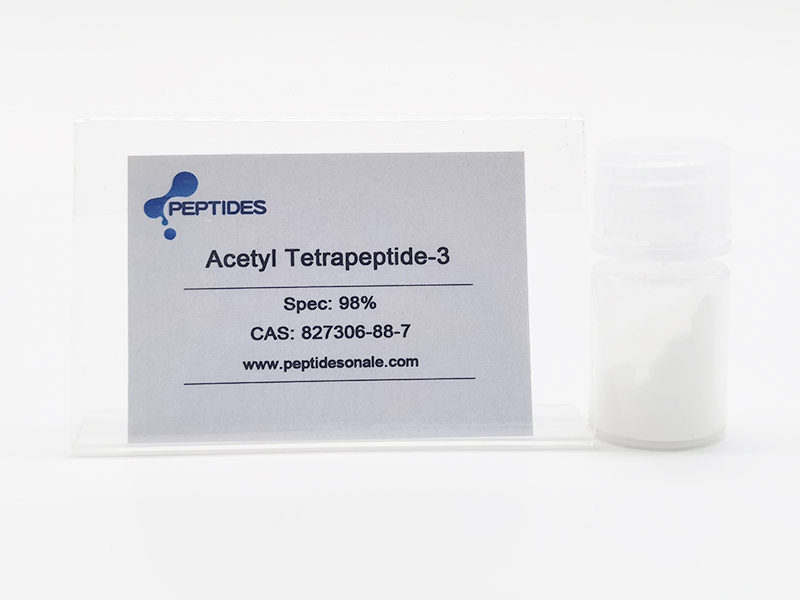
Pros and Cons of Acetyl Tetrapeptide-3
Acetyl Tetrapeptide-3 is a synthetic four-amino-acid peptide used primarily in scalp and hair-care formulations. It is particularly associated with Capixyl-type formulations, usually together with red clover extract. However, the evidence for Acetyl Tetrapeptide-3 by itself is considerably less established than marketing claims for combination products suggest. Pros of Acetyl Tetrapeptide-3 1. May support hair follicle environment It is proposed to influence extracellular-matrix proteins involved in the structural support of hair follicles, including collagen and laminin. 2. Potentially useful for thinning hair Acetyl Tetrapeptide-3 is widely incorporated into cosmetic scalp serums intended to improve the appearance of thinning or weakened hair. 3.…
-
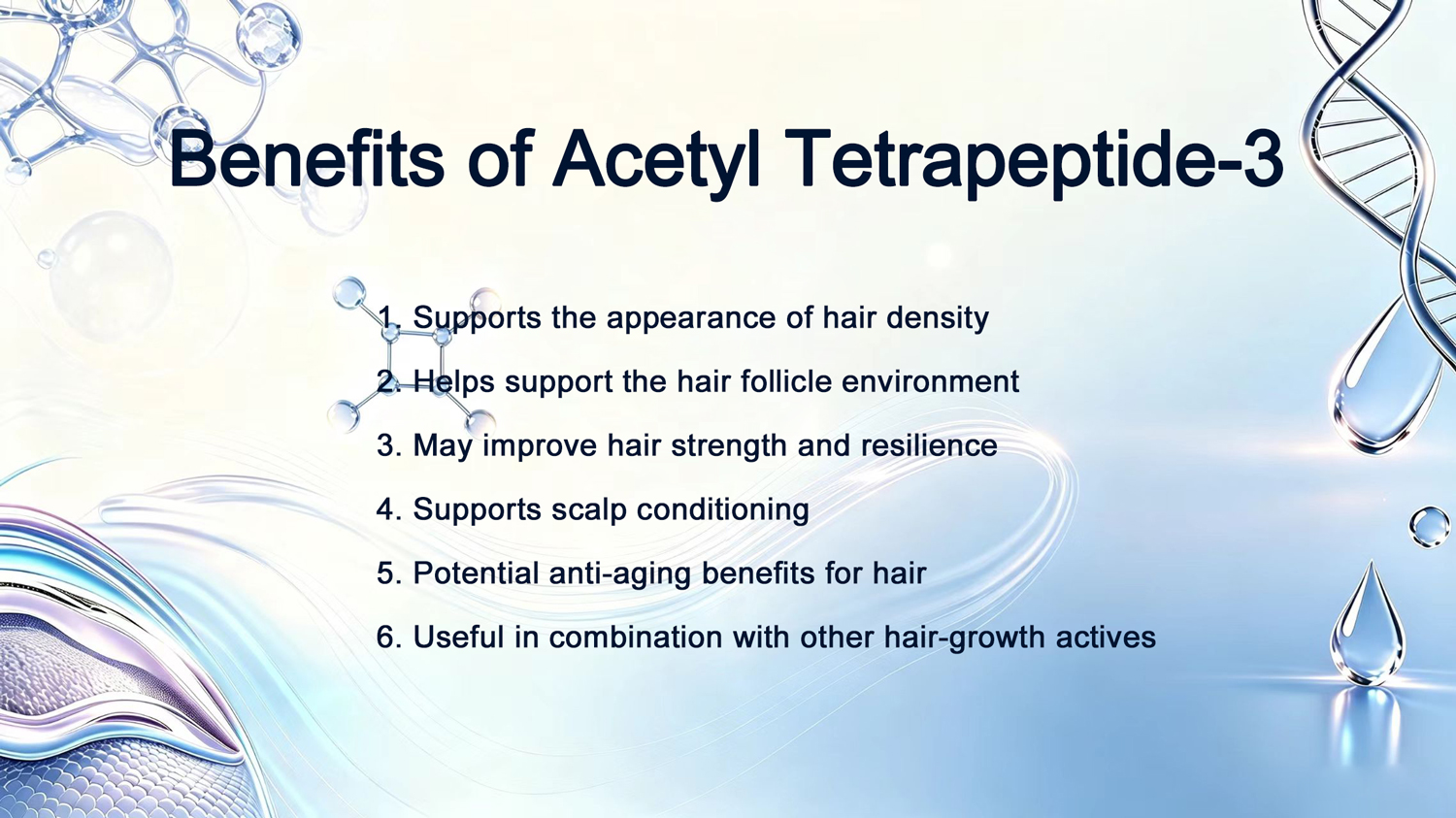
Benefits of Acetyl Tetrapeptide-3
Acetyl Tetrapeptide-3 is a short, acetylated peptide used primarily in hair-care and scalp-care formulations. It is often associated with cosmetic products designed to support the appearance and condition of hair follicles, scalp, and hair density. Key benefits 1. Supports the appearance of hair density 2. Helps support the hair follicle environment 3. May improve hair strength and resilience 4. Supports scalp conditioning 5. Potential anti-aging benefits for hair 6. Useful in combination with other hair-growth actives Important limitation The evidence for Acetyl Tetrapeptide-3 is much stronger as a cosmetic/ingredient concept than as a clinically established hair-loss treatment. Claims about actually…
-
Basic Information of Acetyl Tetrapeptide-3
Acetyl Tetrapeptide-3 is a short synthetic cosmetic peptide consisting of four amino-acid residues with an acetyl group attached to the peptide chain. It is primarily used in skin-care and hair-care formulations, particularly products positioned for skin conditioning, anti-aging, and improvement of the appearance of hair and scalp. 1. Basic profile Property Information Name Acetyl Tetrapeptide-3 INCI name Acetyl Tetrapeptide-3 Type Synthetic tetrapeptide Peptide length 4 amino-acid residues Acetylation N-terminal acetyl modification Main field Cosmetics and personal care Common applications Skin care, scalp care, hair care Typical positioning Skin conditioning, anti-aging, hair/scalp care Formulation role Cosmetic active rather than a conventional…
-
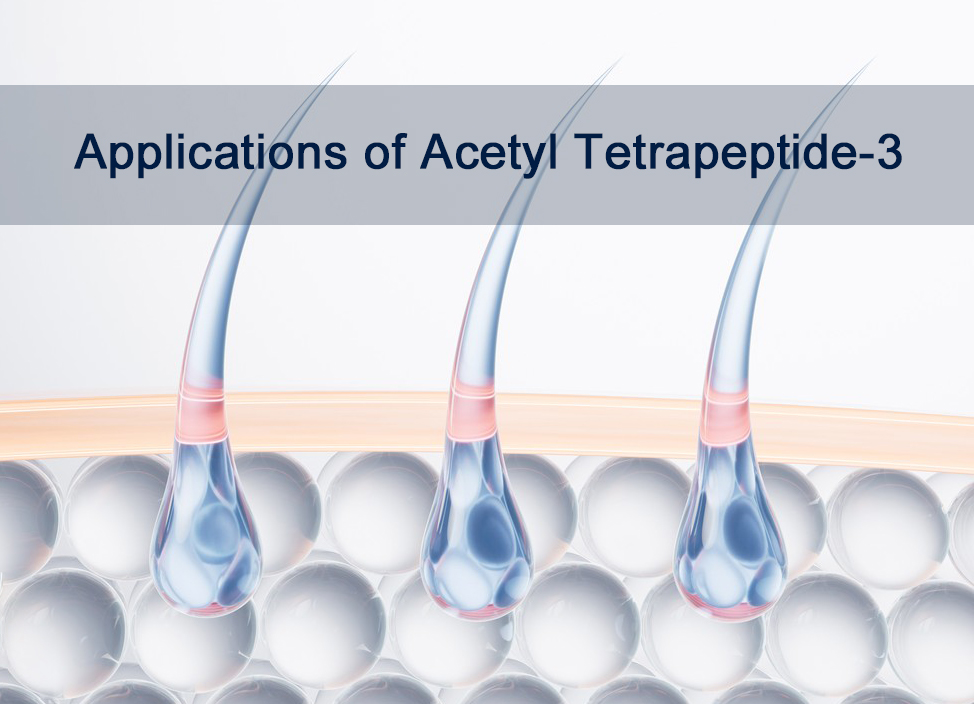
Applications of Acetyl Tetrapeptide-3
Acetyl Tetrapeptide-3 is a synthetic biomimetic tetrapeptide used primarily in hair-care and scalp-care cosmetics, with secondary applications in skin-conditioning and anti-aging formulations. It is often associated with hair-density complexes such as Capixyl, where it is combined with red clover-derived ingredients. 1. Hair-growth and hair-density products Its most important cosmetic application is in products designed for thinning hair and reduced hair density. It is incorporated into: Research indicates that Acetyl Tetrapeptide-3 can influence extracellular-matrix components around the follicle, including collagen and laminin, potentially helping support the follicular environment. 2. Supporting hair-follicle anchoring A major proposed application is improving the structural environment…
-
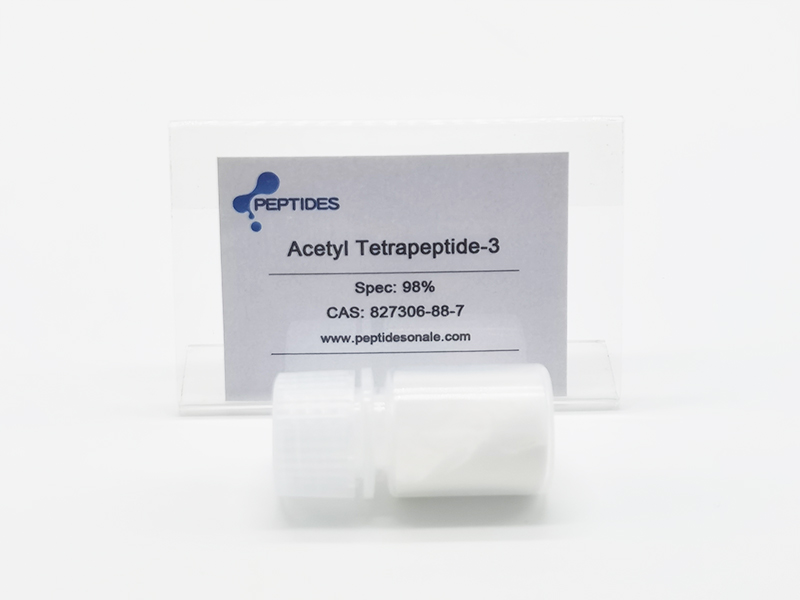
Origin, Properties, and Introduction of Acetyl Tetrapeptide-3
Acetyl Tetrapeptide-3 is a synthetic, short-chain peptide consisting of four amino-acid residues with an acetyl group attached to the peptide structure. Its INCI name is Acetyl Tetrapeptide-3. According to the European COSMILE ingredient database, it is defined as a product obtained by acetylating Tetrapeptide-3 and is classified primarily as a skin-protecting cosmetic ingredient. It is particularly well known in hair-care and scalp-care formulations, where it is commonly incorporated into peptide complexes designed to support the hair follicle environment and improve the appearance of thinning or weakened hair. Origin Acetyl Tetrapeptide-3 is synthetic rather than plant- or animal-derived. Cosmetic ingredient databases…
-
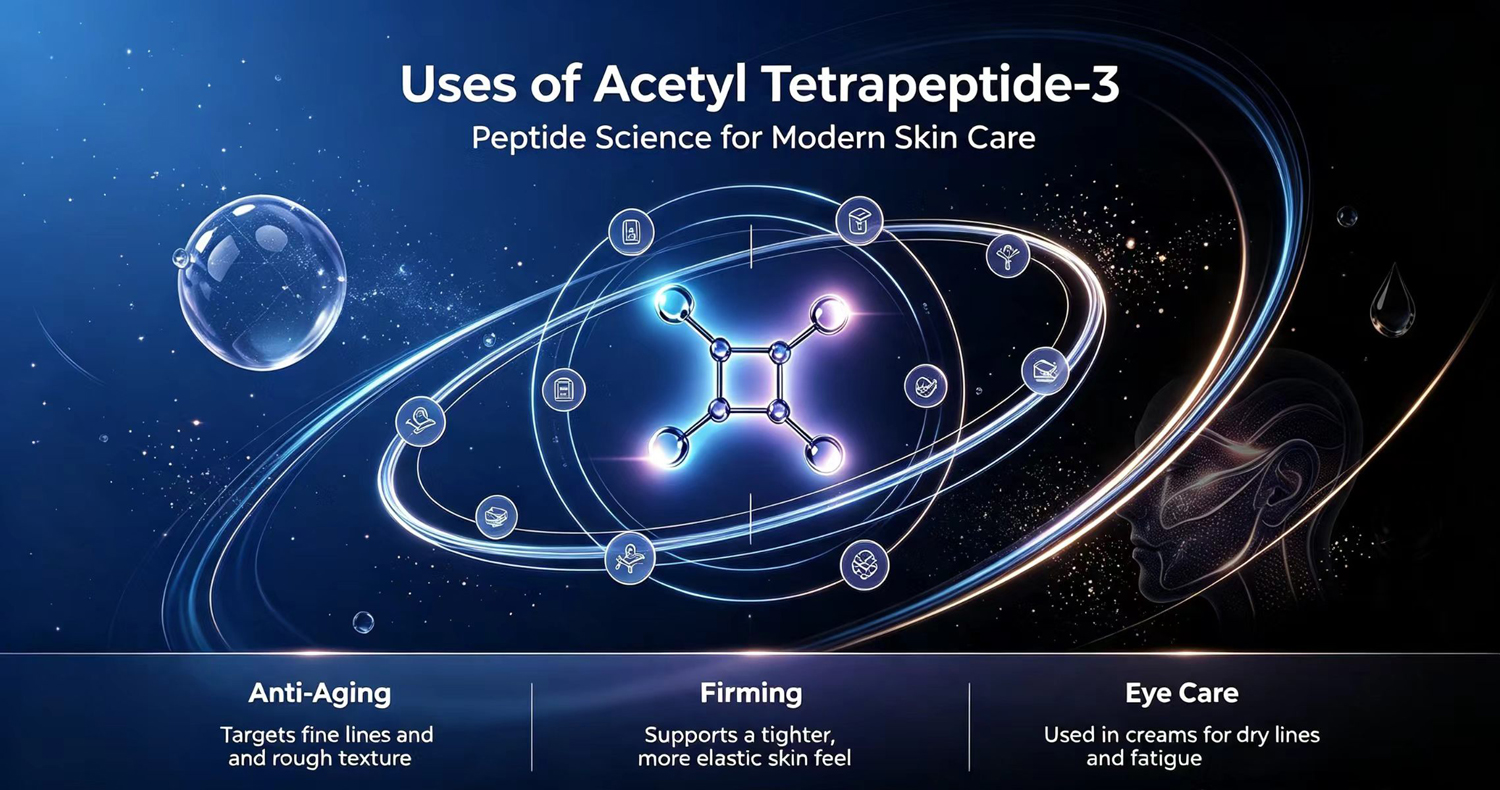
Uses of Acetyl Tetrapeptide-3
Acetyl Tetrapeptide-3 is a cosmetic peptide primarily used in hair-care and scalp-care formulations, with additional potential applications in skin-care products. It is often associated with products designed to improve the appearance and condition of hair and scalp. 1. Hair-strengthening and conditioning Acetyl Tetrapeptide-3 is used in formulations intended to: 2. Scalp-care products It can be incorporated into scalp serums, tonics, and treatments designed to maintain a healthy scalp environment. Its use is particularly relevant in products marketed for hair-density and scalp revitalization. 3. Hair-density and anti-hair-loss cosmetic products Acetyl Tetrapeptide-3 is frequently used as an active ingredient in cosmetic products…
-
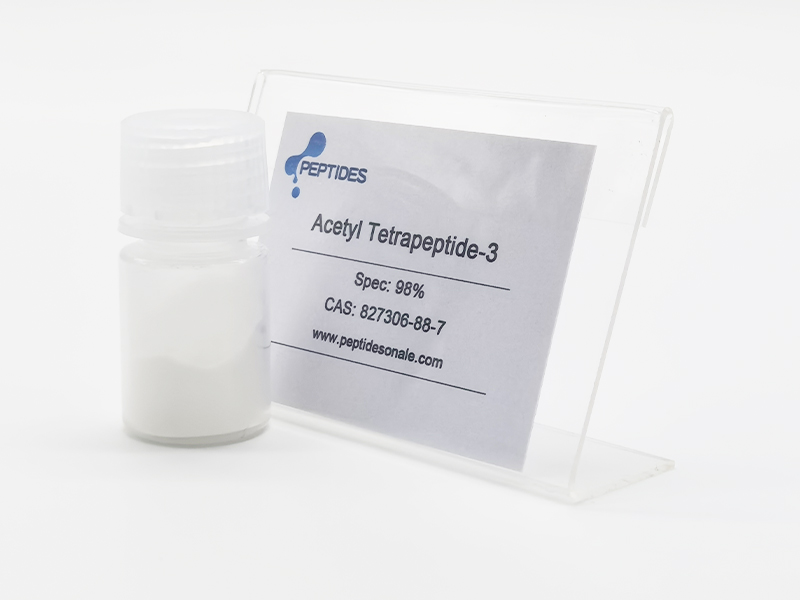
What is Acetyl Tetrapeptide-3?
Acetyl Tetrapeptide-3 is a short synthetic peptide used primarily in cosmetic hair-care and scalp-care formulations. It is best known as a conditioning and hair-strengthening active and is commonly marketed for supporting the appearance of thicker, fuller, healthier-looking hair. Basic information How does it work? Acetyl Tetrapeptide-3 is generally described as acting on the extracellular matrix surrounding the hair follicle. Cosmetic suppliers commonly associate it with: It is important to distinguish these cosmetic claims from pharmaceutical hair-regrowth treatments: Acetyl Tetrapeptide-3 is not an FDA-approved drug for treating androgenetic alopecia, and evidence for actual increases in hair density is considerably less established…
-
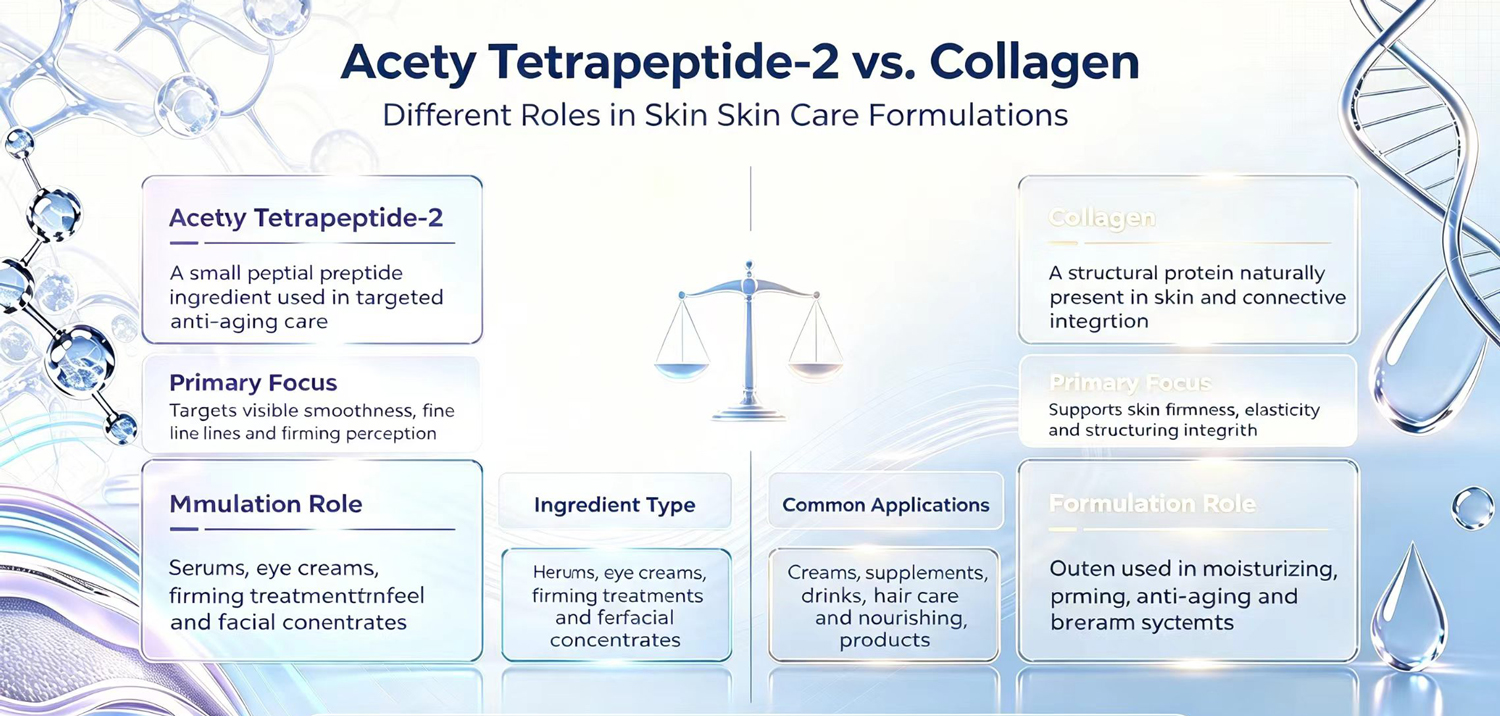
Acetyl Tetrapeptide-2 vs. Collagen
Acetyl Tetrapeptide-2 and collagen are both associated with skin firmness and anti-aging, but they work very differently. Acetyl Tetrapeptide-2 is a small signaling peptide used as a cosmetic active, whereas collagen is a structural protein that forms an important part of the skin’s extracellular matrix. Feature Acetyl Tetrapeptide-2 Collagen Type Synthetic/modified tetrapeptide Structural protein Molecular size Very small peptide Very large protein Main role Cosmetic signaling/skin-conditioning active Structural support and hydration Primary target Cellular/extracellular signaling pathways related to skin aging Dermal extracellular matrix Firmness May support firmness and elasticity indirectly Provides the structural framework for firmness Wrinkles May help improve…