

News
Home > News
-
Comprehensive Study of Acetyl Hexapeptide-49
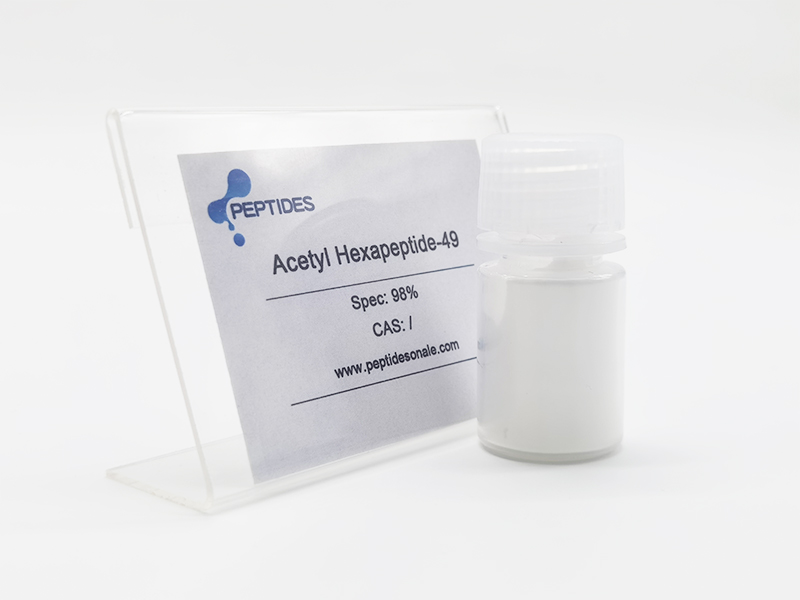
Acetyl Hexapeptide-49 is a synthetic cosmetic signaling peptide developed for sensitive skin management, primarily targeting inflammation, irritation, and skin barrier dysfunction. It belongs to the modern class of neurocosmetic and anti-inflammatory peptides used in advanced skincare formulations. 1. Identity and General Characteristics It is designed for topical use only, primarily in skincare formulations for sensitive or reactive skin. 2. Origin and Development Background 2.1 Synthetic origin Acetyl Hexapeptide-49 is: Fully laboratory-synthesized Built via stepwise peptide synthesis Modified with an acetyl group to improve: It is not naturally extracted from plants, animals, or microbes. 2.2 Scientific development context It was developed…
-
Chemical Structure and Physical Properties of Acetyl Hexapeptide-49
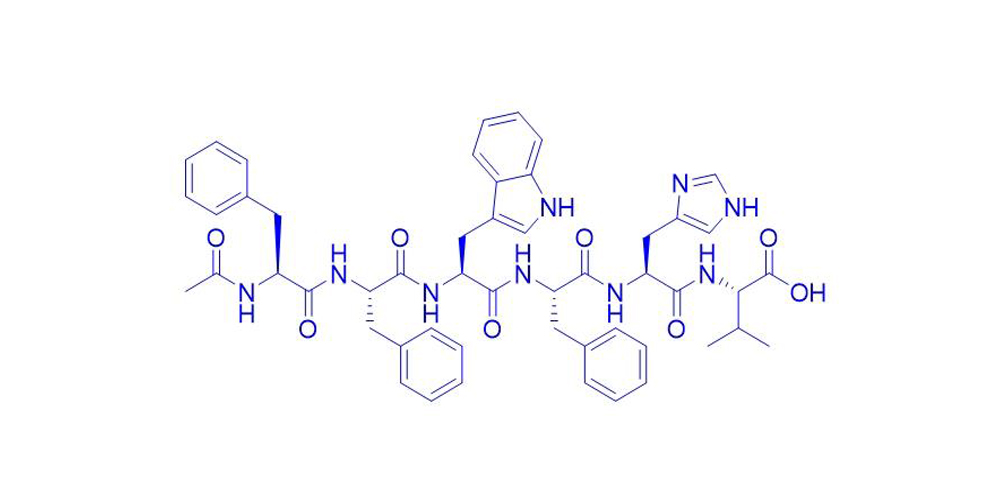
Acetyl Hexapeptide-49 is a synthetic, acetylated hexapeptide, meaning it is composed of 6 amino acids linked by peptide bonds with an acetyl group (CH₃CO–) attached to one end of the molecule (usually the N-terminus). Chemical structure of Acetyl Hexapeptide-49 1. General structural features Because the exact amino-acid sequence is typically proprietary to suppliers, the public description is usually limited to its class structure: 2. Typical molecular architecture (conceptual) Ac–AA1–AA2–AA3–AA4–AA5–AA6 Where: 3. Functional structural implications Even without full sequence disclosure, key structural traits include: → helps skin penetration and interaction with the stratum corneum → improves topical absorption compared with larger…
-
Benefits of Acetyl Hexapeptide-49
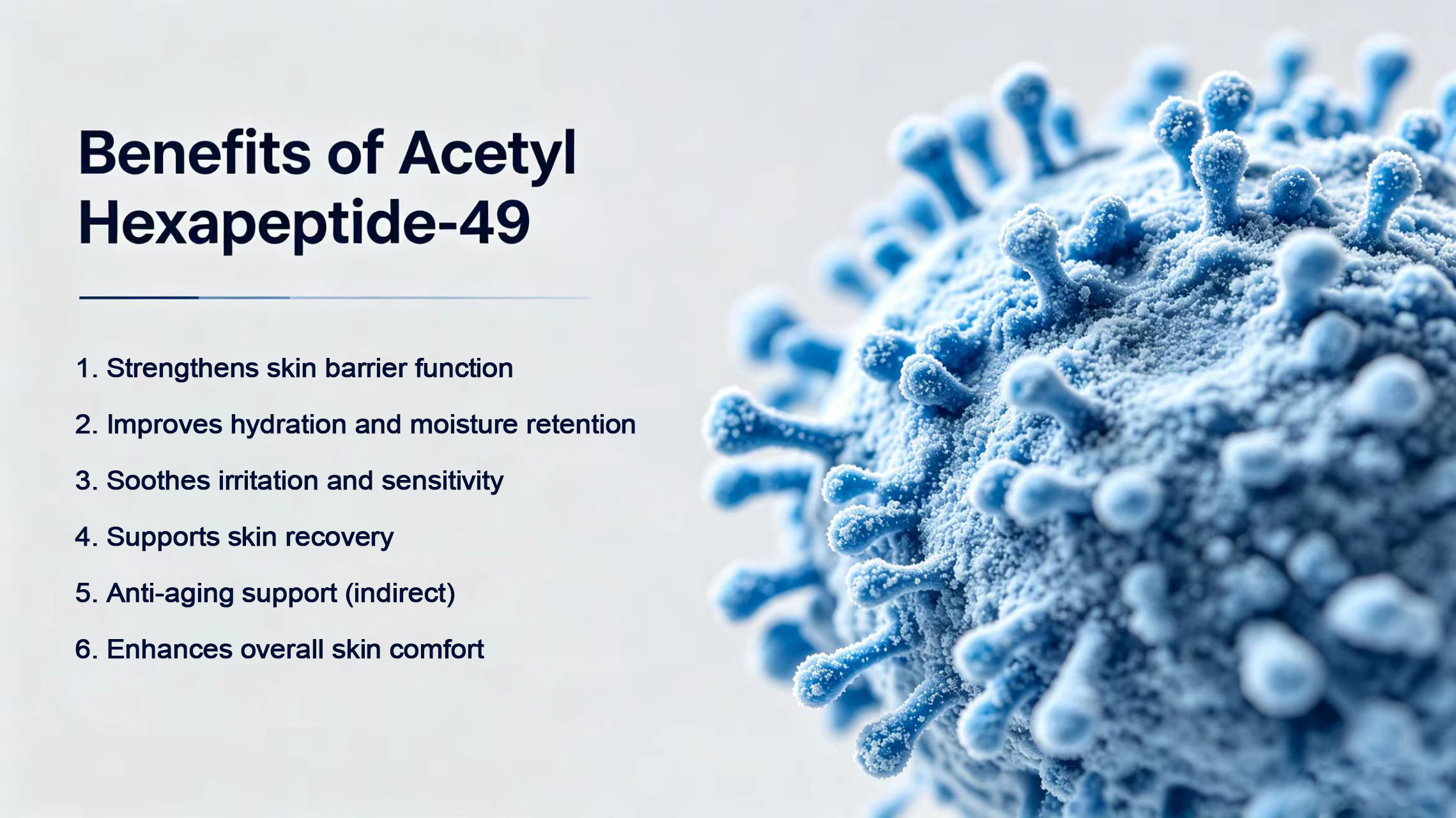
Acetyl Hexapeptide-49 is used in skincare mainly as a barrier-supporting and skin-soothing peptide. Its benefits are cosmetic in nature (not medical), and most evidence comes from formulation studies and lab data rather than large clinical trials. Benefits of Acetyl Hexapeptide-49 1. Strengthens skin barrier function It is designed to help reinforce the skin’s outer protective layer by supporting: This can make skin more resilient to environmental stress (pollution, weather, cleansing). 2. Improves hydration and moisture retention It may help skin retain water by: Result: skin may feel less dry and more comfortable. 3. Soothes irritation and sensitivity Often included in…
-
Applications of Acetyl Hexapeptide-49
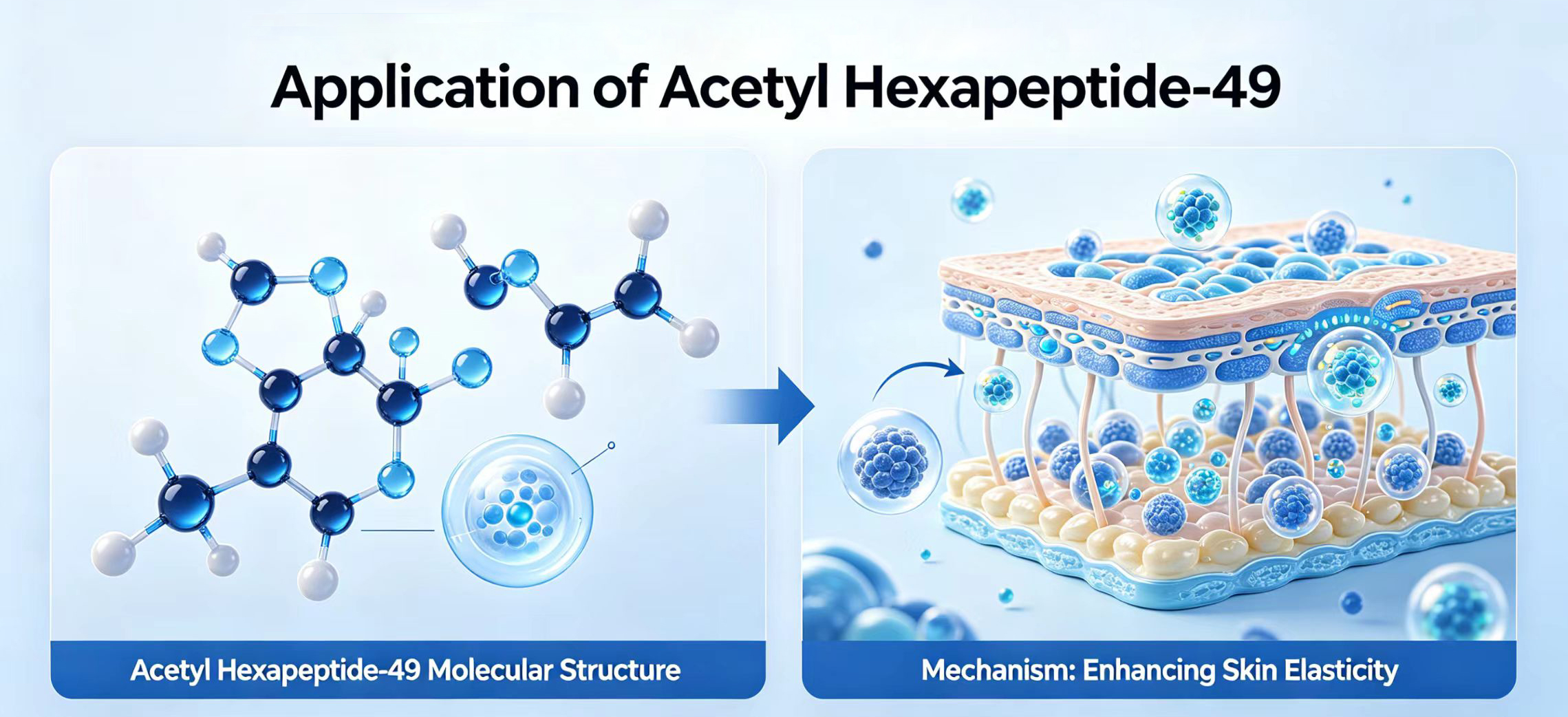
Acetyl Hexapeptide-49 is used mainly as a cosmetic active ingredient in skincare formulations, where it is included to support skin barrier health, hydration, and soothing effects rather than acting as a drug or injectable compound. Applications of Acetyl Hexapeptide-49 1. Sensitive skin care products It is commonly formulated into products designed for reactive or easily irritated skin, such as: Purpose: help calm visible and sensory irritation and support skin recovery. 2. Barrier repair formulations It is used in “skin barrier strengthening” products aimed at: Typical product types: 3. Anti-aging skincare (supportive role) While not a wrinkle-relaxing peptide, it is included…
-
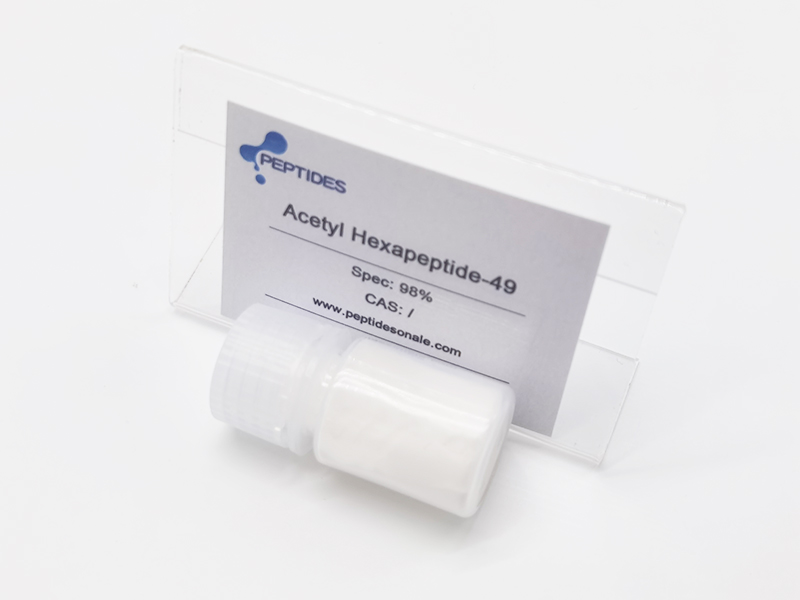
What is Acetyl Hexapeptide-49?
Acetyl Hexapeptide-49 is a synthetic cosmetic peptide used primarily in skin care formulations for its potential effects on skin barrier function, hydration, and inflammation modulation. Basic identity What it is designed to do Acetyl Hexapeptide-49 is typically developed as a biomimetic signaling peptide, meaning it is intended to interact with skin cell signaling pathways rather than act as a structural ingredient. In cosmetic research and formulation claims, it is associated with: Proposed mechanism (conceptual) While exact proprietary data may vary by supplier, peptides in this class generally work by: Comparison with other peptides Evidence level Safety profile If you want,…
-
Efficacy and Effects of Acetyl Hexapeptide-8
Acetyl Hexapeptide-8 is a topical cosmetic peptide used mainly for reducing the appearance of expression lines. Its efficacy is best described as mild to moderate cosmetic improvement, with effects strongly dependent on formulation quality, concentration, and consistent use. 1. Overall efficacy (real-world summary) It is generally considered a cosmetic-support ingredient rather than a standalone wrinkle remover. 2. Observed skin effects 2.1 Reduction of expression lines Most consistent reported benefit: Effect: 2.2 Skin smoothing effect Users and formulation studies report: 2.3 Temporary muscle relaxation–like appearance Through modulation of neurotransmitter release pathways: Important: this is not true muscle paralysis, only a cosmetic-level…
-
Pros and Cons of Acetyl Hexapeptide-8
Acetyl Hexapeptide-8 is a widely used anti-aging cosmetic peptide best known for targeting expression lines. Like most peptides in skincare, it has a balanced profile of advantages and limitations. ✔ Pros of Acetyl Hexapeptide-8 1. Reduces appearance of expression lines 2. Non-invasive alternative to injectables 3. Good safety and tolerability 4. Works well in cosmetic formulations Water-soluble and easy to formulate Compatible with many skincare actives: 5. Suitable for early anti-aging care ✖ Cons of Acetyl Hexapeptide-8 1. Mild efficacy compared to medical treatments Effects are subtle, not dramatic Far weaker than: 2. Limited skin penetration 3. Strong dependence on formulation quality…
-
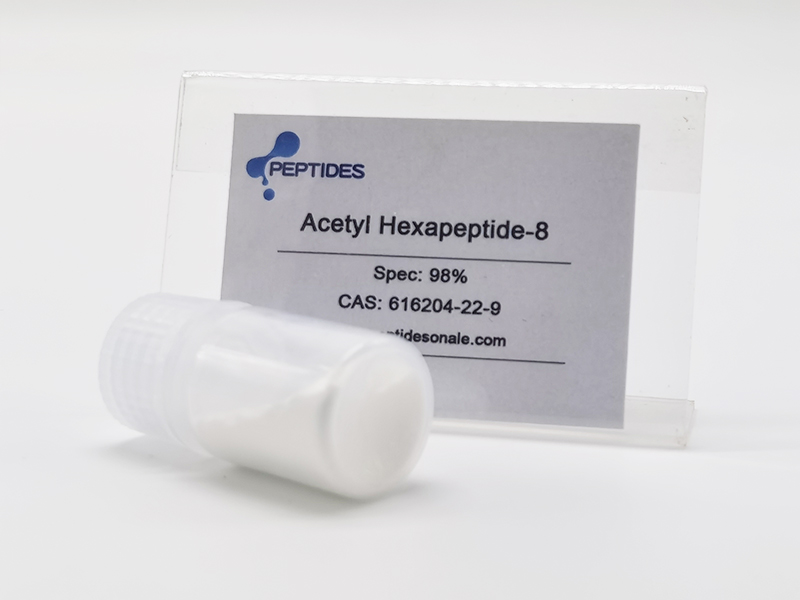
Origin, Properties and Introduction of Acetyl Hexapeptide-8
Acetyl Hexapeptide-8 is a synthetic cosmetic peptide developed for anti-aging skincare, primarily aimed at reducing the appearance of facial expression lines. It is widely used in serums and creams as a topical “neuromodulating-like” ingredient, though its activity is far weaker and non-invasive compared with medical neurotoxins. Origin Acetyl Hexapeptide-8 was developed in the early 2000s by researchers working with peptide-based cosmetic actives, most notably through work associated with Lipotec (Spain). It is derived from a fragment of the SNAP-25 protein, which is involved in the regulation of neurotransmitter release. Rather than being extracted from a natural source, it is: Its…
-
Uses of Acetyl Hexapeptide-8
Acetyl Hexapeptide-8 (commonly known as Argireline) is a cosmetic neuropeptide used primarily in anti-aging skincare to reduce the appearance of expression lines caused by repeated facial muscle movement. It is not a drug or injectable neurotoxin; it is used topically in cosmetic formulations. 1. Anti-wrinkle / expression line reduction (primary use) Its main application is in products targeting dynamic wrinkles, such as: It is included in: 2. “Botox-like” cosmetic effect (non-invasive) Acetyl Hexapeptide-8 is often used as a non-injectable alternative approach to Botox-style wrinkle reduction by: Result: 3. Prevention of expression-line formation It is also used in preventive anti-aging skincare,…
-
Basic Information of Acetyl Hexapeptide-8
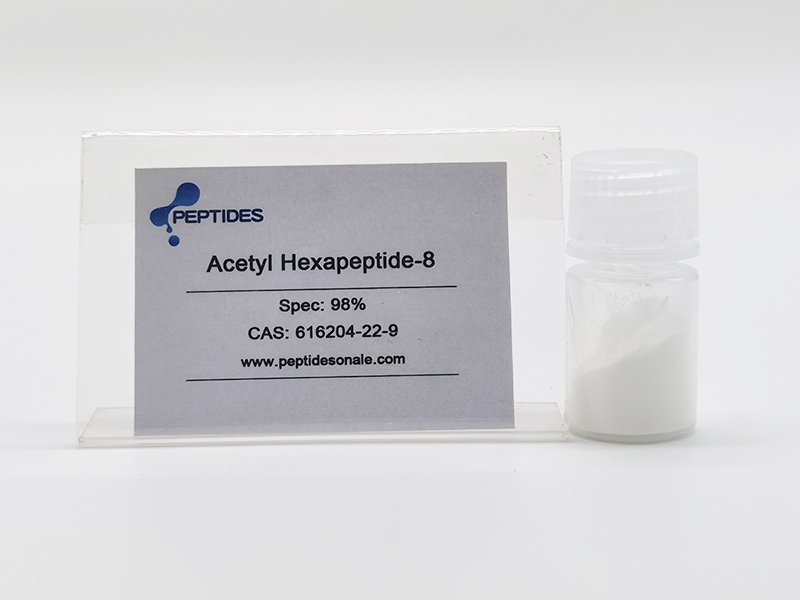
Acetyl Hexapeptide-8 is a synthetic cosmetic peptide widely used in anti-aging skincare products, especially those targeting expression lines and early wrinkles. Basic Information of Acetyl Hexapeptide-8 1. Name and identification 2. Origin It is not naturally extracted, but fully laboratory-synthesized. 3. Chemical nature 4. Amino acid sequence Typical structure: Ac–Glu–Glu–Met–Gln–Arg–Arg–NH₂ This sequence is designed to mimic part of SNAP-25, a key protein in neuronal signaling. 5. Core function in cosmetics Its main purpose is to: 6. Mechanism (brief overview) It is believed to: 7. Common uses It is typically found in: 8. Stability and formulation Stable in pH ~5–7 Sensitive…
-
Mechanism of action of Acetyl Hexapeptide-8
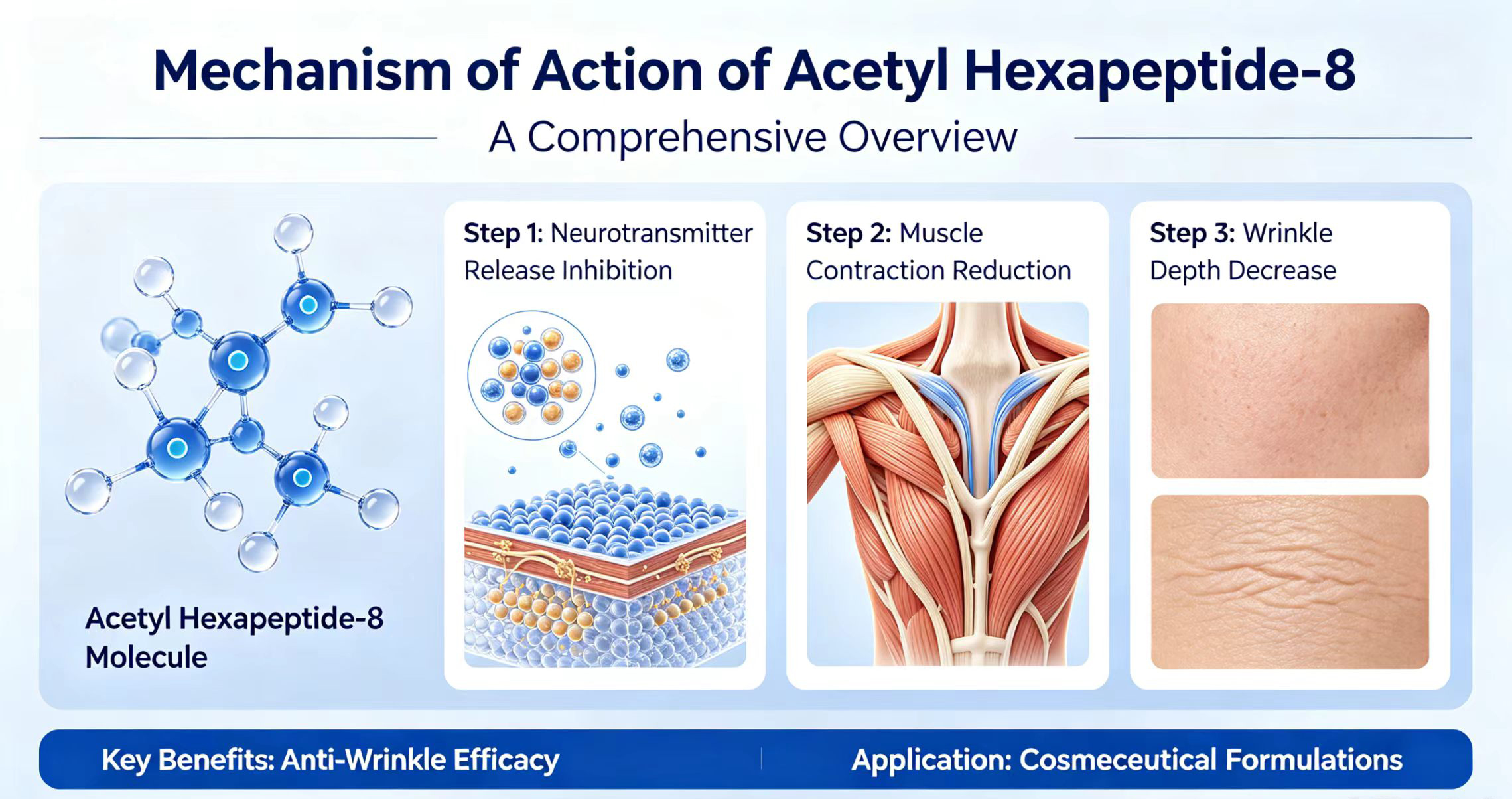
Acetyl Hexapeptide-8 acts through a neurotransmitter release–modulating mechanism that is inspired by (but far weaker than) the biological pathway targeted by botulinum toxin. Its mechanism is best understood at the level of the SNARE complex, which controls acetylcholine release at nerve terminals. 1. Normal physiological mechanism (baseline) To understand its action, start with normal muscle contraction signaling: (1)A motor neuron sends an electrical signal (2)This triggers vesicles containing acetylcholine (ACh) (3)Vesicles must fuse with the neuron membrane via the SNARE complex Key proteins: SNAP-25, syntaxin, VAMP (4)Acetylcholine is released into the synaptic cleft (5)Muscle fibers contract → facial expression lines…
-

Benefits of Acetyl Hexapeptide-8
Acetyl Hexapeptide-8 is a synthetic peptide widely used in skincare, mainly for its “expression line–softening” properties. It is often described as a topical alternative (much milder) to injectable neurotoxins, though its effects are far more limited and cosmetic rather than medical. Here are the main benefits: 1. Reduces the appearance of expression lines Acetyl Hexapeptide-8 is best known for helping soften fine lines caused by repeated facial movements—especially: It works by interfering with signals involved in muscle contraction (SNARE complex activity), which may slightly reduce micro-tension in facial muscles when used consistently. 2. Smooths skin texture With regular use, it…