

News
Home > News
-
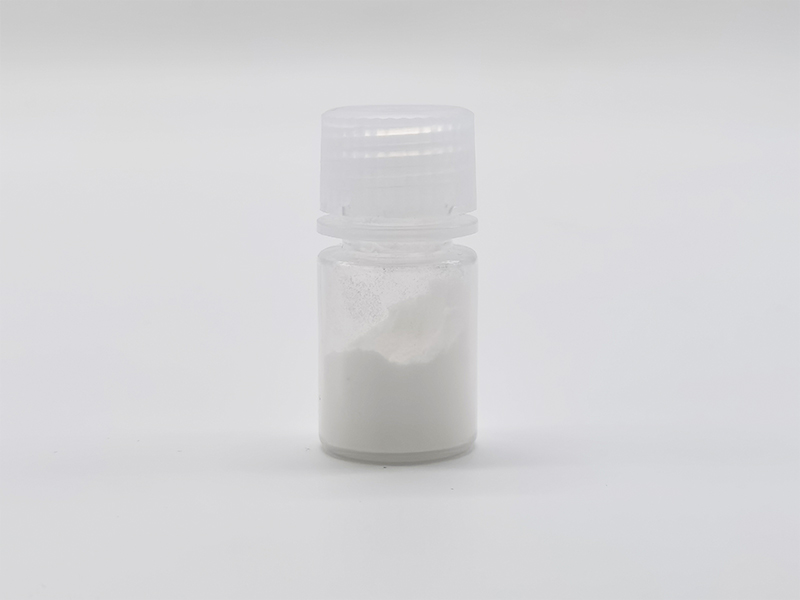
What is Acetyl Hexapeptide-8?
Acetyl Hexapeptide-8 is a synthetic cosmetic peptide widely used in skincare and commonly known as Argireline. It is a short-chain peptide (6 amino acids) designed for topical anti-aging use, especially to reduce the appearance of expression lines caused by repeated facial movements. What it is (simple definition) Acetyl Hexapeptide-8 is a neurocosmetic peptide that helps soften the look of wrinkles by influencing skin surface-level neurotransmitter signaling involved in muscle contraction. It is often described as a “Botox-like” cosmetic ingredient, but it is: Key characteristics Main function Acetyl Hexapeptide-8 works mainly by: What it is used for It is mainly used…
-
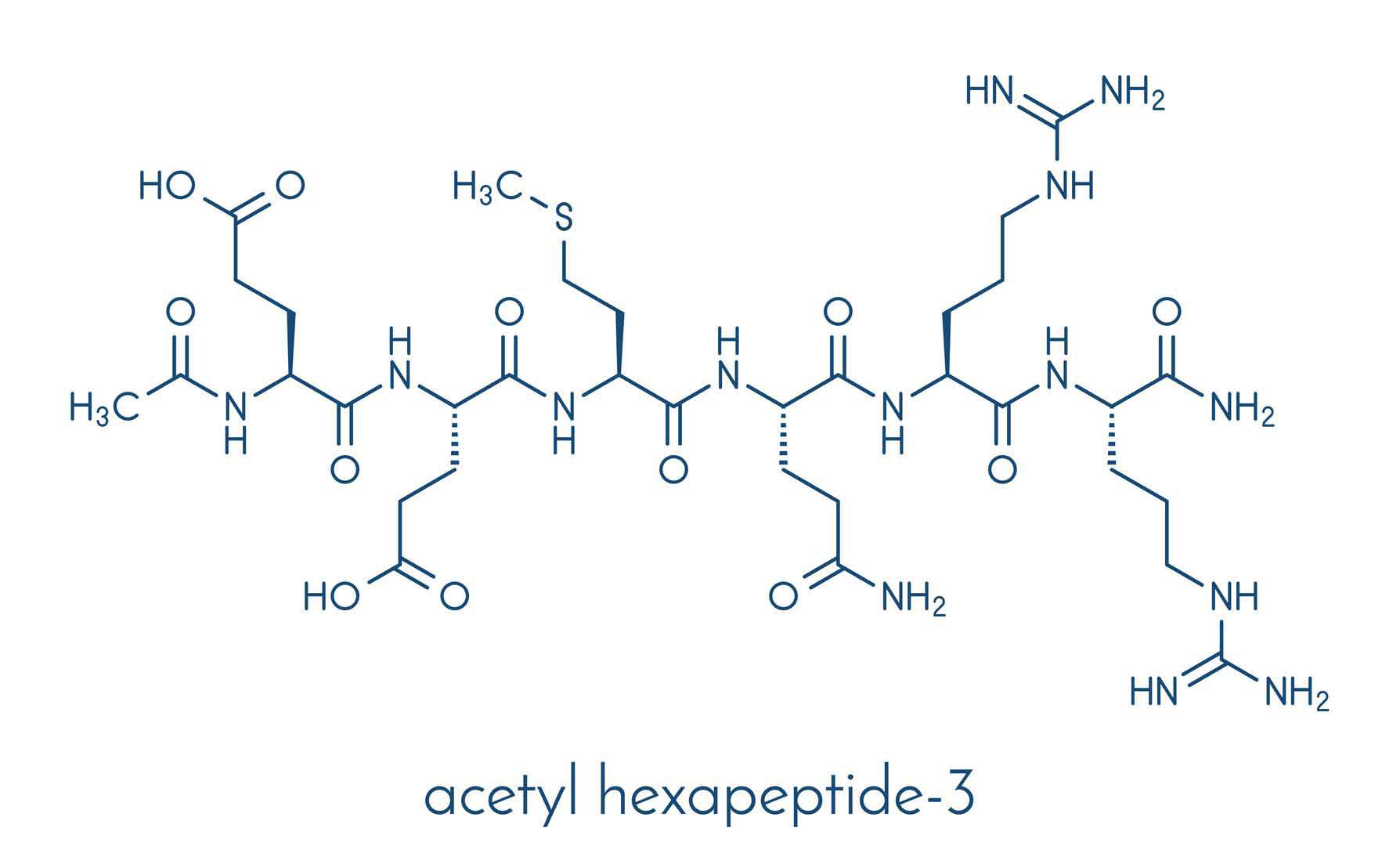
Chemical Structure and Physical Properties of Acetyl Hexapeptide-8
Acetyl Hexapeptide-8 is a short synthetic peptide with a defined amino-acid sequence and well-characterized cosmetic formulation properties. Chemical Structure of Acetyl Hexapeptide-8 Peptide identity Amino acid sequence The most commonly reported structure is: Ac–Glu–Glu–Met–Gln–Arg–Arg–NH₂ Where: Structural features Molecular Formula and Weight This relatively low molecular weight (for a peptide) supports better formulation handling in topical products. Physical Properties of Acetyl Hexapeptide-8 Appearance Solubility Stability Stable under mild cosmetic conditions Optimal pH range: ~5.0–7.0 Sensitive to: N-terminal acetylation and C-terminal amidation significantly enhance stability compared with unmodified peptides. Charge characteristics Net charge varies with pH: This influences: Lipophilicity / permeability Key Structural–Functional Relationship The…
-
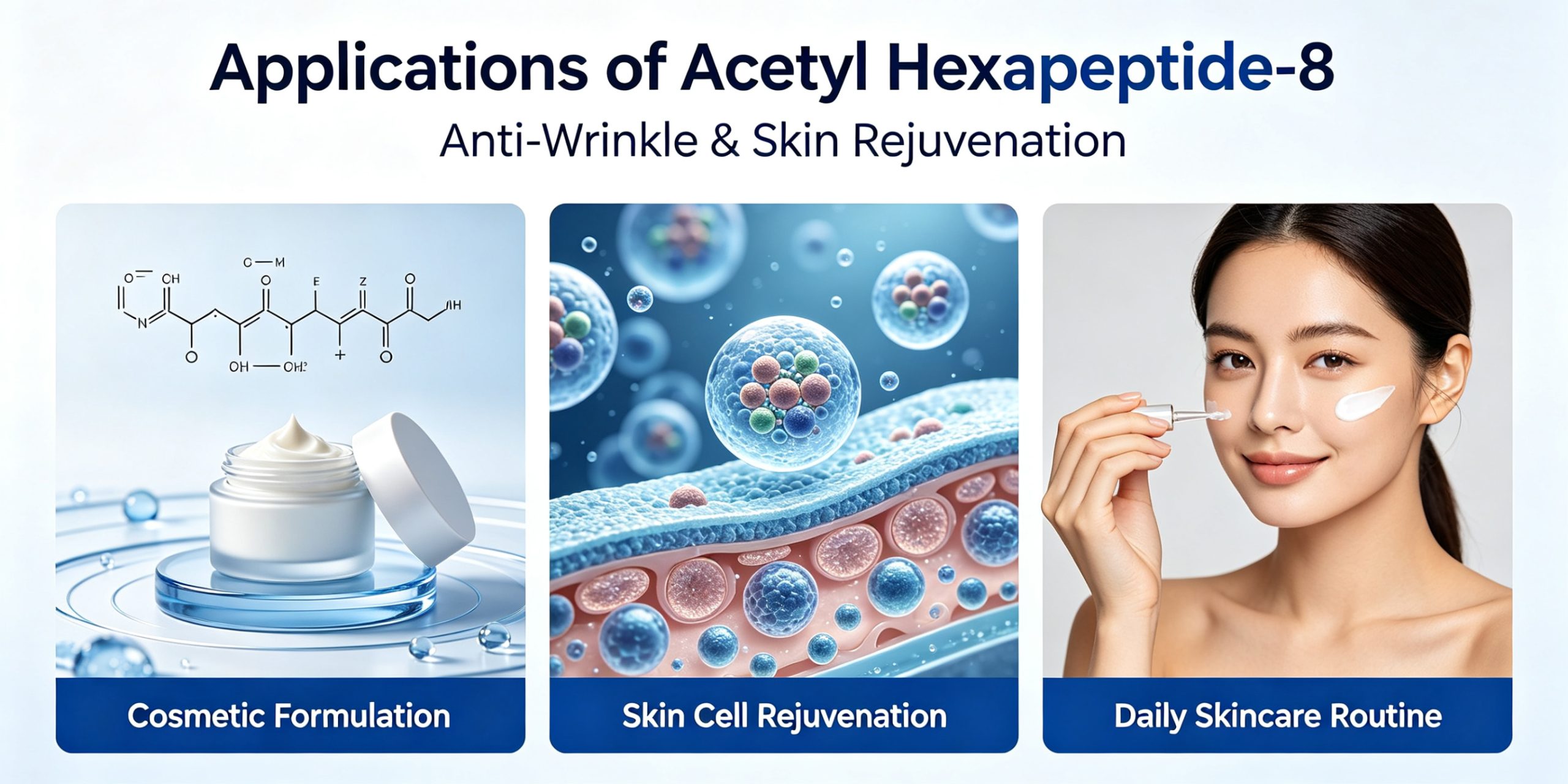
Applications of Acetyl Hexapeptide-8
Acetyl Hexapeptide-8 (commonly known as Argireline) is a cosmetic neuropeptide widely used in topical anti-aging skincare products. Its applications focus on reducing the appearance of expression lines and improving skin smoothness. 1. Anti-wrinkle skincare (primary application) It is most commonly applied in products designed to target dynamic facial wrinkles, such as: Typical products: 2. Expression-line control formulations Acetyl Hexapeptide-8 is used in products that aim to: 3. Non-invasive “Botox-like” cosmetic products It is widely used in needle-free wrinkle-reduction cosmetics, where it helps: 4. Eye-area cosmetic care A major application is in eye creams and gels, targeting: 5. Preventive anti-aging skincare…
-
Comprehensive Study of Acetyl Hexapeptide-1
Acetyl Hexapeptide-1 is a synthetic cosmetic signal peptide best known for its role in skin pigmentation regulation, photoaging mitigation, and skin tone improvement. It is widely used in skincare formulations under trade names such as Melitane™, typically in brightening and anti-aging products. Unlike drug molecules, it functions through topical cell-signaling modulation rather than direct pharmacological receptor activation. 1. Chemical and Structural Overview 1.1 Basic identity 1.2 Key structural implications 2. Physicochemical Properties Appearance Solubility Stability profile Moderately stable under cosmetic conditions Degrades under: Storage 3. Biological Mechanism of Action The exact receptor targets are not fully defined, but its mechanism…
-
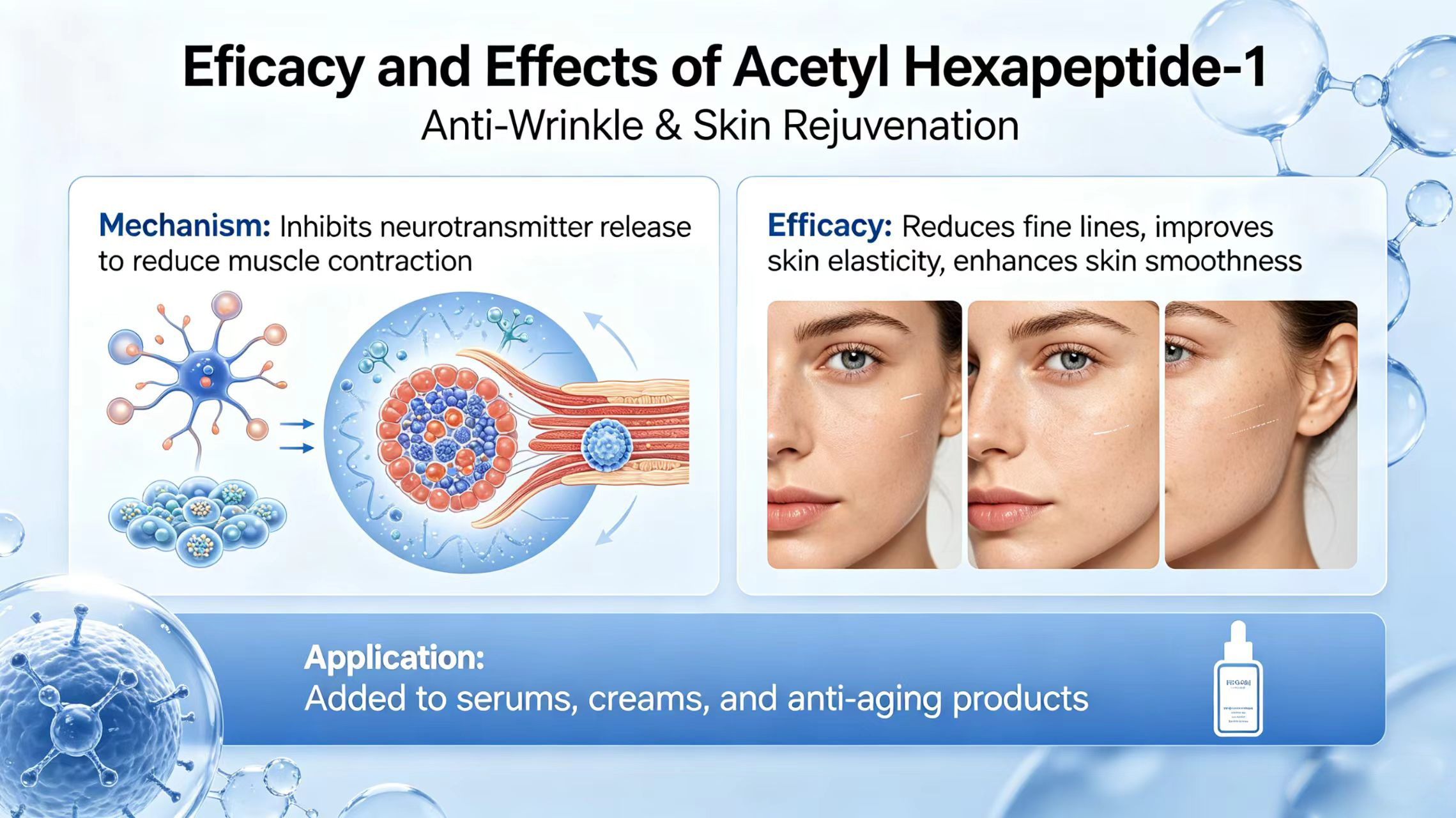
Efficacy and Functions of Acetyl Hexapeptide-1
Acetyl Hexapeptide-1 is a cosmetic signal peptide mainly studied for its role in skin pigmentation regulation, photoaging protection, and skin tone improvement. Its efficacy is considered moderate in cosmetic science, with most evidence coming from in vitro and formulation-based studies rather than large independent clinical trials. Functions of Acetyl Hexapeptide-1 1. Regulation of skin pigmentation (core function) Its primary biological role is modulation of melanogenesis (melanin production). Proposed actions: Functional outcome: 2. Anti-photoaging activity Acetyl Hexapeptide-1 helps counteract UV-induced skin changes by: Outcome: 3. Anti-inflammatory modulation (mild) It may help regulate low-level inflammation in the skin: 4. Skin tone normalization…
-
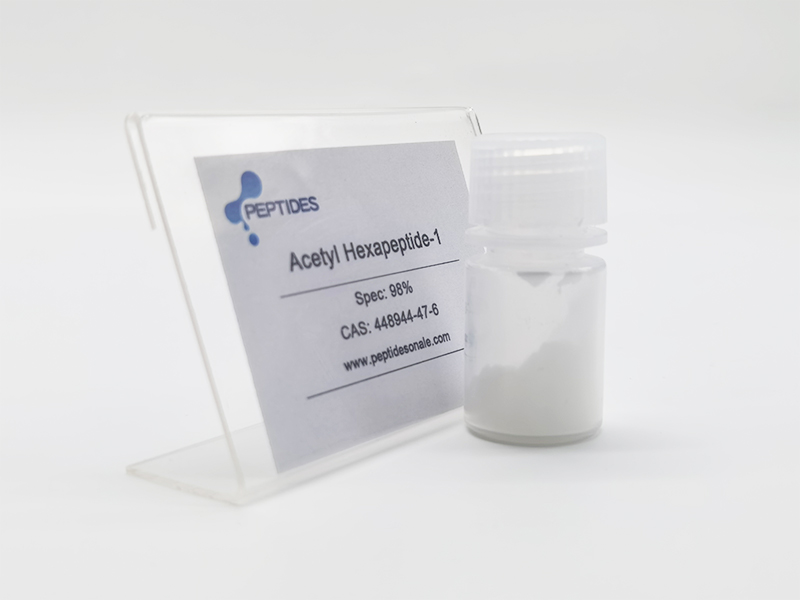
Origin, Properties, and Introduction of Acetyl Hexapeptide-1
Acetyl Hexapeptide-1 is a synthetic cosmetic hexapeptide used in skincare formulations to support skin tone regulation, brightness, and photoaging improvement. It is best known in cosmetic science as a signal peptide ingredient used in anti-pigmentation and anti-aging products. 1. Introduction Acetyl Hexapeptide-1 is a small peptide (6 amino acids) modified with an acetyl group, designed for topical skincare use. It functions as a biomimetic signaling molecule, meaning it mimics or influences natural skin communication pathways—especially those involved in pigmentation control. It is commonly included in: Its main cosmetic goal is to promote a more even, radiant complexion. 2. Origin 2.1…
-
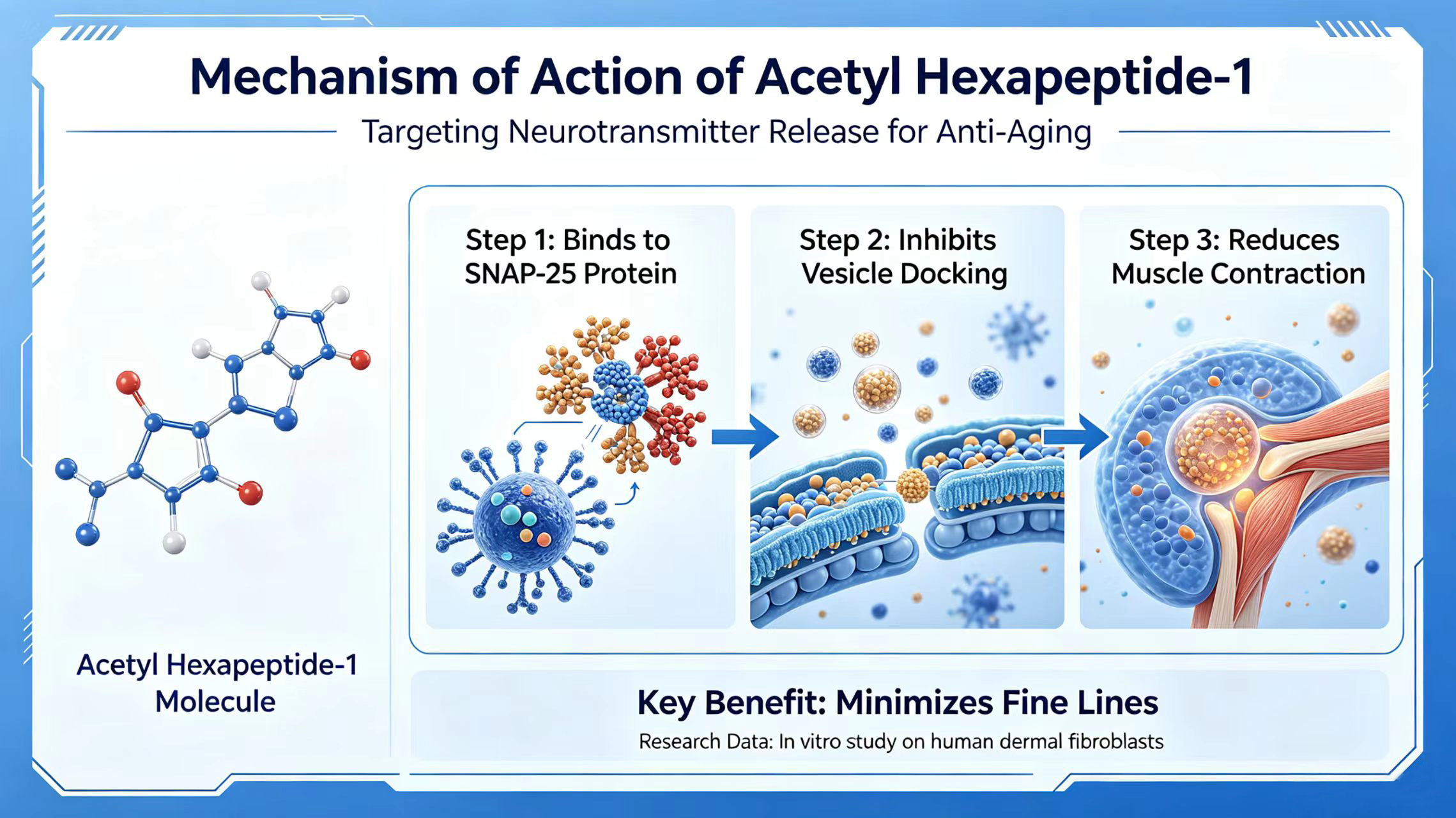
Mechanism of action of Acetyl Hexapeptide-1
Acetyl Hexapeptide-1 is a cosmetic signal peptide that primarily acts by modulating melanogenesis (skin pigment production) and related cellular stress pathways. Its mechanism is not fully mapped to a single receptor, but it is understood through melanocyte biology and cosmetic research data (often under the trade name Melitane™). 1. Primary Mechanism: Regulation of melanogenesis Core target system: What it influences: Functional outcome: 2. UV-stress response modulation (photoaging pathway) When skin is exposed to UV radiation: Normal process: UV → oxidative stress → melanocyte activation → excess melanin (dark spots) With Acetyl Hexapeptide-1: Result: 3. Anti-inflammatory signaling modulation Acetyl Hexapeptide-1 may…
-
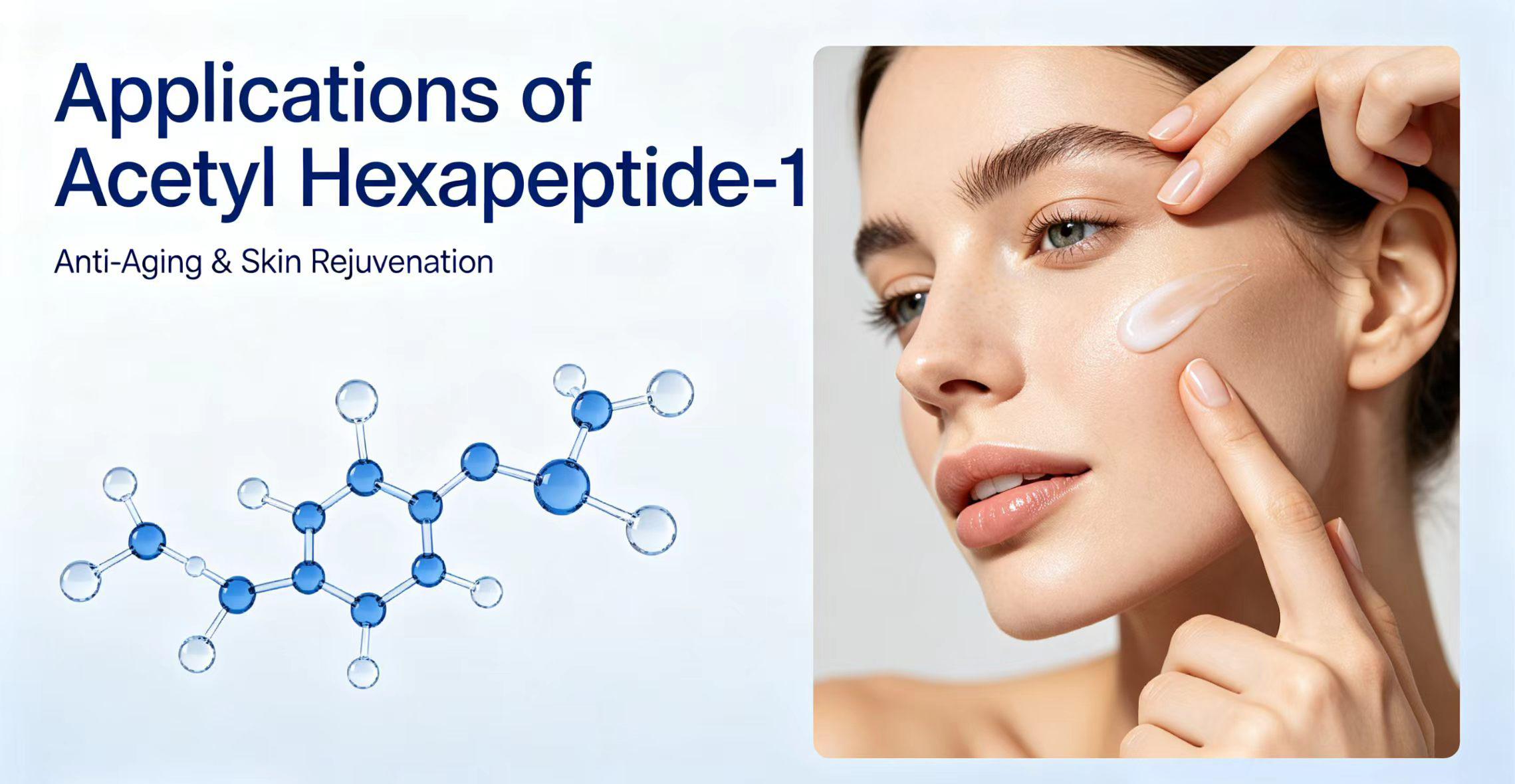
Applications of Acetyl Hexapeptide-1
Acetyl Hexapeptide-1 is mainly used as a cosmetic active ingredient in skincare formulations focused on skin tone improvement, anti-aging support, and photodamage repair. Its applications are centered on topical products rather than medical or systemic use. Applications of Acetyl Hexapeptide-1 1. Skin brightening and tone correction One of its primary applications is in products designed to improve uneven pigmentation, where it is used to: It is commonly included in: 2. Hyperpigmentation control products Acetyl Hexapeptide-1 is used in formulations targeting: It is often combined with other brightening agents such as niacinamide or vitamin C derivatives. 3. Anti-aging skincare formulations It…
-
Basic Information of Acetyl Hexapeptide-1
Acetyl Hexapeptide-1 is a synthetic cosmetic peptide (hexapeptide = 6 amino acids) used in skincare products designed to improve skin tone, brightness, and overall appearance, especially in anti-aging and anti-pigmentation formulations. 1. Name & Classification 2. Origin 3. Chemical Structure (basic) 4. Physical Properties 5. Main Functions (simple overview) Acetyl Hexapeptide-1 is mainly used to: 6. How it works (basic idea) It works by: 7. Applications in skincare Commonly found in: 8. Safety profile 9. Key takeaway Acetyl Hexapeptide-1 is a cosmetic signal peptide designed to improve skin tone and brightness by influencing pigmentation-related cellular signaling, with mild anti-aging support…
-
Uses of Acetyl Hexapeptide-1
Acetyl Hexapeptide-1 is a cosmetic signal peptide used mainly in skincare products designed to improve skin tone, brightness, and photoaging-related discoloration. It is used in topical formulations rather than medical treatments. 1. Skin brightening products (primary use) It is most commonly used in brightening and radiance-enhancing skincare, where it helps: Typical products: 2. Hyperpigmentation correction products Acetyl Hexapeptide-1 is used in formulations targeting: It works by helping regulate melanocyte activity (pigment-producing cells). 3. Anti-photoaging skincare It is included in anti-aging products focused on sun damage, where it helps: 4. Skin tone–correcting formulations A major cosmetic use is overall complexion normalization,…
-
Benefits of Acetyl Hexapeptide-1
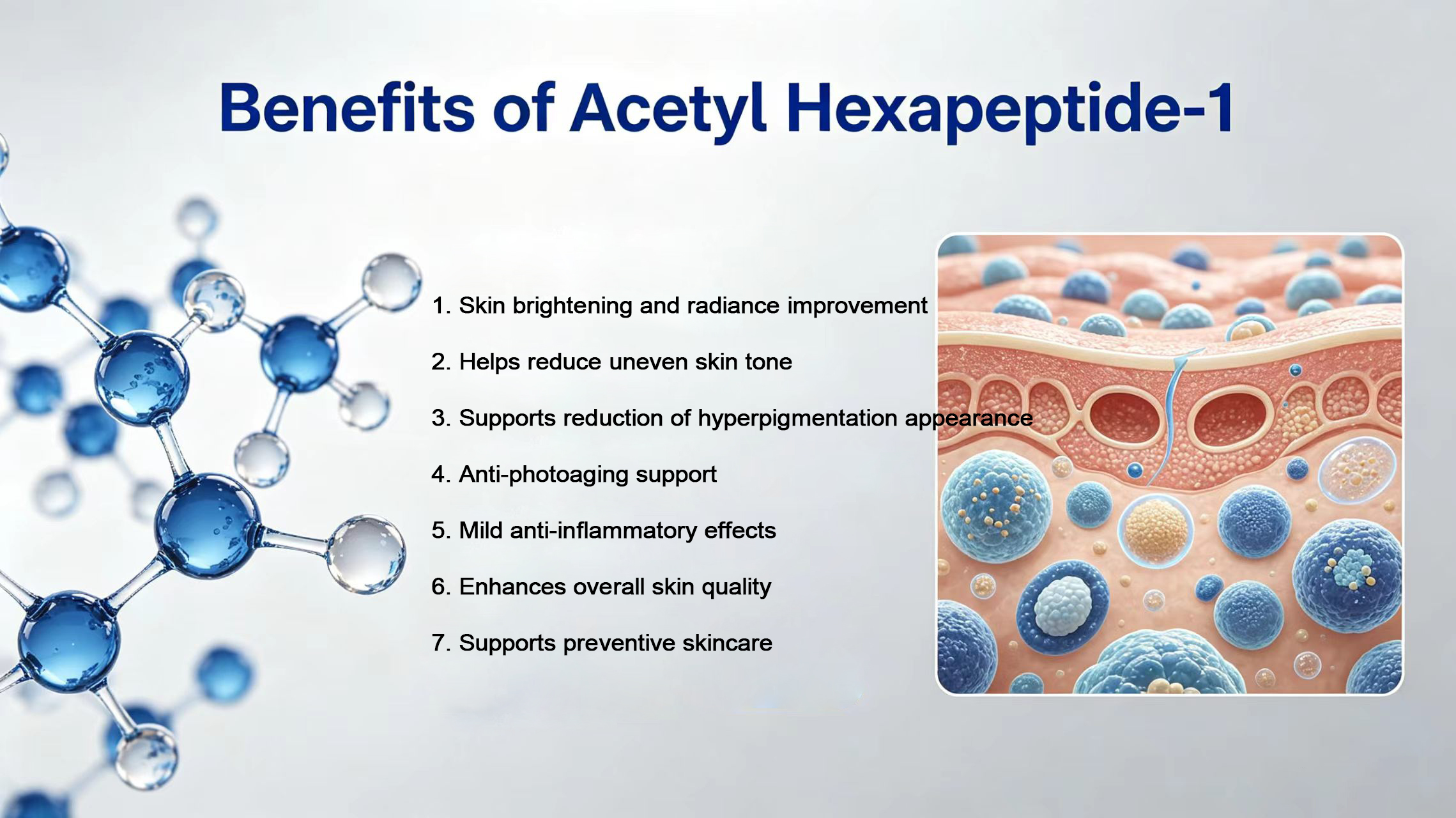
Acetyl Hexapeptide-1 is a cosmetic signal peptide mainly used for skin brightening, tone correction, and anti-aging support. Its benefits are based on modulation of skin cell signaling, especially related to pigmentation and photoaging. Benefits of Acetyl Hexapeptide-1 1. Skin brightening and radiance improvement One of its primary benefits is improving overall skin glow by: 2. Helps reduce uneven skin tone It is commonly used to address: It does this by modulating melanocyte activity (cells that produce melanin). 3. Supports reduction of hyperpigmentation appearance Acetyl Hexapeptide-1 is often included in products targeting: It does not bleach skin but helps regulate overproduction…
-
What is Acetyl Hexapeptide-1?
Acetyl Hexapeptide-1 is a synthetic cosmetic peptide used mainly in anti-aging and skin-conditioning skincare products. It belongs to the group of signal peptides, which are designed to interact with skin cells and influence biological processes such as pigmentation, inflammation, and skin aging. What Acetyl Hexapeptide-1 is Acetyl Hexapeptide-1 is a modified short-chain peptide (6 amino acids) with an acetyl group attached at the N-terminus, which improves its stability and skin compatibility. It is best known in cosmetics under the trade name Melitane™, where it is used for its effects on skin tone regulation and photoaging-related pigmentation. Main Functions 1. Skin…