
Acetyl Hexapeptide-8 is a synthetic cosmetic peptide widely used in skincare and commonly known as Argireline.
It is a short-chain peptide (6 amino acids) designed for topical anti-aging use, especially to reduce the appearance of expression lines caused by repeated facial movements.
What it is (simple definition)
Acetyl Hexapeptide-8 is a neurocosmetic peptide that helps soften the look of wrinkles by influencing skin surface-level neurotransmitter signaling involved in muscle contraction.
It is often described as a “Botox-like” cosmetic ingredient, but it is:
- Not injectable
- Not a toxin
- Much milder in effect
Key characteristics
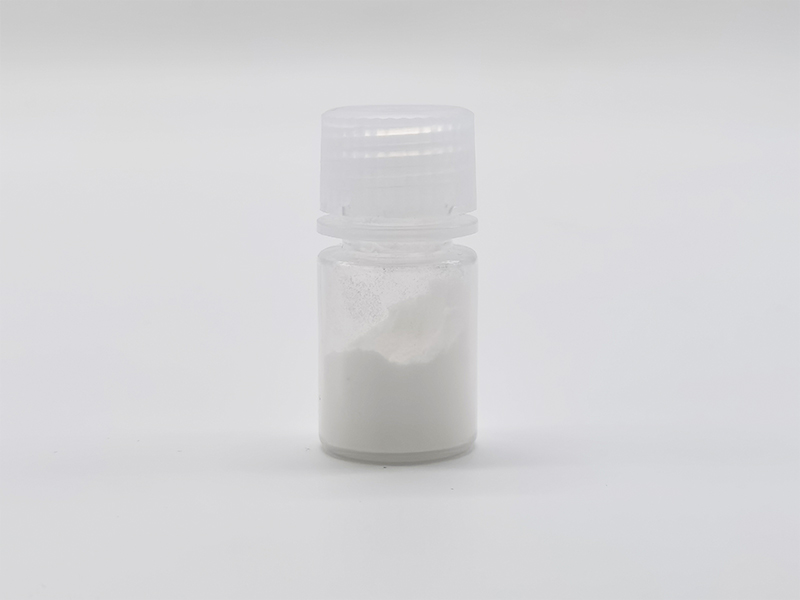
- Type: Synthetic hexapeptide
- Common name: Argireline
- Use: Topical skincare ingredient
- Form: Serums, creams, eye products
- Molecular weight: ~800–900 Da (approx.)
- Solubility: Water-soluble
Main function
Acetyl Hexapeptide-8 works mainly by:
- Modulating signals involved in facial muscle contraction at the skin level
- Reducing repeated micro-tension that contributes to expression lines
What it is used for
It is mainly used in cosmetic products to:
- Reduce appearance of crow’s feet
- Soften forehead lines
- Improve smile-line wrinkles
- Prevent formation of early expression wrinkles
Key idea
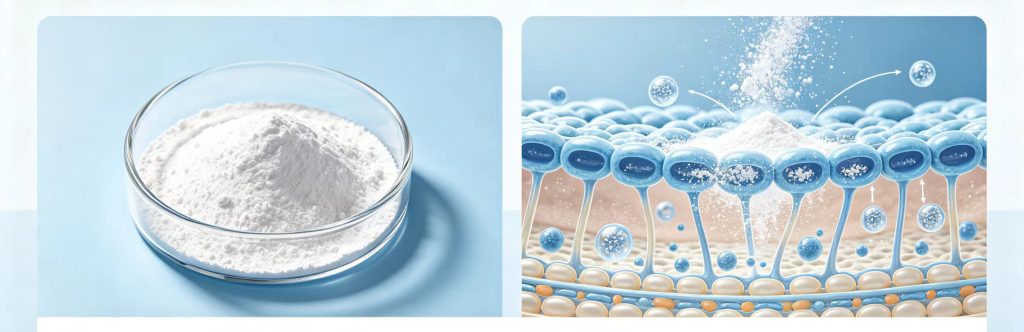
It does not “erase wrinkles instantly”, but instead:
- Helps reduce the depth and visibility of expression lines over time
- Works gradually with consistent topical use
Bottom line
Acetyl Hexapeptide-8 (Argireline) is a cosmetic anti-aging peptide designed to reduce the appearance of expression wrinkles by influencing superficial muscle-related signaling in the skin, offering a mild, non-invasive alternative approach to wrinkle smoothing in skincare.