

News
Home > News
-
Comprehensive Study of Acetyl Octapeptide-3
Acetyl Octapeptide-3, commonly known as SNAP-8, is a synthetic cosmetic peptide developed for use in anti-aging skincare formulations. It is designed to reduce the appearance of expression lines and dynamic wrinkles caused by repeated facial muscle movements. It belongs to a class of neuromodulating cosmetic peptides, which aim to mimic, in a very mild and topical way, the wrinkle-reducing effects of botulinum toxin (Botox)—without injections or nerve paralysis. Acetyl Octapeptide-3 is widely used in cosmeceutical products, especially serums and eye creams, but it is not a drug and has no systemic medical approval. 1. Origin and Development Scientific inspiration The…
-
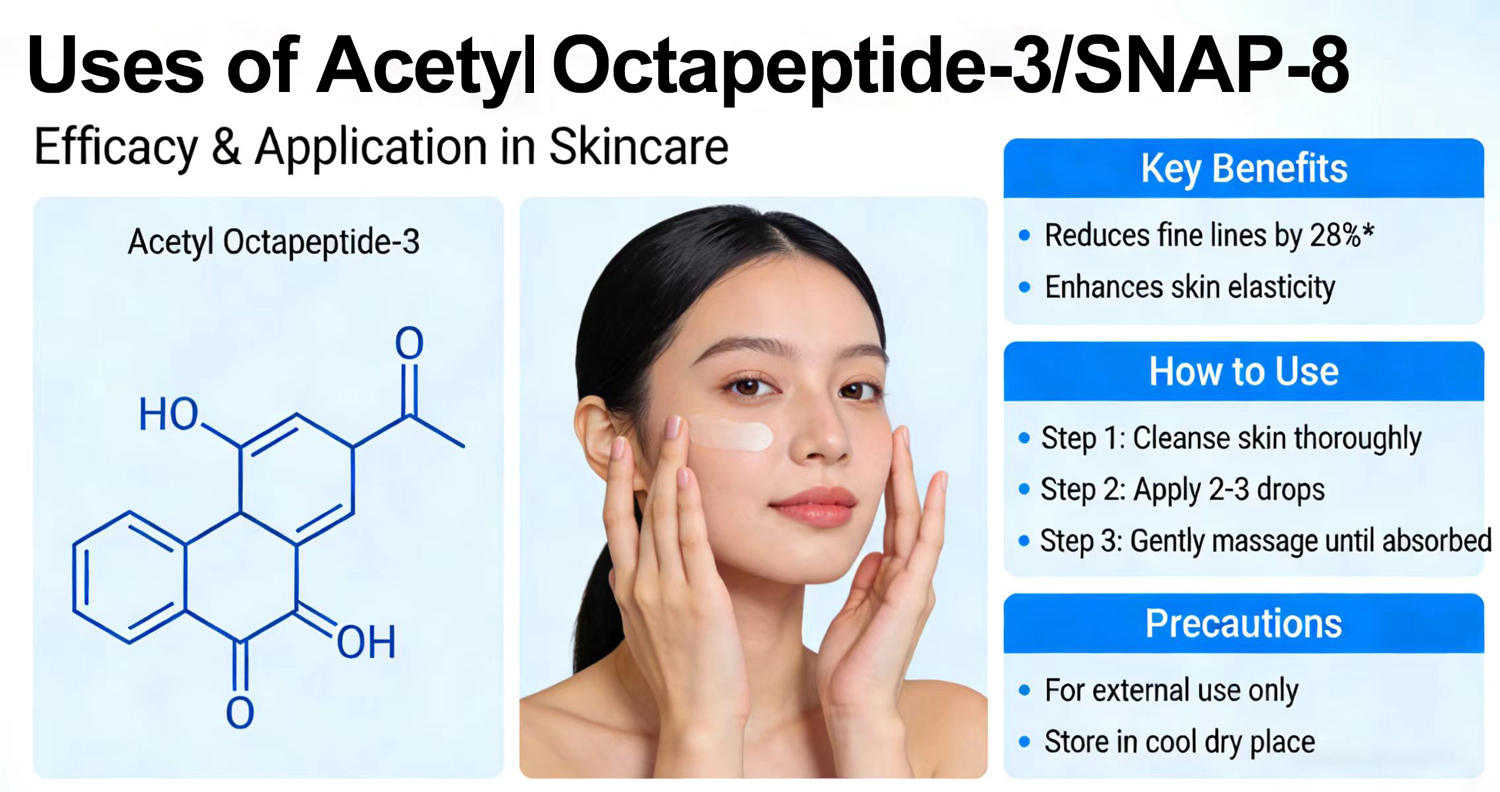
Uses of Acetyl Octapeptide-3
Acetyl Octapeptide-3 (often referred to as SNAP-8) is used primarily as a cosmetic anti-aging active ingredient in skincare formulations. Its main purpose is to reduce the visible effects of facial expression lines through a mild neuromodulating effect. 1. Anti-wrinkle skincare use The most important use is in anti-aging products, where it helps reduce the appearance of: It is mainly used for dynamic wrinkles (caused by muscle movement), not deep structural aging. 2. “Botox-like” cosmetic effect (topical use) It is widely used in non-invasive wrinkle-relaxing skincare: 3. Eye care formulations Commonly included in: Purpose: 4. Preventive anti-aging products Used in skincare…
-
What is Acetyl Octapeptide-3?
Acetyl Octapeptide-3 (often known as SNAP-8) is a synthetic cosmetic peptide designed to reduce the appearance of expression lines (especially forehead wrinkles and crow’s feet) by targeting the same pathway involved in facial muscle contraction that leads to wrinkle formation. Basic overview Acetyl Octapeptide-3 is an octapeptide (8 amino acids) that is structurally related to Acetyl Hexapeptide-8 (Argireline), but slightly longer and considered by some formulators to have enhanced activity in topical anti-wrinkle products. It is used primarily in: Mechanism of action Acetyl Octapeptide-3 works by modulating neurotransmitter release at the neuromuscular junction, particularly by interfering with the SNARE complex,…
-
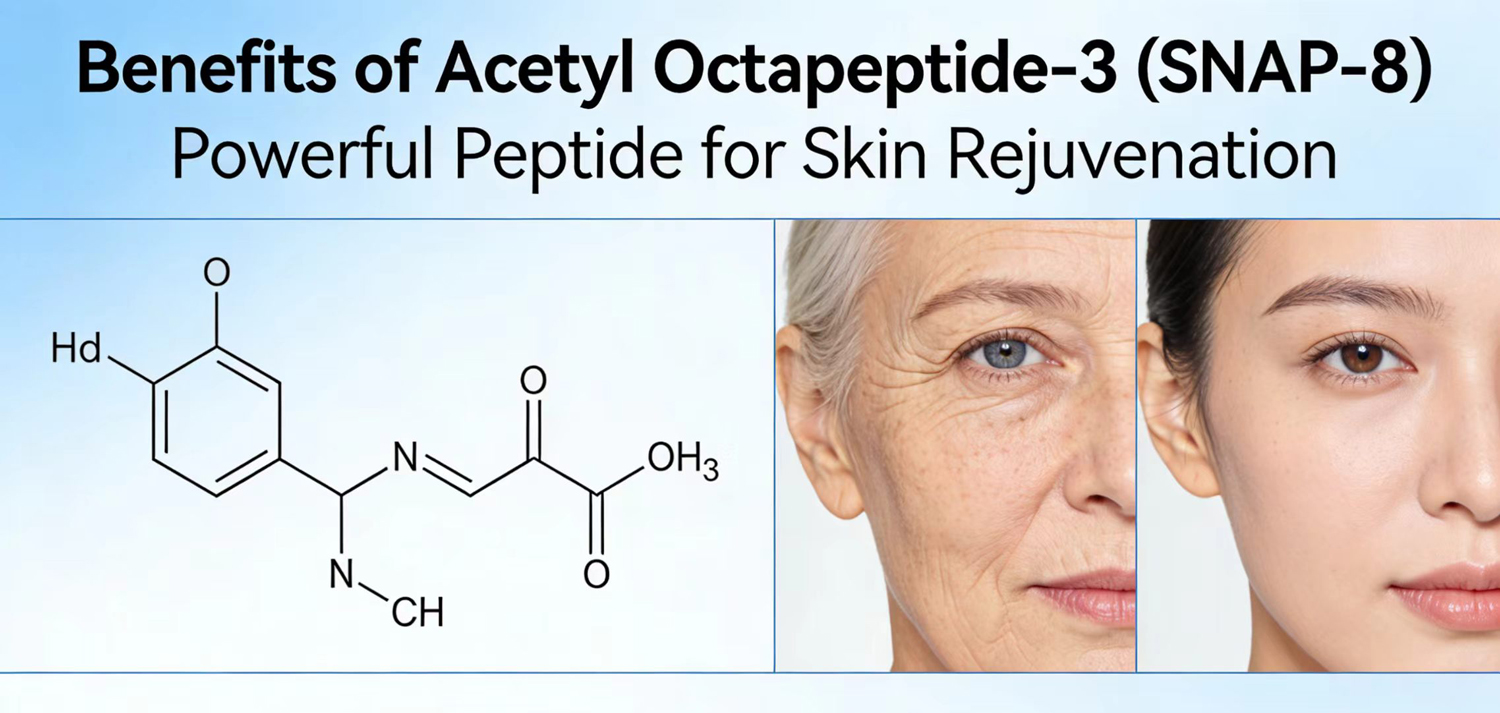
Benefits of Acetyl Octapeptide-3
Acetyl Octapeptide-3 (often associated with “Argireline-type” peptides) is used in skincare mainly for its anti-wrinkle, muscle-relaxing cosmetic effects. Its benefits are modest but useful in topical anti-aging formulations. Benefits of Acetyl Octapeptide-3 1. Reduces appearance of expression lines It helps soften dynamic wrinkles caused by repeated facial movements, such as: This happens through a mild reduction in neurotransmitter signaling involved in muscle contraction. 2. Creates a smoother skin appearance By slightly reducing micro-muscle contractions, it can make skin look: 3. Non-invasive “Botox-like” cosmetic effect It is often used as a topical alternative conceptually similar to Botox, but: This makes it…
-
Origin, Properties and Introduction of Acetyl Octapeptide-3
Acetyl Octapeptide-3 is a synthetic cosmetic peptide commonly used in anti-aging skincare. It is best known by its trade name Argireline (and is closely related to Acetyl Hexapeptide-8, or “SNAP-8”). Origin of Acetyl Octapeptide-3 It was created as part of the cosmetic industry’s effort to develop topical peptide-based wrinkle relaxers that mimic, in a weaker form, the mechanism of botulinum toxin. Introduction of Acetyl Octapeptide-3 Acetyl Octapeptide-3 is a synthetic cosmetic peptide used in anti-aging skincare products. It is designed to reduce the appearance of expression lines and dynamic wrinkles by modulating neurotransmitter-related signaling in the skin. It is part of a…
-
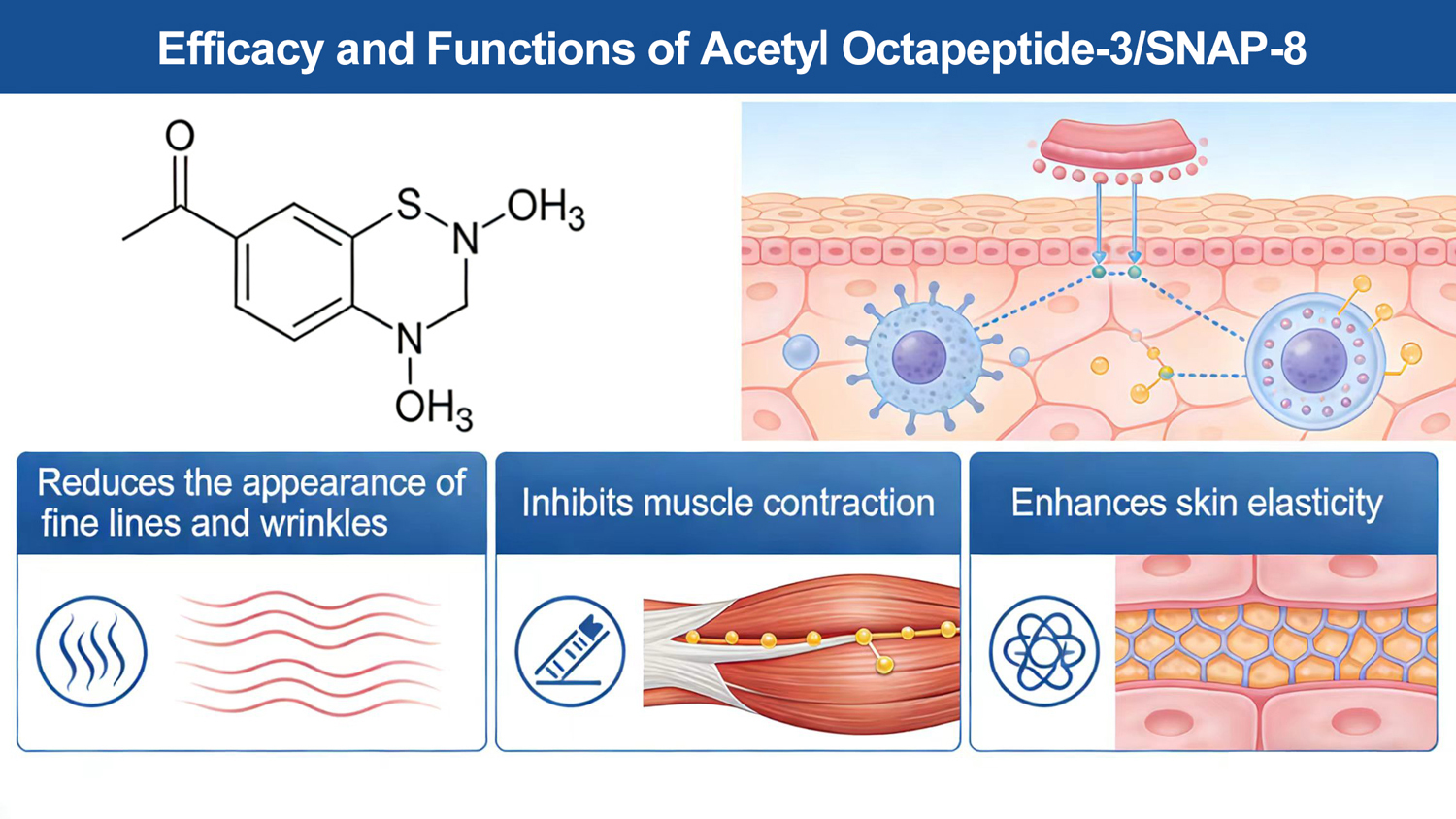
Efficacy and Functions of Acetyl Octapeptide-3
Acetyl Octapeptide-3, commonly known as SNAP-8, is a synthetic octapeptide widely used in anti-aging skincare. It is an extended version of Acetyl Hexapeptide-8 (Argireline), designed to more effectively reduce the appearance of dynamic facial wrinkles by modulating neurotransmitter release involved in muscle contraction. Although it is often referred to as a “Botox-like peptide,” its effects are significantly milder and limited to topical cosmetic use. 1. Reduces Dynamic Wrinkles The primary function of Acetyl Octapeptide-3 is to reduce facial expression lines caused by repeated muscle movements. Mechanism Most Effective For It is less effective for static wrinkles caused by collagen loss…
-
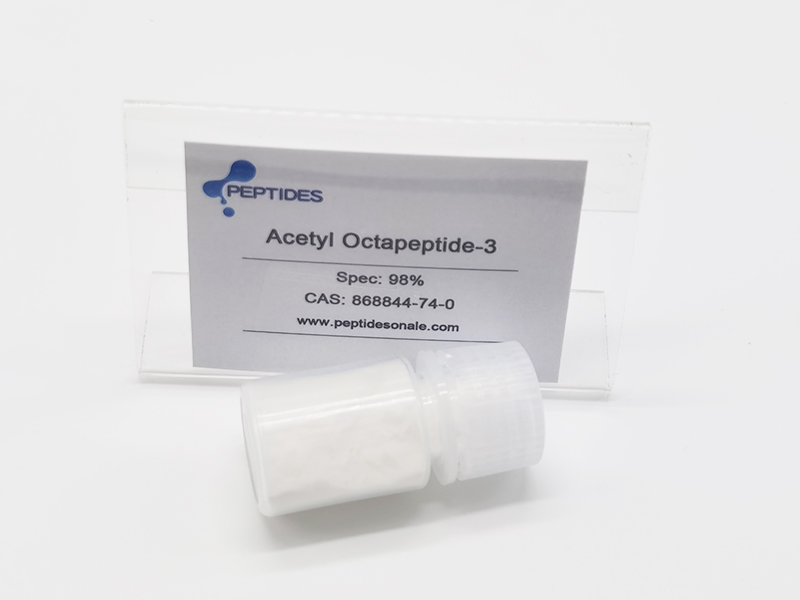
Basic Information of Acetyl Octapeptide-3
Acetyl Octapeptide-3 is a synthetic cosmetic peptide used in anti-aging skincare products to help reduce the appearance of expression lines and fine wrinkles. It is designed to provide a mild “muscle-relaxing” cosmetic effect on the skin surface. 1. Name and identity 2. Nature of the compound 3. Physical characteristics 4. Primary function 5. Main cosmetic uses 6. Key properties 7. Safety profile 8. Overall role in skincare Acetyl Octapeptide-3 is mainly used as a functional cosmetic active that helps smooth facial expression lines and improve skin appearance through a gentle neuromodulating effect. If you want, I can also summarize it…
-
Pros and Cons of Acetyl Hexapeptide-49
Acetyl Hexapeptide-49 is a synthetic cosmetic neurocosmetic peptide mainly used for skin calming, anti-irritation, and barrier support. Its strengths and weaknesses reflect its role as a supportive signaling peptide rather than a structural anti-aging active. ✅ Pros of Acetyl Hexapeptide-49 1. Strong anti-inflammatory potential (cosmetic-level) Benefit: calmer, less reactive skin 2. Excellent for sensitive or reactive skin Benefit: improved tolerance to skincare products (acids, retinoids, surfactants) 3. Neurocosmetic “soothing” effect Benefit: improved skin comfort and reduced “skin stress” response 4. Supports skin barrier recovery (indirectly) Benefit: faster normalization after stress (peels, exfoliation, environmental damage) 5. Good compatibility in formulations Can be…
-
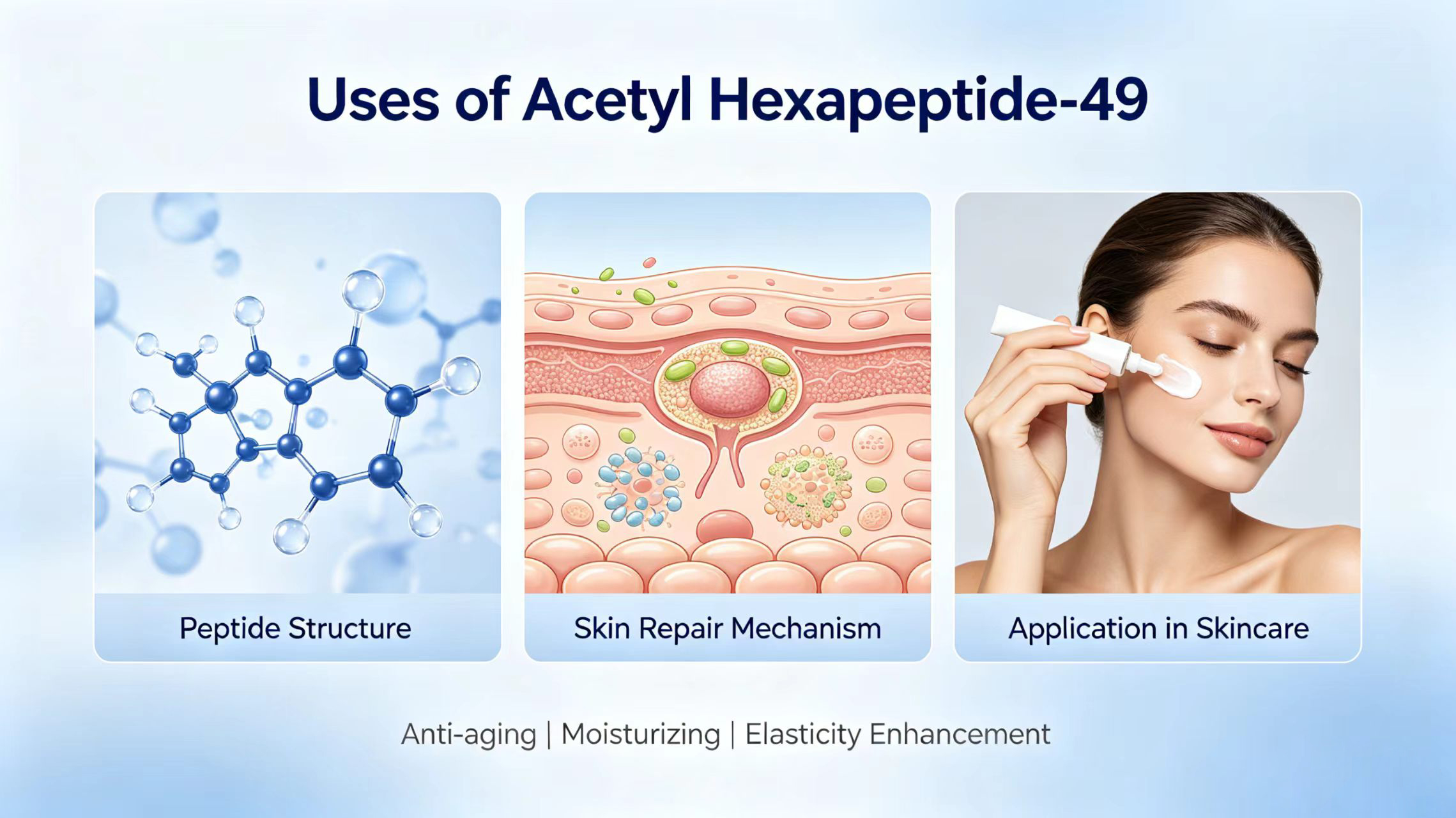
Uses of Acetyl Hexapeptide-49
Acetyl Hexapeptide-49 is primarily used as a cosmetic active ingredient in skincare products aimed at reducing skin irritation, strengthening the skin barrier, and improving tolerance to environmental or chemical stress. It is not a drug and is used only in topical formulations. 1. Sensitive skin care One of its main uses is in products formulated for reactive or easily irritated skin. It is included to help: Common in “sensitive skin” or “anti-irritation” creams and serums 2. Barrier repair formulations Acetyl Hexapeptide-49 is used to support the skin’s protective barrier function. It helps: Often combined with ceramides, niacinamide, or fatty acids…
-
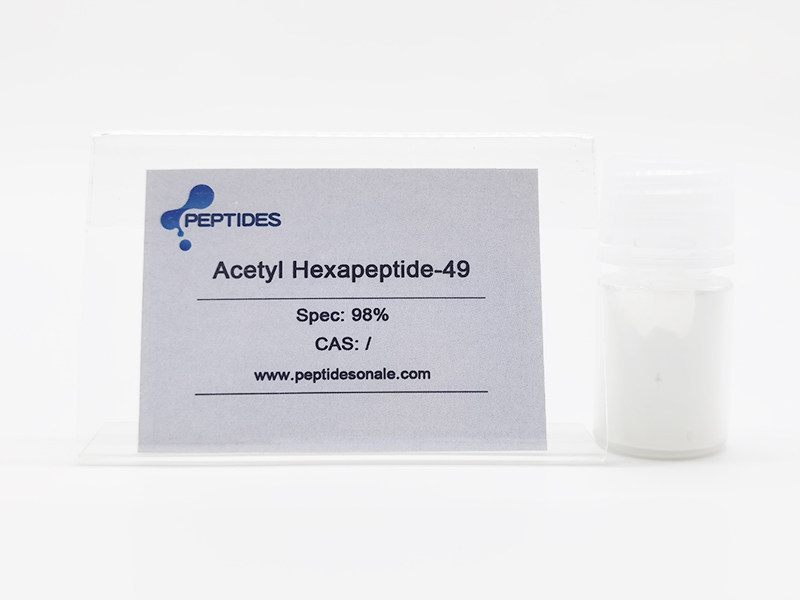
Origin, Nature and Introduction of Acetyl Hexapeptide-49
Acetyl Hexapeptide-49 is a synthetic cosmetic peptide developed within modern bioactive skincare research focused on skin sensitivity, inflammation control, and barrier repair. Origin Acetyl Hexapeptide-49 does not come from natural plant or animal extraction. It is: Its amino acid sequence is typically reported as: Ac-Phe-Phe-Trp-Phe-His-Val It emerged from cosmetic peptide research programs exploring neurocosmetic and anti-inflammatory skin actives, particularly those targeting sensitive skin pathways. Nature (What kind of ingredient it is) Acetyl Hexapeptide-49 belongs to the category of: Its key biological target is the PAR-2 (Proteinase-Activated Receptor-2) pathway in the skin. This receptor is involved in: So, rather than acting…
-
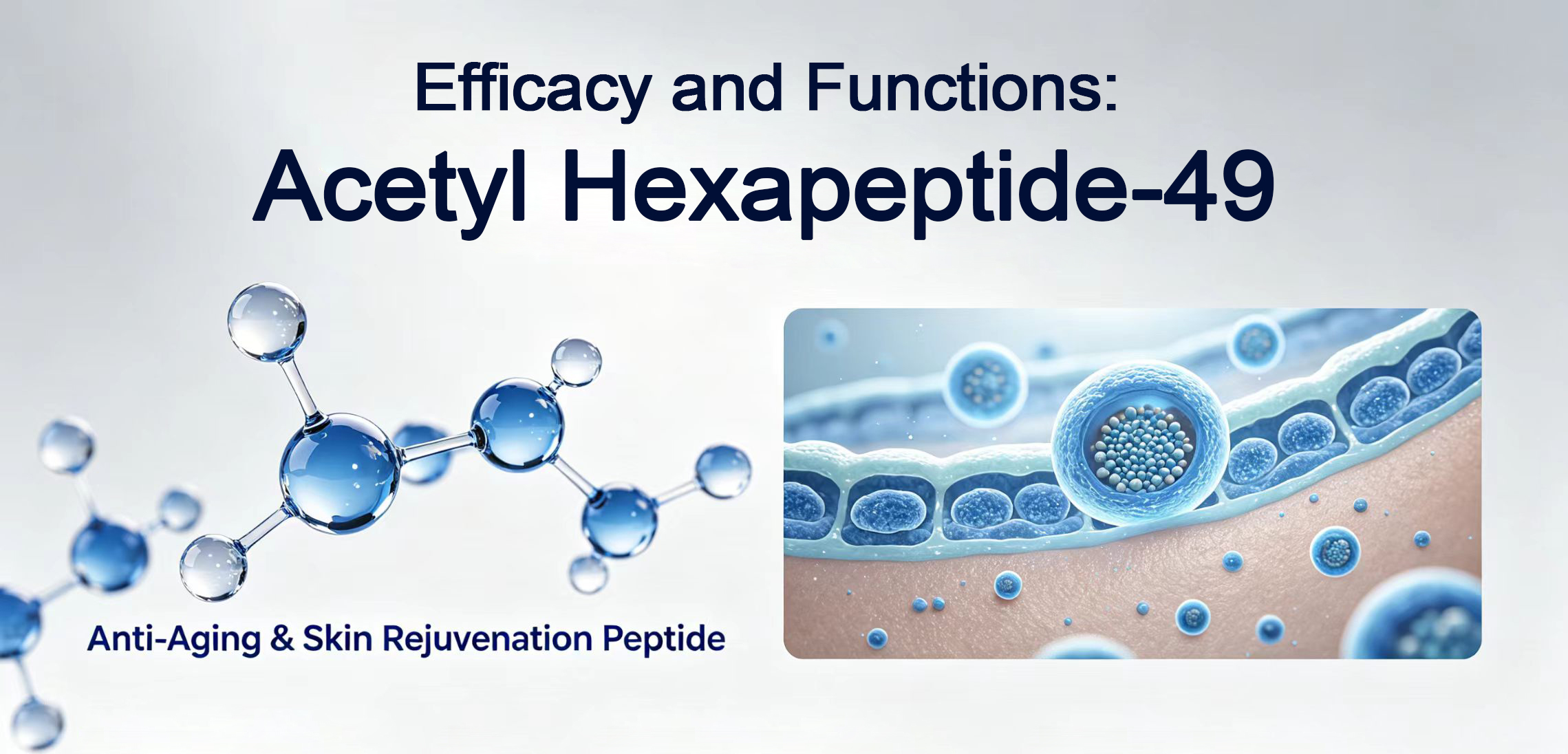
Efficacy and Functions of Acetyl Hexapeptide-49
Acetyl Hexapeptide-49 is a cosmetic neurocosmetic / anti-inflammatory peptide designed mainly for sensitive, reactive, and barrier-impaired skin. Its efficacy is best understood as moderate, supportive, and biologically targeted at irritation pathways, rather than dramatic structural skin remodeling. 1. Functions of Acetyl Hexapeptide-49 1.1 Anti-inflammatory function The primary function of Acetyl Hexapeptide-49 is to reduce skin inflammatory signaling. It is proposed to: Functional outcome: 1.2 Anti-sensitivity / neuro-soothing function It targets pathways linked to skin nerve response and discomfort: Functional outcome: 1.3 Skin barrier support function It indirectly supports barrier integrity by: Functional outcome: 1.4 Skin “resilience” function (cosmetic effect) Rather than…
-
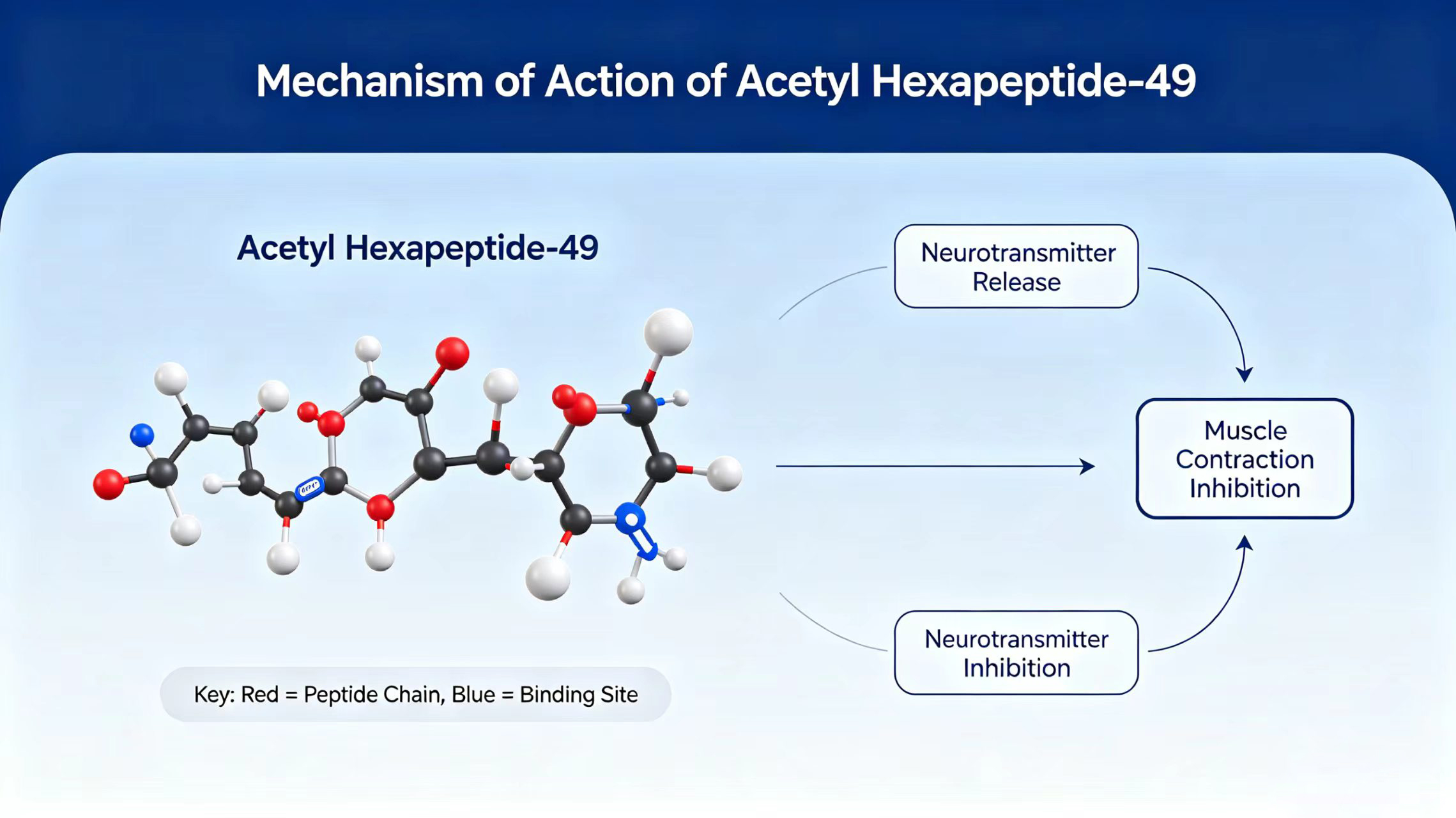
Mechanism of action of Acetyl Hexapeptide-49
Acetyl Hexapeptide-49 is a cosmetic signaling peptide designed primarily for skin barrier repair and anti-inflammatory modulation, rather than neuromuscular “wrinkle freezing” (like Acetyl Hexapeptide-8). Because it is a relatively new proprietary peptide with limited independent pharmacological literature, its mechanism is described mainly from in vitro data and supplier/ingredient dossier models rather than large clinical trials. Still, the proposed mechanism can be understood in a few key biological pathways: 1. Skin barrier reinforcement signaling Acetyl Hexapeptide-49 is thought to act on keratinocytes, stimulating pathways involved in: Result: strengthened stratum corneum and reduced transepidermal water loss (TEWL) 2. Activation of repair-associated growth…