
Acetyl Octapeptide-3 is a synthetic cosmetic peptide commonly used in anti-aging skincare. It is best known by its trade name Argireline (and is closely related to Acetyl Hexapeptide-8, or “SNAP-8”).
Origin of Acetyl Octapeptide-3
- Type: Synthetic peptide (laboratory-designed)
- Developed by: Cosmetic peptide research in the early 2000s (not naturally occurring in the body)
- Source of concept: Inspired by SNARE complex biology, which regulates neurotransmitter release at neuromuscular junctions
- Manufacturing method: Solid-phase peptide synthesis (SPPS), where amino acids are chemically assembled in sequence
It was created as part of the cosmetic industry’s effort to develop topical peptide-based wrinkle relaxers that mimic, in a weaker form, the mechanism of botulinum toxin.
Introduction of Acetyl Octapeptide-3
Acetyl Octapeptide-3 is a synthetic cosmetic peptide used in anti-aging skincare products. It is designed to reduce the appearance of expression lines and dynamic wrinkles by modulating neurotransmitter-related signaling in the skin.
It is part of a broader class of “neuromodulating peptides,” often marketed as non-invasive alternatives to Botox-like effects, though its action is much milder and limited to topical application.
It is sometimes grouped with or compared to Acetyl Hexapeptide-8 (Argireline), but it is a distinct octapeptide variant.
Chemical and Physical Properties of Acetyl Octapeptide-3
Chemical nature
- Structure: Short-chain peptide (8 amino acids)
- Modified form: “Acetylated” at the N-terminus, improving stability and skin compatibility
- Molecular type: Hydrophilic peptide (water-soluble)
Physical properties
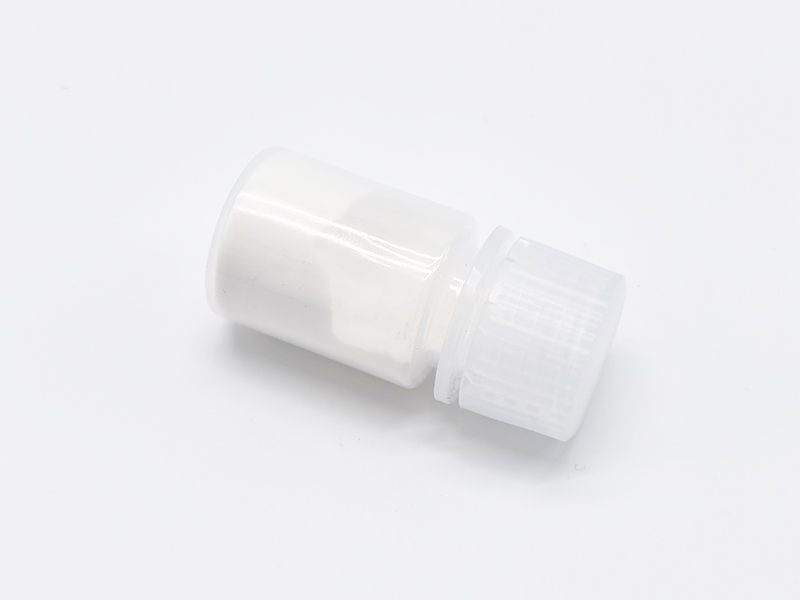
- Appearance: White to off-white powder (in raw ingredient form)
- Solubility: Soluble in water and aqueous cosmetic systems
- Stability: Moderate stability; sensitive to extreme pH and high temperatures
- Storage: Typically stored in cool, dry conditions away from light and moisture
4. Functional properties (cosmetic behavior)
Although not a true drug, it exhibits several functional properties in skincare:
a. Neuromodulating activity (topical level)
- Targets proteins involved in neurotransmitter release (SNARE-related pathway)
- Helps reduce micro-signals that trigger facial muscle contractions
b. Anti-expression line activity
- Reduces the appearance of wrinkles caused by repeated facial movement
- Most noticeable in thin, dynamic areas like around the eyes and forehead
c. Skin-smoothing effect
- Creates a temporarily more relaxed skin appearance
- Enhances perceived skin softness and evenness
5. Formulation-related properties
Compatible with water-based serums, gels, and emulsions
Works well with:
- Hyaluronic acid (hydration support)
- Niacinamide (barrier and tone support)
- Other peptides (synergistic anti-aging systems)
Typically used at low concentrations in finished products (cosmetic-grade levels)
6. Key characteristics summary
- Synthetic octapeptide designed for cosmetic use
- Acts as a mild neuromodulating agent at skin level
- Water-soluble and relatively stable in cosmetic formulations
- Primarily used for expression-line reduction and anti-aging skincare
If you want, I can also map out its exact mechanism on SNARE proteins step-by-step, or compare it scientifically with botulinum toxin and Acetyl Hexapeptide-8 (Argireline vs SNAP-8).