
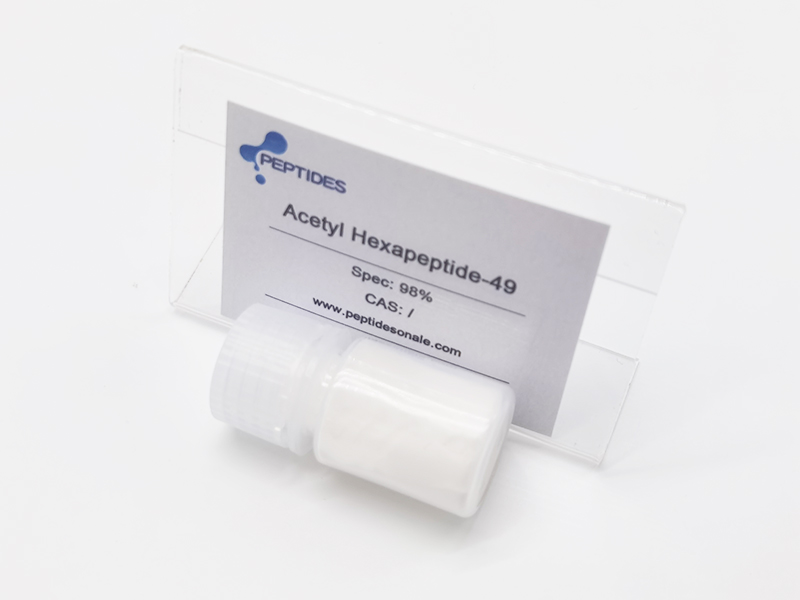
Acetyl Hexapeptide-49 is a synthetic cosmetic peptide used primarily in skin care formulations for its potential effects on skin barrier function, hydration, and inflammation modulation.
Basic identity
- Type: Acetylated hexapeptide (6–amino-acid peptide)
- Category: Cosmetic active ingredient (not a drug)
- Primary use: Skin care (anti-aging, barrier repair, soothing formulations)
What it is designed to do
Acetyl Hexapeptide-49 is typically developed as a biomimetic signaling peptide, meaning it is intended to interact with skin cell signaling pathways rather than act as a structural ingredient.
In cosmetic research and formulation claims, it is associated with:
- Strengthening the skin barrier
- Improving hydration retention
- Reducing irritation / calming stressed skin
- Supporting skin recovery after damage (e.g., dryness, environmental stress)
Proposed mechanism (conceptual)
While exact proprietary data may vary by supplier, peptides in this class generally work by:
- Modulating keratinocyte activity (skin surface cells)
- Supporting tight junction / barrier protein expression
- Influencing inflammatory signaling pathways
- Enhancing production of lipids and moisturizing factors
Comparison with other peptides
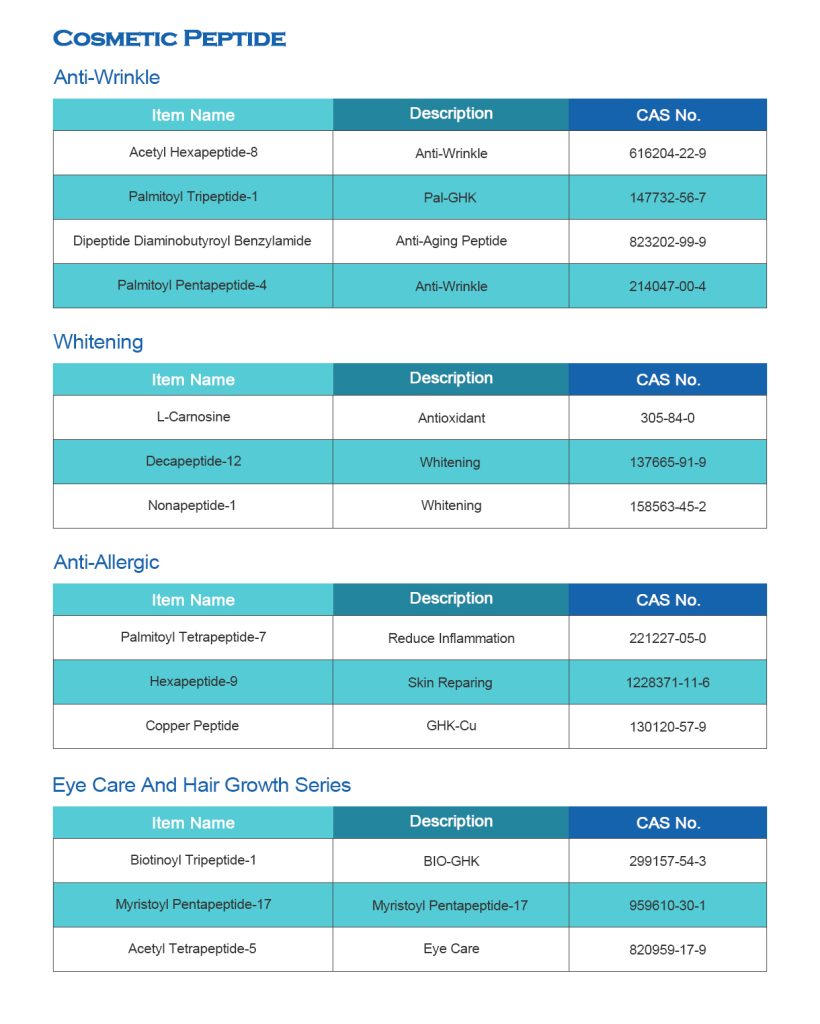
- Unlike Acetyl Hexapeptide-8 (Argireline) → mainly targets expression lines via neurotransmitter-related signaling
- Acetyl Hexapeptide-49 → more barrier/soothing focused rather than wrinkle muscle relaxation
- More similar in intent to repair peptides like palmitoyl or biomimetic “skin defense” peptides
Evidence level
- Mostly in vitro (lab cell studies) and cosmetic formulation data
- Limited independent clinical trials in peer-reviewed literature
- Effects are generally considered cosmetic-supportive rather than medical
Safety profile
- Generally regarded as low irritation risk
- Used in leave-on skincare products (creams, serums)
- No known systemic pharmacological effects at cosmetic concentrations
If you want, I can compare it directly with peptides like Acetyl Hexapeptide-8, Acetyl Decapeptide-3, or GHK-Cu, since those are often used in similar anti-aging formulations.