

Acetyl Hexapeptide-1 is a synthetic cosmetic signal peptide best known for its role in skin pigmentation regulation, photoaging mitigation, and skin tone improvement. It is widely used in skincare formulations under trade names such as Melitane™, typically in brightening and anti-aging products.
Unlike drug molecules, it functions through topical cell-signaling modulation rather than direct pharmacological receptor activation.
1. Chemical and Structural Overview
1.1 Basic identity
- Type: Synthetic hexapeptide (6 amino acids)
- Modification: N-terminal acetylation
- Molecular weight: ~700–900 Da (sequence-dependent)
- Structure: Linear peptide (no cyclization, no disulfide bonds)
1.2 Key structural implications
- Small molecular size → allows limited skin interaction
- Acetylation → improves stability and resistance to enzymatic breakdown
- Hydrophilic nature → requires aqueous-based formulations
2. Physicochemical Properties
Appearance
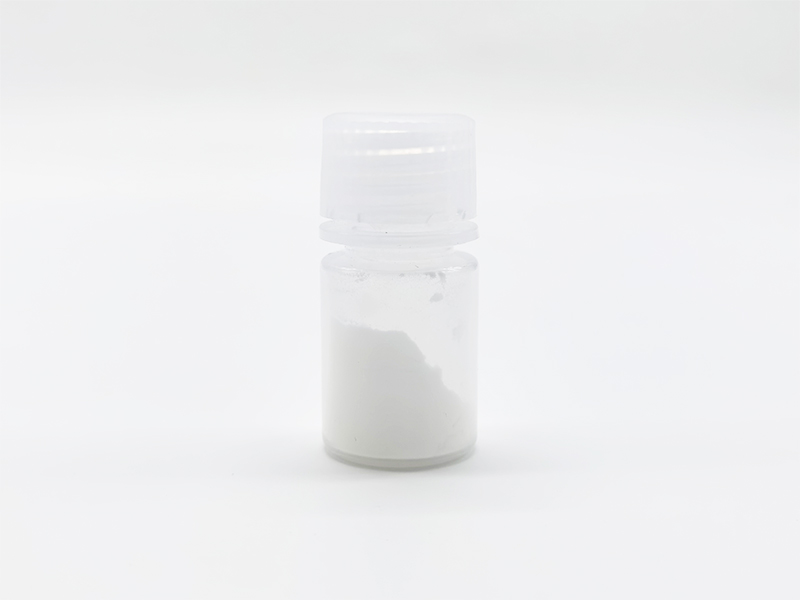
- White to off-white powder (pure form)
Solubility
- Highly soluble in water
- Poor solubility in oils or hydrophobic systems
Stability profile
Moderately stable under cosmetic conditions
Degrades under:
- High heat
- Extreme pH
- Enzymatic activity (skin proteases)
Storage
- Typically stored in cool, dry conditions (often refrigerated in bulk)
3. Biological Mechanism of Action
The exact receptor targets are not fully defined, but its mechanism is understood through cosmetic and cellular studies.
3.1 Melanogenesis modulation (core mechanism)
The primary mechanism is regulation of melanin production pathways:
Proposed actions:
- Modulates melanocyte signaling activity
- Influences pathways involved in tyrosinase regulation (key enzyme in melanin synthesis)
- Reduces overactivation of pigment production after UV exposure
Outcome:
- More even skin tone
- Reduction in hyperpigmentation visibility
3.2 Anti-inflammatory signaling modulation
It may reduce low-grade inflammatory signaling in skin:
- Downregulates UV-induced stress mediators
- Reduces oxidative stress signaling cascades
- Helps stabilize melanocyte activity
This indirectly reduces post-inflammatory pigmentation risk.
3.3 Photodamage response regulation
Acetyl Hexapeptide-1 is associated with improved skin response to UV stress:
- Reduces pigment overreaction after sun exposure
- Supports recovery of normal pigmentation balance
- Improves overall skin radiance after photodamage
3.4 Skin tone normalization pathway (functional model)
A simplified model of action:
- UV or inflammation triggers melanocyte activation
- Peptide interferes with overactive signaling cascades
- Melanin production becomes more regulated
- Skin tone gradually evens out
4. Evidence Base
4.1 In vitro evidence
- Demonstrates modulation of melanocyte activity
- Shows influence on pigment-related enzymatic pathways
- Supports antioxidant and stress-response effects
4.2 Cosmetic clinical studies
Limited but positive small-scale studies
Often conducted in formulation combinations (not standalone peptide testing)
Reported outcomes:
- Improved skin brightness
- Reduced visible pigmentation over 4–8 weeks
- Enhanced overall skin clarity
4.3 Evidence strength summary
| Category | Strength |
| Cellular studies | Moderate |
| Cosmetic trials | Moderate |
| Independent RCTs | Limited |
| Long-term data | Sparse |
5. Skin Penetration and Bioavailability
Molecular size allows limited epidermal penetration
Activity is mainly in:
- Stratum corneum
- Upper epidermis
Enhanced delivery required for optimal performance:
- Liposomes
- Nanoemulsions
- Encapsulation systems
Without delivery systems, effects are weaker and more superficial.
6. Cosmetic Applications
Acetyl Hexapeptide-1 is used in:
6.1 Brightening products
- Anti-dark spot serums
- Tone-correcting creams
- Radiance-enhancing formulations
6.2 Anti-aging skincare
- Products targeting photoaging
- Skin clarity and glow enhancement
6.3 Post-sun repair formulations
- After-sun recovery creams
- UV-damage repair serums
6.4 Eye-area products
- Dark tone correction
- Brightening under-eye creams
6.5 Multi-peptide blends
Commonly combined with:
- Niacinamide
- Vitamin C derivatives
- Signal peptides for collagen support

7. Safety Profile
- Generally considered safe for topical cosmetic use
- Low irritation potential
- Minimal sensitization risk reported
- No known systemic toxicity at cosmetic doses
However:
- Long-term independent safety studies are limited (typical for cosmetic peptides)
8. Limitations
- Exact receptor mechanism not fully mapped
- Often studied in combination formulas (hard to isolate effects)
- Clinical evidence is less robust than mainstream actives (retinoids, niacinamide)
- Delivery-dependent efficacy
9. Comparison Context
Compared to other peptides:
- More pigmentation-focused than Matrixyl (collagen-focused)
- Less neuromuscular than Argireline (wrinkle expression targeting)
- More tone-regulating than structural peptides like copper tripeptides
10. Conclusion
Acetyl Hexapeptide-1 is a cosmetic signal peptide primarily used for skin tone normalization and pigmentation control, with secondary benefits in anti-aging and photodamage support. Its mechanism is based on modulating melanocyte activity and inflammatory signaling, leading to more even and radiant skin over time.
Its effects are:
- Gradual
- Mild to moderate
- Highly dependent on formulation and delivery systems